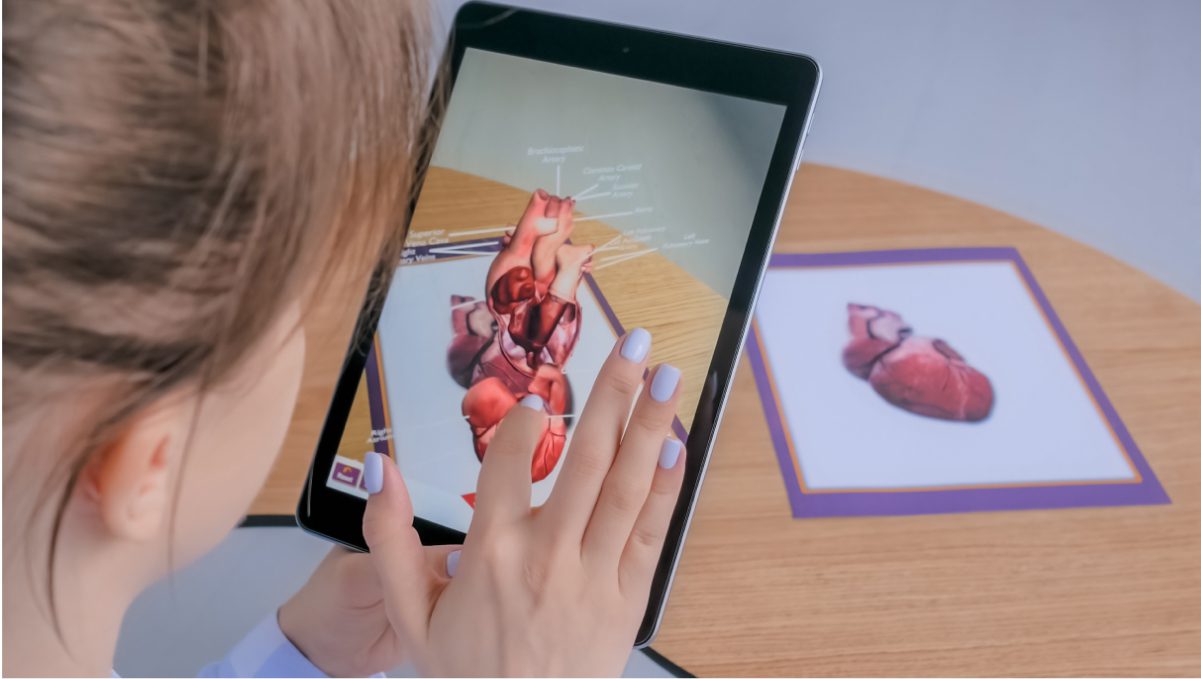
Begin the lesson by asking students what they know about the human body. Ask them to consider the questions below. If students are unsure of the answers, tell them they will learn about them during this lesson.
Show students segments from the program The Ultimate Guide: Human Body . The first segment "Human Body Works" illustrates the skeletal system, the relationship between bones and soft organs, and the relationship between bones and muscles.
Briefly discuss the video segment, highlighting connections among body systems. Point out that our muscles send signals to the brain, which then sends a message about how to move. The skeletal system protects key organs; the skull protects the brain, and the rib cage protects the heart.
Tell students that their task is to describe the connections among the body systems in several different situations. They may work individually or in pairs.
The situations are below. Share this hint: Consider how the skeletal, muscular, nervous, circulatory, and respiratory systems work together.
Direct students to classroom print resources and the following Web sites:
http://www.stcms.si.edu/hbs/hbs_student.htm
http://sln.fi.edu/biosci/systems/systems.html
http://yucky.kids.discovery.com/noflash/body/pg000126.html (focus is the digestive system)
http://www.worldinvisible.com/apologet/humbody/body.htm
http://web.jjay.cuny.edu/~acarpi/NSC/14-anatomy.htm
Give students time in class to work on the activity. Make sure they write how the body systems are connected in each situation. Students may include drawings showing these connections.
If time permits, ask students to share their ideas. How many body systems are involved in most of the activities? What does that tell students about the human body?
Conclude the lesson by reviewing students' ideas at the beginning of the lesson. What have they learned about the relationships among different systems in the body?
muscular system
Definition: The 600 muscles in the body, both voluntary and involuntary
Context: The heart muscle is unique in the human muscular system because it is made of smooth and skeletal muscle and is involuntary.
nervous system
Definition: The brain, spinal cord, and network of nerves that receive messages from inside and outside the body and transmits instructions about how to respond
Context: The nervous system is the control center of the body; it interprets the senses and enables you to respond.
respiratory system
Definition: The system that allows breathing; includes the nose, pharynx, trachea, and lungs
Context: The function of the respiratory system is breathing in oxygen from the air and expelling carbon dioxide
skeletal system
Definition: The bones (206 in an adult) that give the body support and protect vital organs.
Context: Without a skeletal system, the human body would be limp and floppy.
This lesson plan addresses the following national standard:
Science of Everyday Life Check out the science that's all around you!
Curiosity in the Classroom Satisfy your students' curiosity with lesson plans, quizzes and inspirational profiles of modern day visionaries.
Toyota Teen Driver Encourage your students to become safer behind the wheel with free classroom resources from Toyota.