It’s easy to assume that immersive learning experiences might be too complicated to set up for every student in the room. With so many diverse abilities, learning styles, and access needs, it can feel impossible to make sure everyone is included.
But that’s a myth worth busting. Differentiation and immersion can go hand in hand – when done well, they actually strengthen each other.
From something as simple as dimming the lights during a dramatic read-aloud to creating hands-on, real-world challenges, immersion is about purposeful moments that can be adapted for all learners.
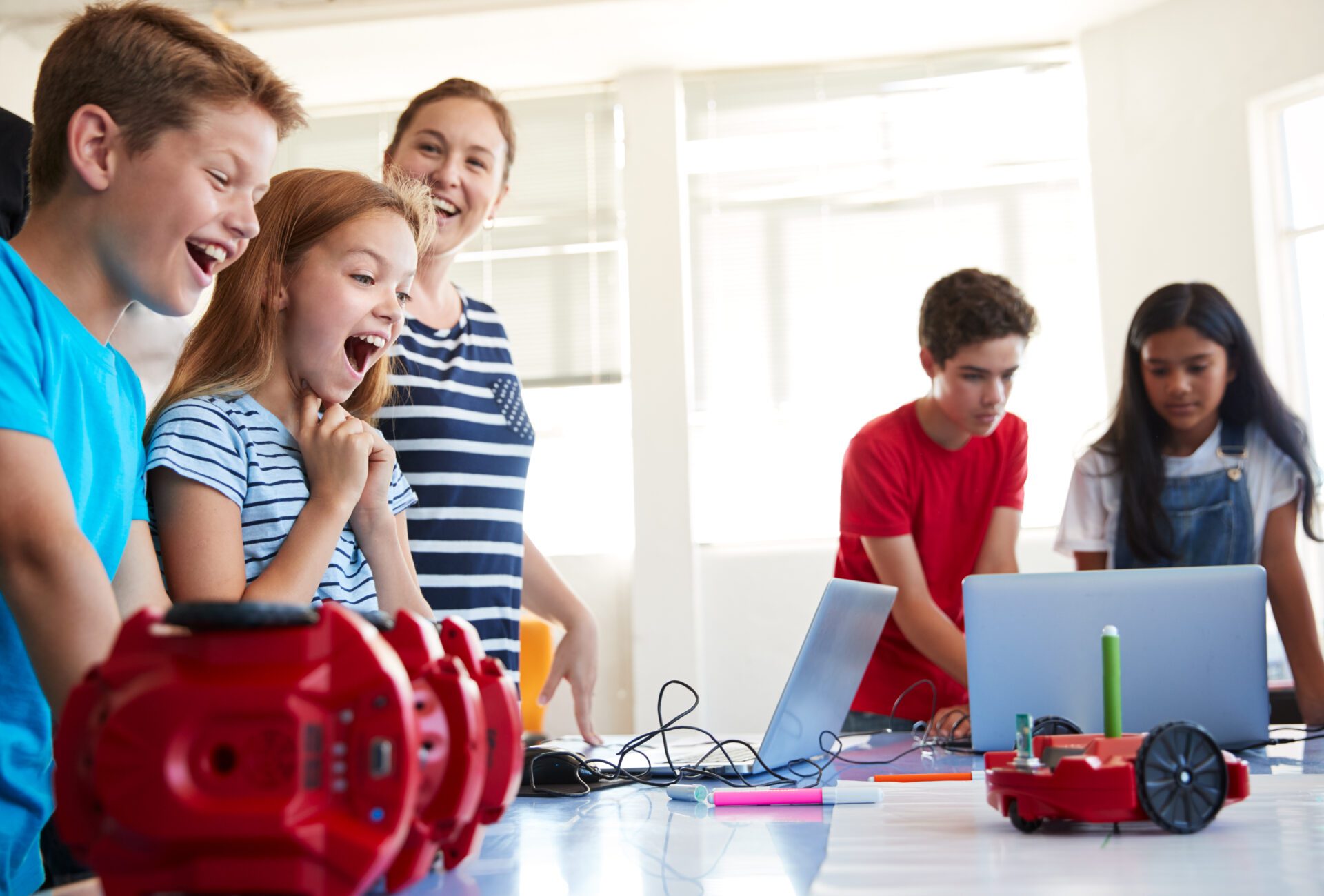
What Is Immersion, Really?
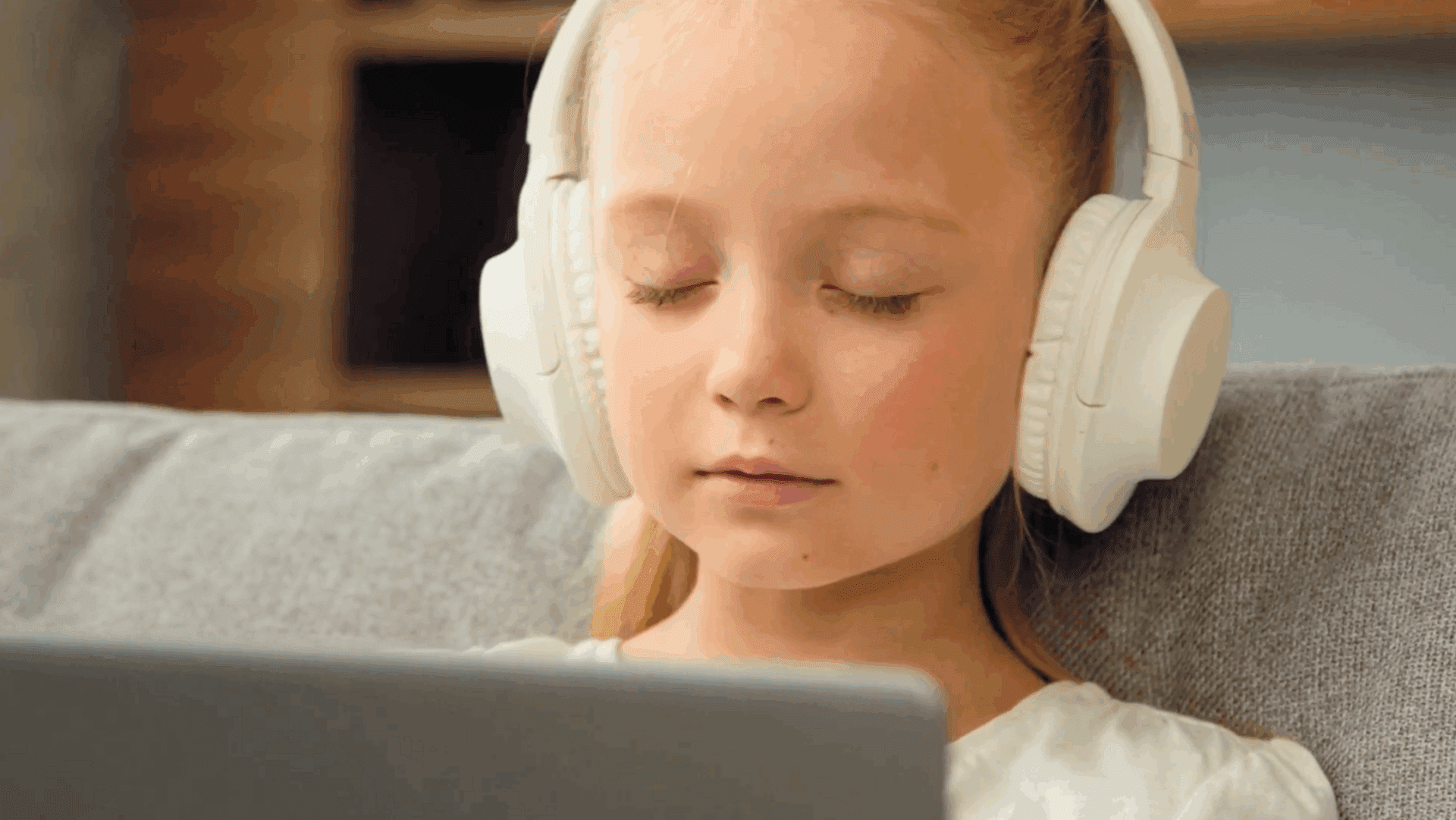
Immersion happens when students are fully engaged – cognitively, emotionally, and often physically – in a learning experience. You can achieve it through storytelling, sensory detail, interactivity, and opportunities for students to take ownership of their learning.
That could mean:
- Changing the environment – turning off the lights while reading a suspenseful story, or adding background sounds that fit the scene.
- Layering in interactivity – embedding questions or choices into a video so students influence the outcome.
- Creating experiential moments – allowing students to do instead of just read or watch.
Experiential Learning for All
Experiential learning is a powerful way to achieve immersion. It shifts the student from passive receiver to active participant. Examples include:
- Role-play real-world challenges – in a history lesson, students might represent different world leaders in a peace negotiation.
- Simulate workplace problem-solving – in a STEM class, have teams design, test, and refine a solution to a fictional environmental crisis.
- Field investigations without leaving the room – bring in artifacts, models, or even digital twins of real places so students can explore with hands-on curiosity.
The beauty of experiential learning is that it can be scaled to suit your class’s needs, resources, and learning goals. And with a little creativity, it can be differentiated so every learner finds a way to engage.

Making Immersion Accessible to Everyone
Every classroom has a mix of learning styles, abilities, and preferences. Immersive learning has the power to engage and inspire students who may never have actively participated in activities before. It’s not unheard of, for example, for a student with selective mutism to speak for the first time when role‑playing inside a Sandbox environment – such is the power of an immersive moment.
[The student] never ever talks to adults in school, and yet she was prepared to stand in front of the green wall and record this interview with another pupil...really quite remarkable.
Sandbox Educator
While it’s important not to expect these milestone moments from every student, we can open unexpected doors to participation and connection. Here are some simple ways to differentiate immersive experiences so no student is left out:
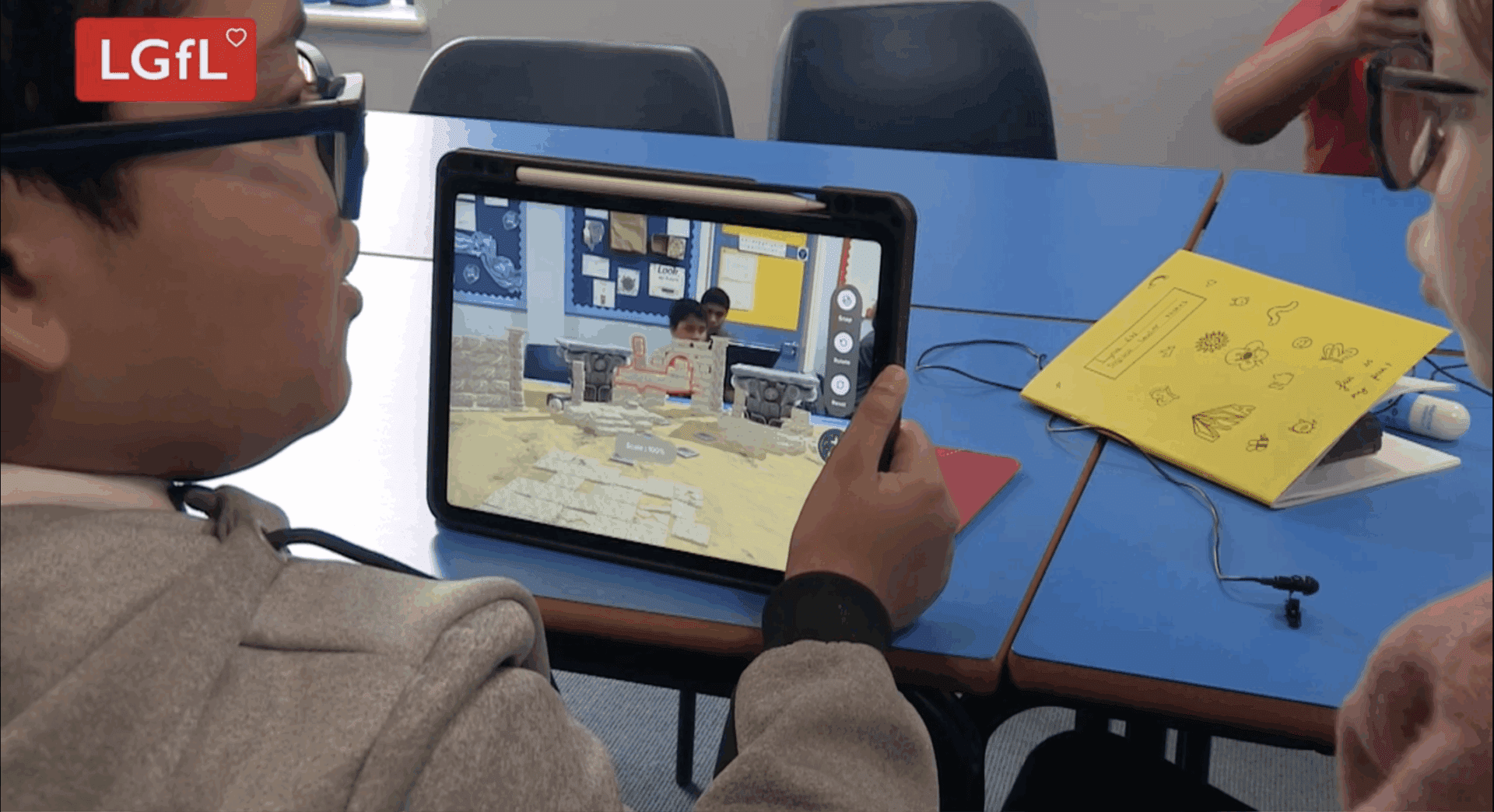
- Offer multiple entry points – Immersive experiences don’t have to rely on one sense or mode of interaction. They can be just audio – like layering in sound effects to mimic an environment – or completely silent for deaf students, such as displaying a 3D artifact in AR. They can involve standing up and moving around, or no movement at all.
- Allow choice in participation – Some students may prefer observing before jumping into role-play or movement-based activities. Give them alternative but equally valuable roles.
- Adapt the physical experience – For students who can’t move around the room, bring the activity to their desk or use “table scale” experiences such as Sandbox AR.
- Use layered complexity – Start with a simple version of the task, then add challenge layers for those who are ready.
- Blend tech and no-tech options – Remember, not all students can or want to use certain immersive technologies (due to motion sickness, visual impairments, or accessibility limitations).
When Immersive Tech Isn’t the Right Fit
While AR, VR, and other emerging tools can be amazing engagement boosters, they aren’t the only route to immersion – and sometimes, they’re not the right choice. School budgets, device availability, physical disabilities, and even something as simple as motion sickness can limit access.
That’s why the principle of “pedagogy first, technology second” is so important. The core goal should always be the learning outcome, not the novelty of the tech. If you can achieve immersion through storytelling, sensory changes, or physical activity, that’s just as valid (and sometimes more effective).
For strategies on building purposeful immersive lessons with or without tech, read “Pedagogy First, Technology Second: Playing with Purpose.”
The Power of Physical Immersion
For some learners, especially those with ADHD or who thrive on kinesthetic input, physical immersive activities can unlock focus and understanding in a way that static tasks can’t. This could be as simple as:
- Turning your room into a “museum” with stations students walk through.
- Acting out a science process like the water cycle.
- Using a scavenger hunt to review vocabulary or historical facts.
Research shows movement boosts engagement and retention, and immersive learning provides a perfect opportunity to incorporate it. For more on this, see “Get Students Moving – Why Physical Immersive Activities Boost Engagement and Learning.”
Bring Every Learner Into the Experience
Immersion is not about the flashiest tools. It’s about crafting experiences that feel real, relevant, and reachable for every learner in your class. By blending low-tech sensory shifts, experiential learning, differentiated entry points, and thoughtful integration of technology when appropriate, you can make every student part of the action.
When immersion is for everyone, the result isn’t just more engagement – it’s more accessibility, more inclusion, and more powerful learning moments that stick long after the lesson ends.