Key takeaways
-
Using technology in the classroom works best when it supports clear learning goals and strong teaching.
-
While we understand the benefits of technology in the classroom, we must also address challenges like distraction, access, and sustainability.
-
Schools see the biggest gain when technology use is focused and backed by clear routines and thoughtful leadership.
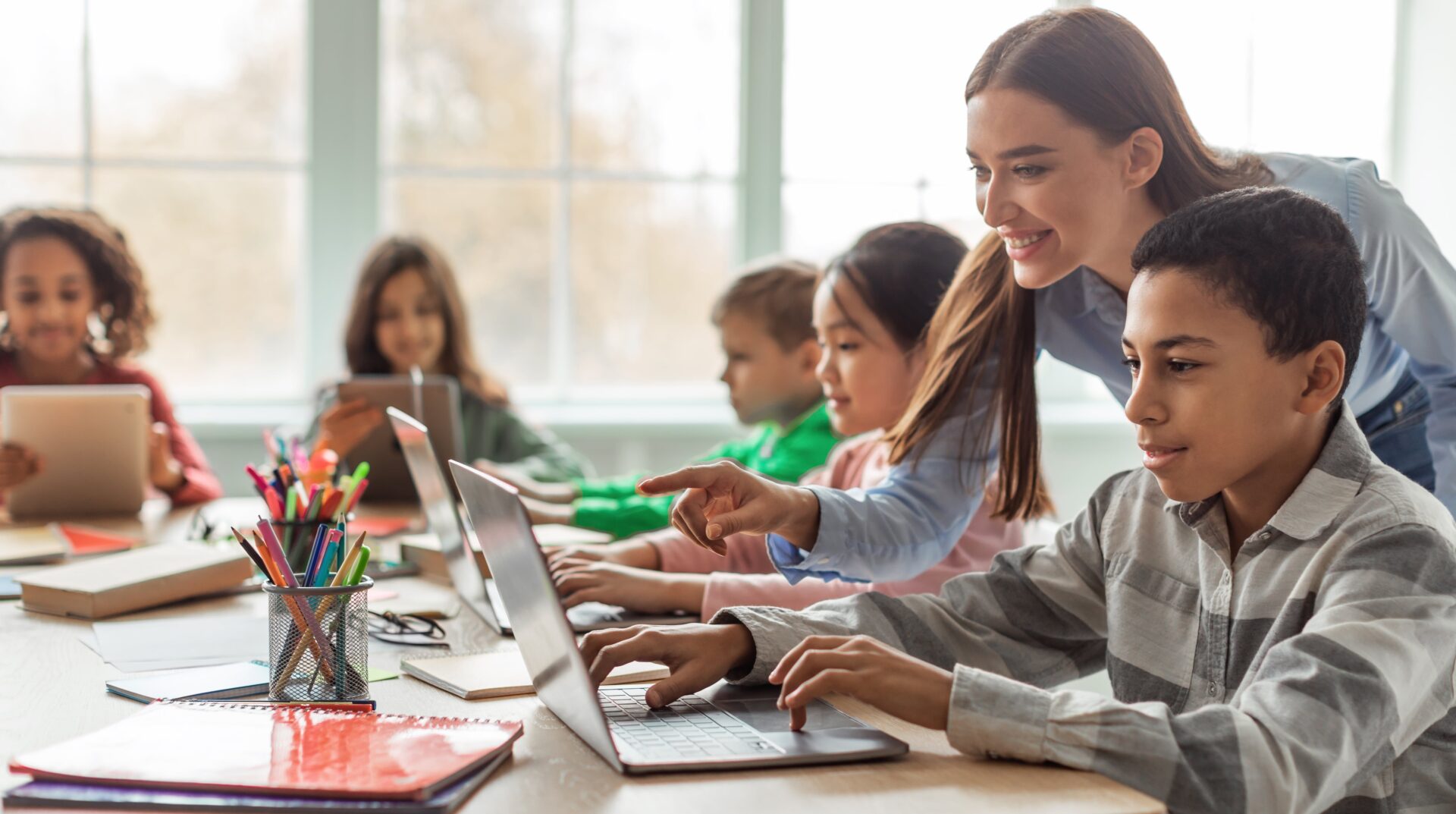
Technology in the classroom is embedded in how students read, write, research, and communicate their thoughts. Devices are no longer just occasional tools. They are part of daily instruction across various grades and subjects. However, access alone does not improve learning. The real impact comes from how teachers design lessons, set expectations, and choose tools that support teaching instead of competing with it.
Technology in the Classroom Today
Technology in the classroom has also moved beyond basic productivity. Virtual tools give students access to experiences and perspectives that may not be available locally. Creative platforms let students design explanations and share their work with real audiences. When these tools are chosen intentionally, technology can make learning feel more relevant to the world beyond school.
At the same time, challenges exist. Research shows that digital distraction during lessons can hinder learning, especially when expectations are unclear. This communicates the need for routines and structure alongside device use. Effective technology integration in the classroom requires paying attention to student focus and classroom culture, not just providing tools.
Pros of Technology in the Classroom
A realistic view of technology in the classroom considers both its advantages and drawbacks. Open discussions about what technology can and cannot accomplish help build trust among educators and families. When schools approach technology with clarity rather than hype, it becomes easier to focus on its instructional value instead of its novelty.
Access
Access is one of the most significant benefits of technology in the classroom. Digital tools can break down barriers that have historically limited student participation by offering supports that help students engage with grade-level material. Features such as audio support, adjustable text, and language tools allow more students to engage in the content. This does not lower expectations. Instead, it gives students multiple ways to access the material while holding them to the same learning goals. For teachers, this flexibility makes it easier to support a wide range of learners within the same classroom.
Boosted Engagement
Technology in the classroom can also boost engagement when the learning feels relevant and purposeful. Digital resources make it easier to connect instruction to current events, real-world situations, and future careers. Students are often more motivated when they see the importance of what they are learning and are more likely to invest effort and persist through challenges.
Feedback
Another clear advantage is feedback. Technology allows teachers to observe student thinking while learning is still in progress. This immediacy changes instruction. Teachers can adjust lessons, clarify misunderstandings, and provide targeted support without waiting for the end of a unit. Students benefit from this timely response. When feedback happens immediately, students are more likely to revise their work and reflect on their learning. Over time, students develop stronger habits around reflection and improvement.
Collaboration
Collaboration is another area where the benefit of technology in the classroom adds value. Students practice working together in shared digital spaces, reflecting on how collaboration occurs outside of school. Teachers can also communicate more effectively with families by using consistent digital systems to share learning evidence.
Cons of Technology in the Classroom
Digital Distraction
Devices can easily distract students, including those who are motivated to succeed. Notifications and open tabs can interrupt focus and fragment attention. Without clear expectations and consistent routines, instructional time can quickly erode.
Privacy and Safety
Privacy and safety add another layer of complexity. Schools must be deliberate about how they protect student data and the digital tools they select. Policies alone are not enough. Students benefit from consistent instruction in responsible technology use, supported by clear expectations and supervision.
Implementation Fatigue
Implementation fatigue is another challenge that often goes unrecognized. When schools adopt too many tools at once, teachers and students can feel overwhelmed. Confusion can replace clarity. Over time, this can lead to frustration and resistance. Schools that focus on fewer tools and support them well tend to see more sustainable results.
Explore Educational Technology Resources
See how Discovery Education can support your school or district.
How to Integrate Technology into Your Classroom
Successful technology integration in the classroom starts with clarity. Before choosing a tool, educators should identify what students are expected to learn or demonstrate. Technology should be used when it adds value to instruction by improving understanding, access, or feedback. If it does not serve a clear purpose, it is likely unnecessary.
Consistency is also key. Students benefit from predictable routines that help them use technology efficiently and responsibly. Clear procedures protect instructional time and reduce frustration when technical issues arise.
Because technology can be unreliable, planning for disruptions is essential. Connectivity problems and login challenges are common. Having an alternative activity that still meets the learning goal helps keep instruction on track without unnecessary stress.
Teaching digital citizenship should be intentional and reinforced over time. Students need guidance on how to communicate appropriately, evaluate information, protect their privacy, and manage distractions. These skills are vital to classroom culture and require ongoing attention.
Technology should also make learning visible. Being active on a device does not mean students understand the material. Teachers should encourage students to explain their thinking and reflect on their choices. This practice ensures that technology supports learning rather than hides gaps in understanding.
From a leadership perspective, integrating technology in the classroom is a process of change. Teachers need practical support, clear expectations, and time to build confidence. When adoption is simple and consistent, teachers can focus on instruction rather than troubleshooting. Many educators rely on a trusted K-12 online learning platform to save planning time and access high-quality content.
Closing Thought
Technology in the classroom is here to stay. Its effectiveness depends on how it is used. When teachers focus on learning goals, streamline tools, teach responsible use, and establish strong routines, the benefits of technology in the classroom become clearer. Integrating technology is not just about keeping up with the trends. It is about creating learning environments where students engage meaningfully and grow through effective teaching backed by thoughtful technology choices.