
Key takeaways
-
The flipped classroom model shifts where direct instruction takes place. Class time is used for hands-on learning, collaboration, discussion, and small-group instruction.
-
This model promotes student-centered, responsive instruction, allowing students to learn at their own pace when accessing content at home and giving teachers more time to differentiate learning for students.
-
The role of the teacher shifts from lecturer to facilitator, and teachers spend more one-on-one time with students and act as a guide when providing targeted instruction.
-
Successful implementation depends on systems, assessment, planning, and resources.
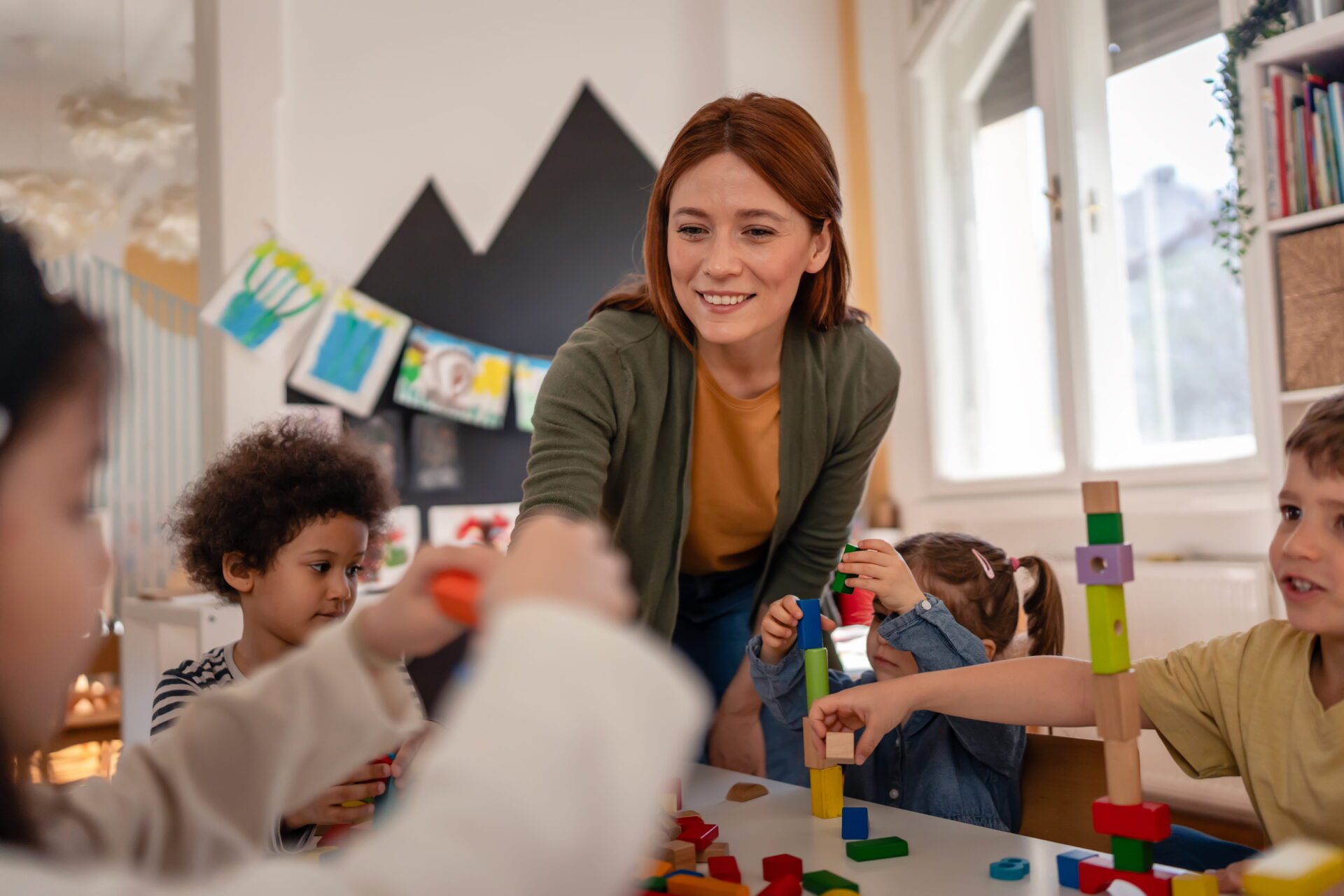
Intentional, student-centered instruction in today’s classrooms is essential for successful student outcomes. Large learning gaps exist, and it is essential to accommodate a variety of learning modalities in order to reach students who are constantly engaged with technology.
Consider a classroom where students watch a short video on photosynthesis at home. The next day, they arrive in class buzzing with questions and excited to dive deeper. The teacher can then facilitate a hands-on experiment, guiding small groups as they explore the process using plant samples. This approach embodies the flipped classroom model, an effective strategy to maximize instructional time and shift to a student-centered instructional approach to effectively address the needs of all students in the classroom.
What is a flipped classroom?
A flipped classroom model is a method of instruction in which the main lecture or initial exposure to a new concept occurs outside the classroom, without the classroom teacher. When students arrive in the classroom, the teacher provides small-group instruction, and students participate in projects to build their knowledge.
This model of instruction has been described in various ways, including a blended learning model, a non-traditional learning model, a modern instructional practice, and an active learning model. These different names help to capture the shift in how learning happens, with students engaging more actively and teachers providing targeted support during class time.
Pros and Cons of a Flipped Classroom:
This non-traditional flipped classroom model offers many potential benefits for both students and teachers.
Benefits of a Flipped Classroom
- Encourages student responsibility for learning
- Creates a more responsive learning experience
- Allows students to come prepared with questions
- Increases teacher time for small-group support
- Promotes collaboration and hands-on learning
- Reduces time spent on lectures
- More teacher–student interactions
- Provides more support for struggling students
This instructional approach offers several benefits that support student learning and engagement. By shifting direct instruction outside the classroom, teachers can spend more time working closely with their students, addressing questions, and providing targeted support. Many teachers highly enjoy this method of instruction. Teachers say that students have a greater sense of responsibility for their learning and come to class excited to apply what they have learned. Students look forward to collaborating with peers and love having the opportunity to engage in hands-on activities. This meaningful structure is especially helpful for students who may need additional time or support, as it allows teachers to differentiate instruction, respond to individual learning needs, and help students build connections, making learning more applicable to the real world.
While these advantages highlight the great potential of this model to improve classroom instruction, it is also important to consider some of the challenges and limitations reported by teachers when implementing this approach.
Cons of a Flipped Classroom
- Students may come to class unprepared
- Limited or no access to technology
- Lack of support at home to help with access
- More planning time for teachers
- Increased responsibility may be challenging for some students
Simple solutions can be implemented to help mitigate some of these potential issues. For example, if a student did not have the opportunity to watch the lesson before coming to class, teachers can provide time during the school day that student to access the lesson so they can still participate in the planned activities. When working with grade-level team members using the flipped classroom model, or when implementing it at the school level, it’s possible to brainstorm ways to secure more planning time for teachers. Simply thinking ahead about these obstacles can help create a solid foundation for a very successful teaching model.
Explore Educational Technology Resources
See how Discovery Education can support your school or district.
How to Implement a Flipped Classroom:
There are many factors to ensure the flipped classroom model is effective. This comes down to systems, assessment, planning, and resources.
Step 1: Reflect on the Systems Needed
There are many different ways to design and organize a flipped classroom. Reflecting on the types of systems needed will help to organize learning effectively. Consider the following questions:
- How will you ensure students come to class prepared to engage in meaningful learning activities? What will you do if they are not prepared?
- What will learning look like at home and in the classroom?
- How will you use the vertical alignment of your grade level standards to design your instructional approach to ensure students have obtained the necessary skills?
- How will you communicate learning expectations to students and their families?
Reflecting on these questions will help you create the systems needed for a flipped classroom to be effective.
Step 2: Determine Assessment
Assessment is key when planning instruction in a flipped classroom. Using assessment enables teachers to effectively differentiate instruction and identify potential gaps before delivering grade-level lessons. In some cases, assessments may be used to determine student readiness before introducing new content. Teachers can adjust instruction to ensure lessons are accessible and appropriately scaffolded for all learners. Asking the following questions can aid in determining how assessment will be used in a flipped classroom model:
- How and when will you assess student knowledge? Do students need to complete assessments at home before coming to class, or after the learning has taken place?
- How will you communicate assessment expectations to families if students take assessments at home?
- How will you incorporate benchmark or quarterly assessments to address learning gaps prior to introducing grade-level content?
- Will you administer pre- and post-tests or exit tickets? Where will these take place, and what resources will you use?
Understanding what students know and should be able to do before planning instruction allows teachers to intentionally decide which lessons should be provided at home and which students may need additional instruction before accessing them. This type of planning helps teachers anticipate student needs and build lessons that establish a solid foundation before introducing new content. There are also effective programs, such as those available through Discovery Education, that support adapting instruction to students’ learning needs, saving teachers time while ensuring learning gaps are addressed. These assessment considerations will help teachers to maximize their impact when planning to use a flipped classroom model.
Step 3: Planning & Resources
Once student assessment data has been reviewed, intentional planning becomes the solid foundation of a successful flipped classroom. During the planning process, teachers can utilize personal or online instructional videos and digital resources to support at-home or in-class learning. Implementing a flipped classroom model requires careful consideration of the following:
- Which lessons and resources are appropriate for students to complete independently?
- Which concepts and activities will require direct teacher support?
- How will in-class time be structured to allow for collaboration, discussion, and project-based learning?
- How will questions be addressed?
- How will instruction be differentiated, and which activities will meet the needs of all learners?
A key goal of this planning is to intentionally address all needs while building 21st-century skills by creating opportunities for collaboration, technology use, inquiry, and communication. Virtual field trips can also be an effective resource for shared learning experiences prior to class. Doing this will help to ensure that all students have access to the same content and background knowledge. You can always find a wide range of resources in the Discovery K-12 online education program.
Final Thoughts
The flipped classroom model can bring many benefits to both the teacher and the student and can yield high growth if done intentionally. Teachers can always start by trying the flipped classroom model out with one subject at a time to see how it could work in their classroom. It is exciting to know that there is a way to increase the time teachers have to work with groups of students in order to improve engagement, increase instructional flexibility, and support differentiated learning. Small challenges exist in this model, but with a careful plan, great resources, and ongoing reflection, those can be addressed to ensure the flipped classroom remains a fun and effective, equitable instructional approach. Happy teaching!