Classroom Management Guide
Classroom management is the steady framework that keeps learning on track. When expectations are clear and routines are consistent, students know how to navigate the day, teachers can focus on instruction, and the entire school community benefits. Strong management practices set the foundation for meaningful engagement, reduce confusion, and create an environment where both learning and well-being can thrive. In the following sections, we explore why classroom management matters, how it influences everything from instruction to school climate, and the practical steps educators can take to build systems that support every learner.
- Key Takeaways
- Classroom management provides the foundation for learning.
- Effective classroom management extends beyond the classroom.
- Successful classroom management is intentional, flexible, and collaborative.
Get the The Wonder Workbook: Daily Curiosity Prompts
Explore Solutions for Your School or District
What is classroom management?
As drivers, we all know that we do our best to follow the rules and established norms to keep ourselves and everyone else safe while trying to get where we are going. The neat thing about these “rules of the road” is that they are so well-known that even someone visiting from another location, or even another country, can still adapt and navigate safely. This is because the systems are familiar, clearly communicated, and even adaptable. This looks like clear signage for speed limits and warnings that alert and remind drivers to road hazards such as construction or accidents ahead, sharp curves, flooded roads, or falling rocks. There are even special signs or rules for different types of vehicles, based on their size or varying needs. Classroom management works in the same way. For this reason, I often compare classroom management to driving: without clear expectations, established norms, and routines, chaos ensues.
Why is classroom management important?
When classroom management is effectively in place, teachers can focus on instruction, and students can engage more fully in learning, resulting in everyone moving toward success with clarity and purpose.
Robert Marzano, a well-known and highly regarded educational researcher, writes about the critical role of classroom management in his book titled Classroom Management That Works. He emphasizes that classroom management is a highly essential component of effective teaching and learning. Not only does it provide the foundation for learning, but it also creates a safe learning environment by reducing confusion and establishing expectations and routines. Routines help clarify expectations for students, teachers, families, and even classroom guests.
Ineffective classroom management can not only affect what happens inside a single classroom but also can influence the school climate and the teacher’s reputation among colleagues, administrators, parents, and students. In my experience, when a teacher does not establish clear routines and expectations, the effects extend well beyond the classroom walls. This lack of structure becomes evident in hallways, shared spaces, and other school settings. Over time, this can create various challenges for teachers and administrators, often leading to increased behavioral concerns in and out of the classroom and more discipline problems and parent complaints.
Research further supports the connection between ineffective classroom management and teacher burnout, with many educators leaving the profession earlier. This is especially true when they feel unable to manage their classrooms. We all know teacher retention is key, and starting with classroom management practices can help reduce teacher turnover.
Colleagues and school visitors can also notice the challenges other teachers face with classroom management. This can influence staff morale and the ability to keep and retain substitutes. So classroom management is multi-layered and highly important not only for the learning happening in the classroom but also for the overall feeling of a school.
How do you effectively manage a classroom?
Like managing and directing traffic in a city, effectively managing a classroom is a multi-layered process. As you put together your classroom management plan, focus first on students, systems, and supports. If you center your plan around these three items, it will help ensure a successful implementation.
When establishing a classroom management plan, it is crucial to start with your students. This simply means knowing the basics about the children in your classroom. Consider their ages, interests, abilities, accommodations, and learning styles. Do everything you can to learn about them and, from that, begin to create a classroom management plan that fits the group you serve. As the year goes on, you will learn more about students’ needs, and you may want to make individual or overall adjustments.
Reflection and adjustment are essential to good teaching and classroom management. This is why I recommend that, when communicating with families, you let them know you may need to make changes throughout the process to accommodate any needs or situations that come up. Connecting with students through their interests and engaging them can be a great way to foster curiosity and enhance your instruction. One all-in-one platform that supports this is Discovery Education’s K–12 online education program.
Systems
When it comes to systems, start with your school’s behavior system. Review your school’s behavior plan to ensure you are clear about what is currently in place and any discrepancies, so you do not contradict the procedures. Doing this will help you align your classroom approach, thereby increasing clarity and consistency for students and their families. Administrators can be key partners in supporting teachers with behavior when expectations are clearly communicated. For these reasons, administrators need to ensure that all teachers have strong classroom management systems in place and that expectations are clearly communicated to students, families, and school leadership. While it is considered best practice for teachers to co-create routines and procedures with students, those systems must still be clearly defined and shared with families.
Next, think about the systems you will have in place within your classroom. Where will students turn in papers? How will you take attendance? Where will they line up? Where do they put their coats? How will students answer questions? Who will help hold the door? Who will take care of the plants? When will they share, and how will they know? Make a list of all of these, which means starting with a plan that incorporates routines and procedures. Yes, you can think about rules and visual charts to track behaviors at the start of the year, but routines and procedures are what keep the day moving. Having clear systems in place in your classroom is an essential step in effective classroom management and is a great way to maximize your instructional time.
Supports
The term “supports” means that your colleagues, instructional coaches, administrators, and even families can support you in maximizing the effectiveness of your classroom management plan. You can learn from your colleagues and what they have in place in their classrooms. Maybe other educators in your building had some of the students that you will have this year. Maybe other teachers have a great system that aligns nicely with the school’s system, or maybe you could even align with the other teachers in your grade level to help you get started. Once you have established a plan, if it isn’t working as well as you had hoped, you can get feedback from your instructional coach, colleague, or even your administrator. These key people can support you, offer you in-time feedback, and help troubleshoot in order to create a system that works well for both you and your students.
Families are also a valuable resource and should be considered when developing your classroom management plan. They need to understand the expectations in your classroom so they know their role. This could include signing agendas, how to communicate concerns to you, or what will happen if their child is struggling with behavior. How will you handle that, and how will you communicate it? Talking with families on a positive note about their children, or reaching out to them at the beginning of the year to see if they have any questions about the systems in place, is a great way to start.
Final Reflections on Classroom Management
All in all, getting around safely, creating a focused and safe environment for learning, and fostering a positive school climate all connect back to one thing: classroom management matters. How a teacher manages a classroom has a significant impact, but it is possible with preparation, reflection, and thoughtful attention to the many moving parts within the classroom and school.
Featured Resource
In this workbook, you’ll find:
- Weekly progress check-ins and daily curiosity prompts
- Pro tips to develop ideas for motivating curiosity in others
- Inspiring quotes, excerpts and considerations to spark your curiosity
- Definitions, explanations, and research studies to help you explore curiosity in context
- Quests that take curiosity prompts beyond reflection and into your daily life
Student Engagement & Classroom Management Resources
Clear expectations and routines create the safe, focused environment students need to learn, while meaningful, active learning experiences help them think, feel, and behave in ways that strengthen engagement. When these two forces work together, classrooms run smoothly and students become more invested in learning. Ready to strengthen both in your classroom? Explore the resources to get started.
Student Engagement & Classroom Management Blogs
How to Write an Effective Lesson Plan
Effective Classroom Management Strategies
Student Engagement
Get Students Moving: Why Physical Immersive Activities Boost Engagement and Learning
Intrinsic Motivation: Why It’s Lacking in Students and How to Foster It
5 Strategies to Re-Engage Students After a Break
Student Engagement & Classroom Management Downloadable Resources
Blueprint for Instructional Excellence
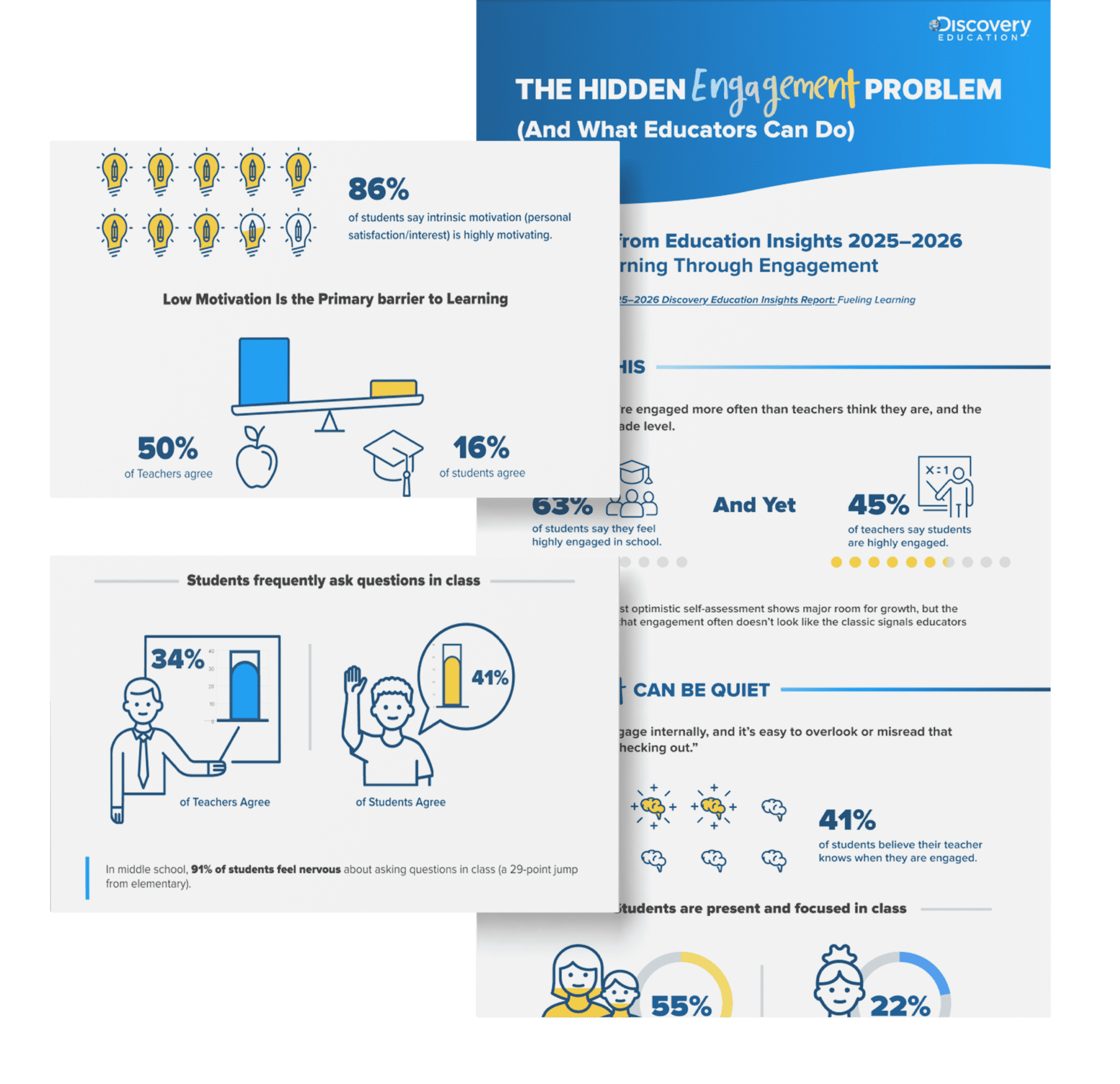
2025-2026 Education Insights
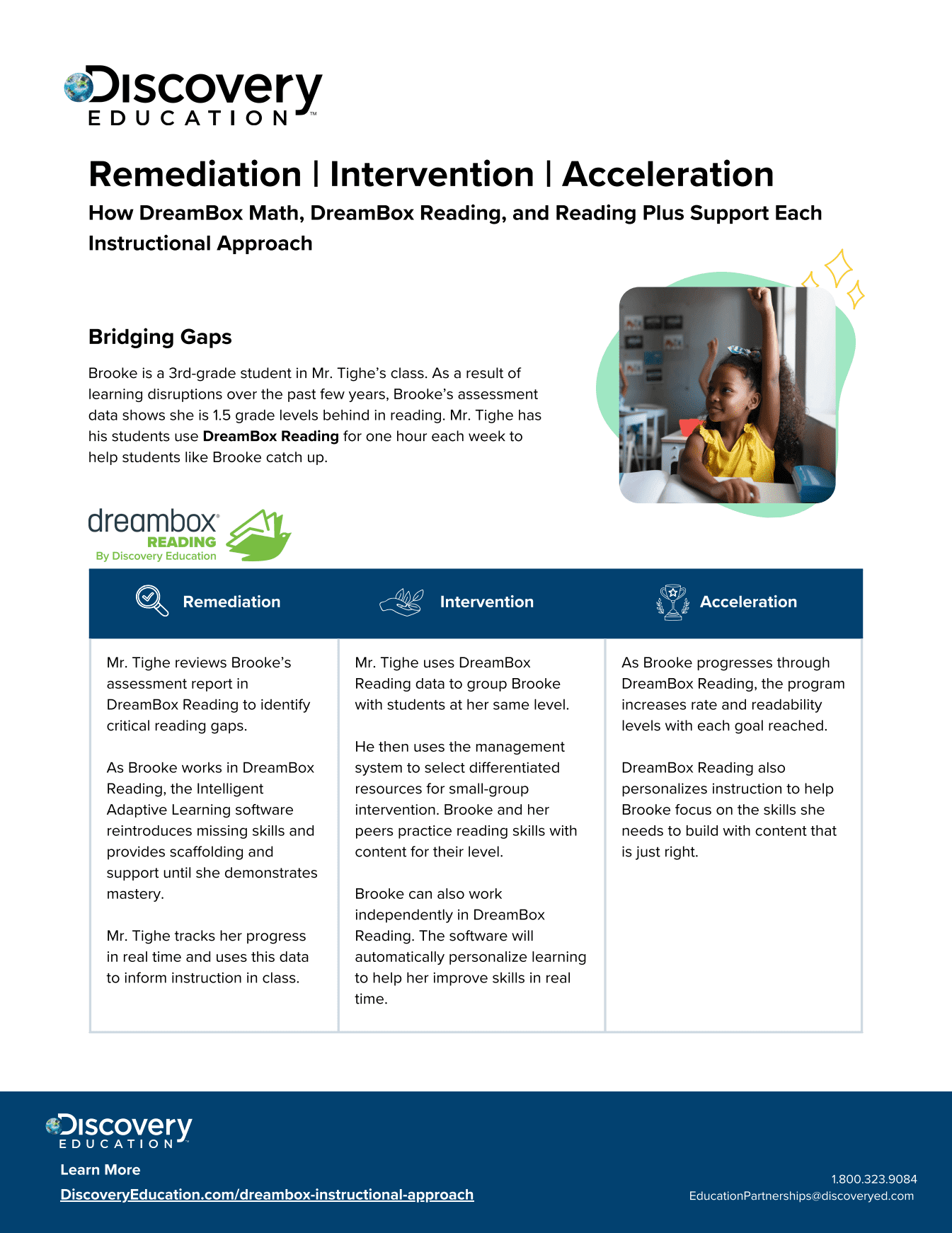
Remediation, Intervention, and Acceleration Crosswalk
A Guide to Maximizing Instructional Hours
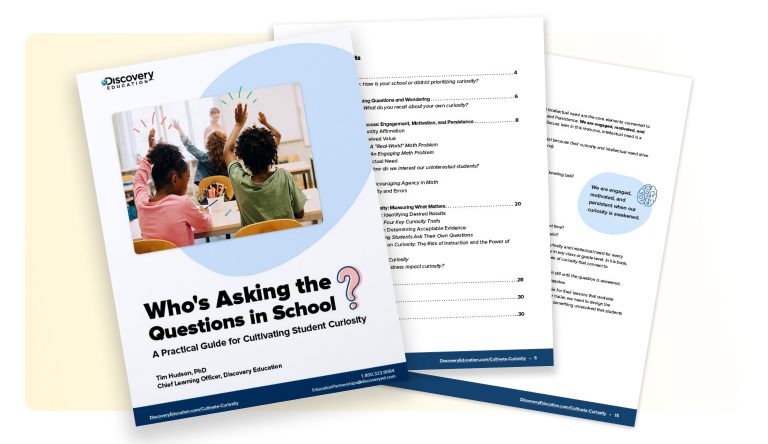
A Practical Guide for Cultivating Student Curiosity
Summer Success Blueprint
6 Strategies to Help Your Students Become Algebra-Ready
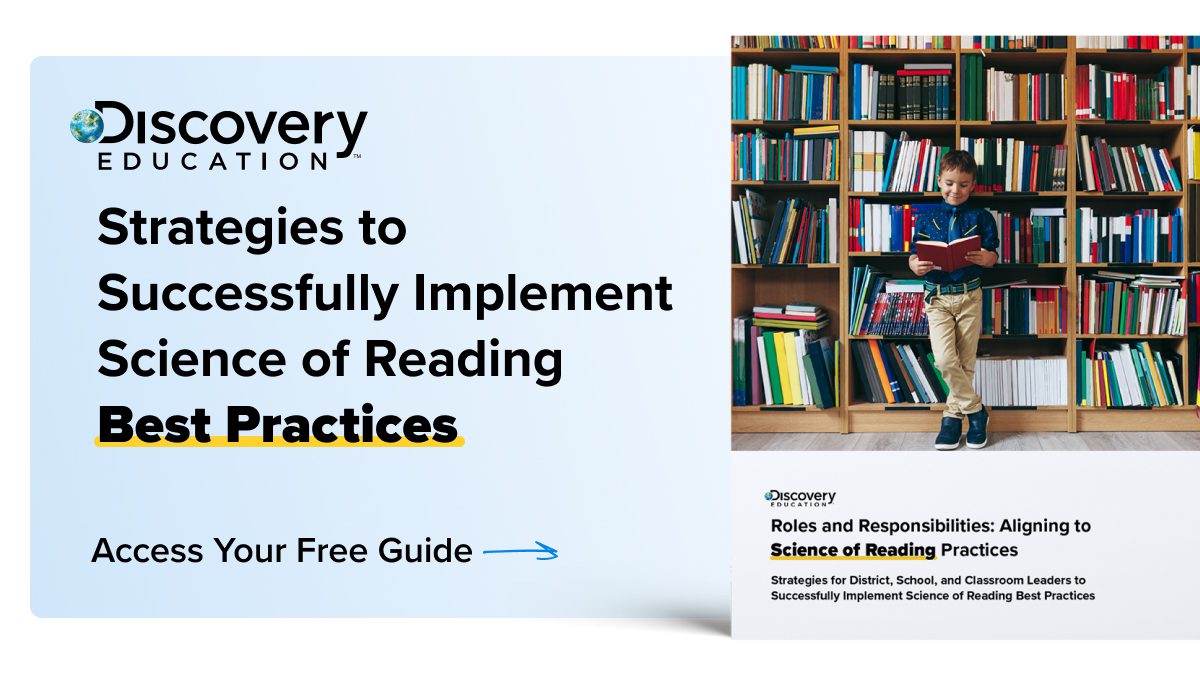
Roles and Responsibilities: Aligning to Science of Reading Practices
Let’s Chat about a Partnership with Discovery Education
Learn how partnering with us can bring solutions to your school or district.