Gone Wild: How Discovery Education Science Techbook Is Powering Hands‑On Field Experiences in Lincoln County, Oregon

partner story science techbook lincoln county logo

Lincoln County School District

Lincoln County, Oregon
A typical misty morning along the banks of the Salmon River in Lincoln County, Oregon, might feature the scent of pine and salt, the distant roar of the Pacific Ocean, and an occasional seagull swooping beneath the surface for an early snack. But today, it’s not just birds converging on the river—there’s also a group of third graders. Unlike the wildlife who call the area home, the children aren’t here for breakfast. They’re collecting samples, to better understand the water quality in different locations and how that affects the lifecycles of the salmon.

Where Curiosity, Nature, and Science Meet

This immersive field experience is part of a program Lincoln County School District is piloting this year, which pairs objectives from the state’s Environmental Literacy Plan and the Ocean Literacy Principles with lessons from Discovery Education’s Science Techbook. Once the concepts are introduced during instructional time, classrooms partner with community organizations to transition learning to natural environments, where hands‑on exploration helps deepen and solidify the subject matter.

partner story science techbook lincoln county oregon header
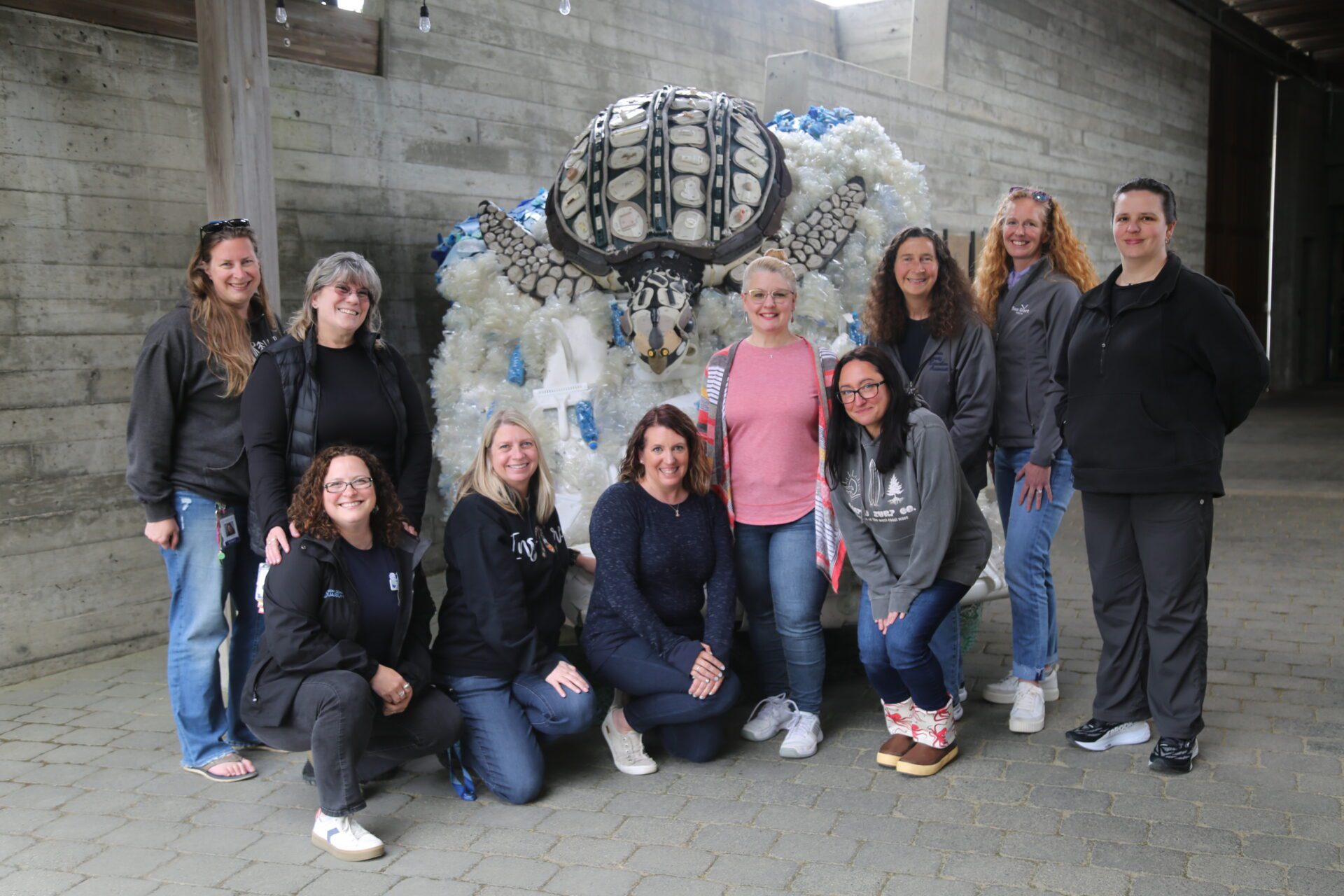
Lincoln County Schools' Science Implementation Team

For the Salmon River field experience, third-grade classes from Sam Case Elementary used Science Techbook’s Life Cycles for Survival unit. Students began with some guiding questions, including “What do parents and their offspring have in common?” and “How do inherited traits help offspring survive?” Then they explored the salmons’ habitat and investigated the fishes’ survival needs, traits, and challenges. The experience incorporates observational journaling, data collection and analysis.

Charissa Stair is the Educator Engagement Manager at the Oregon Coast Aquarium and has worked closely with Lincoln County School District to design and implement many of the field experiences. “These aren’t just regular field trips, where you go and you have fun and maybe learn a few facts and make a few memories—which is awesome, there’s definitely a place for those—but this is tied to the content that they’re learning in a way that allows them to do the exploration in a much more immersive setting,” she said.

“It just makes a difference in the core memory that it creates, because it includes so many senses—the sights, the smells, the sounds that help the content that they learned in class stick."
de quote left square filled
Charissa Stair
Educator Engagement Manager, Oregon Coast Aquarium

A Community-Powered Approach

This pilot year features twelve field experiences for grades K—6, made possible by partnering with community organizations such as the Oregon Coast Aquarium (where Stair works), the Oregon Department of Fish & Wildlife, and the Cascade Head Biosphere Collaborative. Other experiences include first graders growing plants in the classroom that they will later plant in a community garden, second graders investigating the diversity of wildlife and habitats within a local ecosystem, and sixth graders designing and testing a device to capture wave energy.

“In rural communities, place-based partnerships are essential for connecting science learning to the landscapes, industries, and natural systems students interact with every day,” said Dana Spink, Elementary Math Specialist (who has an active role in science learning as well).

“Place-based partnerships help students see their community as a classroom, bridging Science Techbook learning with real-world, local experiences that build relevance, access, and a strong sense of belonging in science."
de quote left square filled
Dana Spink
Elementary Math Specialist

Discovery Education Science Techbook—Planting Seeds for Strong Science Skills

Before elementary students partake in the field experiences, they develop understanding using Discovery Education Science Techbook. LCSD adopted Discovery Education Science Techbook for grades K-6 in the spring of 2025, because the district was looking for curriculum that included student-centered, hands-on activities—and Science Techbook fit the bill. “This program came out on top,” said Spink.  

Faith Forshee is a fifth-grade teacher at Crestview Heights Elementary whose excellence in science education earned her the 2025 Oregon Science Teachers Association (OSTA) Outstanding Classroom Teacher Award. She piloted a two-week plant unit with Science Techbook and was delighted with the level of student engagement. “(They) were thrilled every day to get out rulers, measure, and write their data in their journals,” she said.

“Students were able to read, write, collect math data, create posters, discuss...everything in those two weeks. It was a ‘perfect’ curriculum!”
de quote left square filled
Faith Forshee
Fifth-grade teacher

Sandy Mummey, Director of Elementary Education, agrees that Science Techbook is an excellent fit for LCSD. “The district was really committed to providing science curriculum that was going to support learning of the next generation science standards, and support students to reach science goals,” she said.

Mummey went on to say that teachers are eager to jump into the new science curriculum, coupled with the field experiences. “Our teachers are dedicated, hardworking, creative, and solutions oriented. They’re really excited about taking this integrated approach, are thinking about it holistically, and what’s best for children’s learning.”

A Collective Commitment to High Quality Science

partner story science techbook lincoln county oregon award

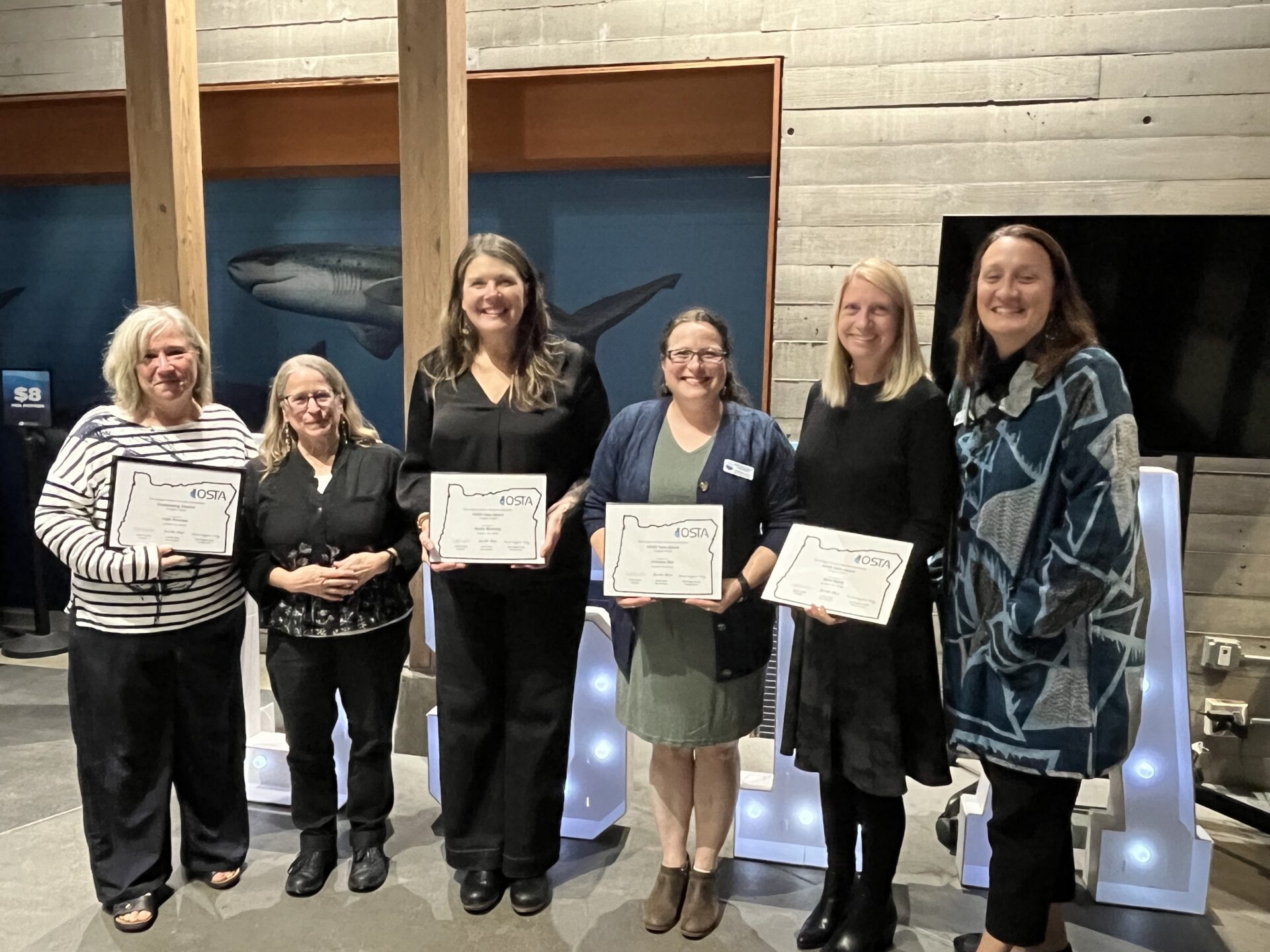
That commitment level of LCSD teachers was evident when, in October, the Elementary Science Implementation Team received the 2025 Next Generation Science Standards (NGSS) Team Award. This award, created by the Oregon Science Teachers Association (OSTA), celebrates exceptional teamwork in implementing the NGSS across schools and districts.

“Together, we are ensuring that students across Lincoln County have opportunities to wonder, explore, and engage in the practices of science in ways that will stay with them for a lifetime,” said Spink.

Quick Facts

Lincoln County School District

  • 11 schools, 2 charter schools serving 4,800 students
  • Partnered with Discovery Education since 2025

Solution

  • Discovery Education Science Techbook

Share This Story

Embark on Your Impact Journey with Discovery Education

Learn How Discovery Education Science Techbook Can Help You Achieve Your Goals

Related Resources

de resource blueprint for instructional excellence featured image
STEP Staff 2025 2026
de generic social share
de dual discipline individualized learning card