Key takeaways
-
Blended classroom learning is a planned mix of in-person teaching and online learning that works toward the same lesson goal.
-
The best blended classroom learning enhances differentiation, increases engagement, and provides teachers with more usable data without adding chaos.
-
Strong blended classroom learning starts with routines and digital tools that align with standards.
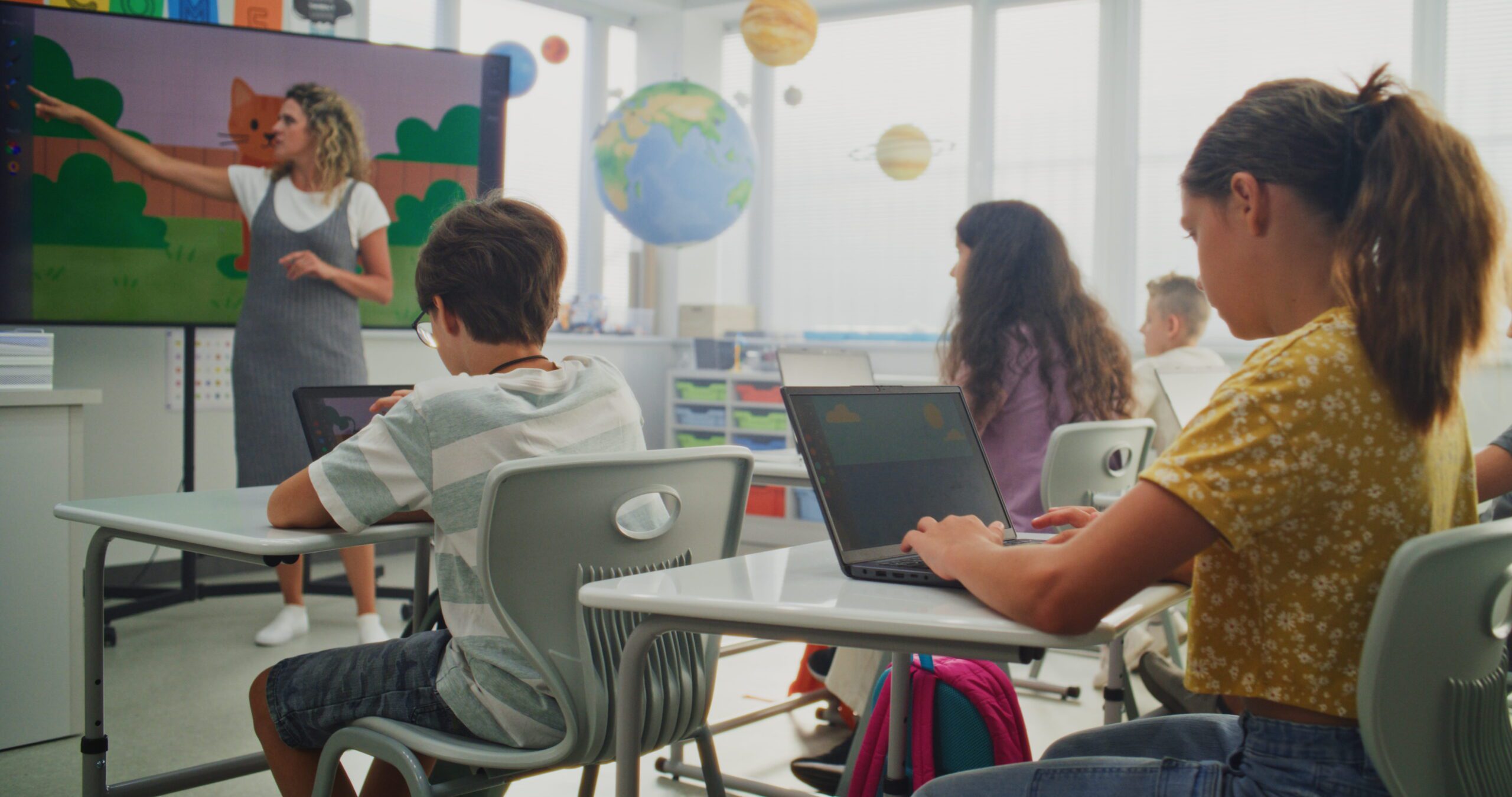
Blended classroom learning is a practical way to make strong instruction even stronger. Teachers still lead the learning through direct teaching. The only change is that there is now an online component, which simply gives students more opportunities to practice.
It is important to remember that blended classroom learning doesn’t replace instruction. Instead, blended classroom learning is intentional and helps teachers meet students where they are.
What Is Blended Classroom Learning?
Blended classroom learning is an instructional approach that combines in-person teaching with online learning in one unified lesson design. The online portion is built into the learning plan and supports the same standards and learning targets as the in-class portion.
Blended classroom learning is most effective when it has a clear structure and clear purpose. In a strong blended classroom learning environment, students know what they are learning, how they will practice, and how the online work connects to classroom instruction.
Components of Blended Classroom Learning:
- Face-to-face instruction for modeling, discussion, feedback, and relationship building
- Digital learning experiences such as videos, practice tasks, and collaboration
- Some student control over pace, path, time, or place for some of the learning
- Checks for understanding using digital or in-person evidence of learning
- Intentional integration so that online and in-person tasks connect to the same goal
Blended learning can look different from one classroom to the next. Depending on schedules, devices, and students’ needs, teachers have the flexibility to create a model that best supports their classroom needs. The important piece is how well everything fits together. Both parts of blended classroom learning must fit together like a puzzle. Both the online and in-person parts have to connect to what students are learning. If the online part doesn’t connect to what students are learning, they’ll see it as just something to click through. But when it aligns with the lesson, it builds student confidence moving forward.
Common Blended Classroom Learning Models:
- Station rotation: Students rotate through teacher-led, collaborative, and online stations
- Lab rotation: Students complete online work in a lab setting at set times
- Flipped classroom: Students access instruction online before class or at home and apply learning in class
Flex model: Online learning is the main component, and teachers provide support
Benefits of Blended Learning in the Classroom
There are many benefits to blended classroom learning. One benefit is that it can make learning more responsive for students and more manageable for teachers. The biggest benefit is flexibility. Students can move through practice in ways that fit them, and teachers can shift their time to meet needs in the moment.
Benefits for Students
Blended classroom learning gives students more ways to access content. Some students learn best through discussion, while others need visuals or guided practice. Blended classroom learning makes room for that flexibility without lowering expectations.
The learner’s pacing is also supported in a classroom that utilizes blended learning. Students can rewatch a lesson or pause it to take notes. Additionally, students can practice repeatedly until they master the skill or concept being taught. This helps students who need more time and those who are ready to move forward.
Student benefits of blended classroom learning:
- Flexible pacing so students can review and retry without pressure
- Increased engagement through interactive tools and multiple learning formats
- More independence as students develop routines and self-management skills
- More access through captions and reading supports
- Faster feedback that helps students correct mistakes quickly
Blended classroom learning can also reduce frustration. Students don’t always have to wait for help. They can use the digital support and then meet with the teacher when they need coaching.
Benefits for Teachers
Differentiation is one of the main benefits for teachers. Blended classroom learning can make it easier for teachers to provide small-group instruction and targeted feedback. While students work independently online or in stations, teachers can pull groups for reteaching or extension.
Blended classroom learning also improves a teacher’s visibility. Digital checks for understanding provide quick data that teachers can use to plan the next day or adjust on the spot.
Teacher Benefits of Blended Classroom Learning:
- More time for small groups without stopping the learning for the rest of the class
- Better differentiation through flexible grouping and targeted tasks
- Useful learning data from digital checks for understanding
- Stronger routines that reduce downtime and improve transitions
- More ways to engage students, including shy learners who participate better online
Teachers can explore a K-12 online learning platform for a one-stop shop to organize content, assign learning, and support differentiation.
Explore Educational Technology Resources
See how Discovery Education can support your school or district.
Challenges and How to Address Them
Blended classroom learning is practical, but it can come with challenges. Most of the issues occur when teachers try to do too much. They can happen when routines and alignment are not clearly established, too.
Varied Access to Technology
Varied access can make blended learning in the classroom frustrating.
Solutions for Access:
- Use a rotation model so most online learning happens in class
- Provide alternatives like printed practice or downloaded resources
- Coordinate device lending or hotspot support when available
- Keep the digital tasks short so missed access is easier to recover
Off-task Behavior During Online Work
Devices can be distracting. This is especially true if expectations for using the device and completing the tasks are unclear. Students may also struggle with self-management, especially at first.
Solutions for Focus:
- Teach online routines explicitly and practice them
- Use tasks with clear outcomes and time limits
- Circulate and keep screens visible during independent work
- Use quick accountability checks, such as exit tickets or conferences
Increased Planning Time
Blended classroom learning can feel like double the work. This is true especially if teachers create everything from scratch.
Solutions for Workload:
- Start with one subject area or one unit
- Use a consistent lesson template and reuse structures
- Choose K-12 online platforms with ready-to-use, standards-aligned content
- Limit the number of digital tools
Online Tasks that Are Not Aligned
If online work isn’t connected to the learning targets, the students won’t take it seriously, and teachers may lose trust.
Solutions for Alignment:
- Make sure every digital task connects to a specific learning goal
- Use online checks to drive small-group instruction
- Make the connection obvious to students (“This practice helps you…”)
- Use digital work as evidence for reteaching or extension
Technology and Resources Needed
Technology and resources must support the learning goals. A long list of digital tools isn’t necessary for blended classroom learning to be successful. Technology should be simple and reliable.
Tools for Blended Classroom Learning:
- An LMS for organization and assignments (Google Classroom, Canvas, Schoology)
- Student devices with consistent access and basic functionality
- Digital content resources aligned to standards
- Reliable internet
- Assessment tools for quick checks and actionable data
- Collaboration tools for discussion, shared work, and student products
- Teacher workflow tools that streamline feedback and grading
Steps to Implement Blended Classroom Learning
How can I set up blended classroom learning in my own classroom? The answer is simple. Treat blended classroom learning like introducing a new classroom procedure.
1. Set a clear goal
Set a goal by picking a specific problem.
2. Choose a blended model
Choose a model that fits your resources and schedule.
3. Build and teach routines
This is the foundation of blended learning in the classroom. Students must know exactly how online time works.
Teach routines for:
- Logging in and finding assignments
- What to do when finished
- What to do when stuck
- How to transition between stations
- Asking for help
4. Plan a repeatable lesson structure
Being consistent helps make learning time more effective.
Example structure:
- Mini lesson of (8–12 minutes)
- Rotations (15–20 minutes each)
- Regroup and exit ticket (5 minutes)
5. Use data to drive small groups
With a quick digital check, misconceptions can be identified more quickly, allowing teachers to use the information immediately.
Data-driven moves
- Reteach a misconception to a small group
- Offer an extension task for students who are ready
- Meet with students who need more personalized feedback
- Adjust tomorrow’s lesson based on the data gathered from today’s lesson
6. Reflect and refine
After a few weeks, it is important to review what’s working and what could be improved by asking yourself:
- Which routines are smooth?
- Where are students struggling?
- Which tasks improved learning?
- What can be simplified next?
7. Communicate with families
Families should be kept in the loop. Keep the communication simple. Let them know what students will do, how they’ll access learning, and how they can help.
What families need to know:
- How blended classroom learning works in your class
- What is expected at home, if anything
- How progress and grades will be shared
- Where to go for help if technology is a barrier
Final Thoughts
This model allows students to still receive strong instruction from their teacher and gain more opportunities to practice at their own level. Teachers have more time for small groups and a better understanding of what each student needs. Blended classroom learning can make a classroom both structured and flexible. The trick is to remember to start small, teach routines clearly, and keep the digital tools simple. From there, refine and build.
The last key to ensuring that blended classroom learning is set up for success is to align it with the classroom’s learning goals and support it with consistent classroom systems. When it is used in this manner, it becomes more than a trend. It becomes a sustainable approach to teaching and learning.