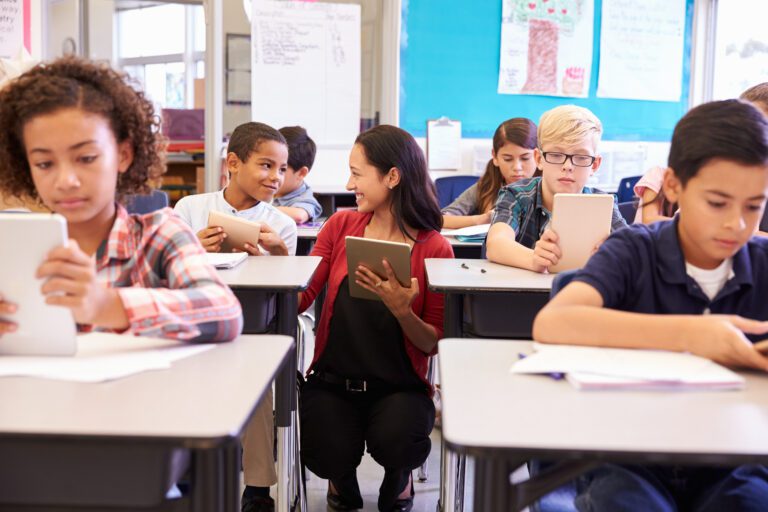
Ms. Moni Olowere shares with her third graders a visual of the Great Wall of China, and they immediately have questions. Where is it located? How was it built? And…just how great IS it?
Olowere knows she has her students hooked, because big questions like these are where the deep learning starts. Asking questions is also the first step of the C3 Framework, the inquiry model behind Discovery Education’s Social Studies Essentials. The Great Wall lesson comes from that program, which Olowere uses every day in her class.
What is Social Studies Essentials?
Social Studies Essentials is a K–5 program from Discovery Education that gives teachers ready-to-teach, inquiry-based social studies lessons aligned to the C3 Framework. The program builds engagement and rigor, strengthens civic awareness, and supports literacy while fitting into real classroom schedules.
Social Studies Essentials starts from a simple premise: teachers need more high-quality resources for meaningful social studies instruction. Discovery Education built the program to fill that gap with lessons that build civic and critical thinking skills, connect to real-world topics, support literacy development, and offer flexible ways to implement them.
From Big Questions to Big Understanding
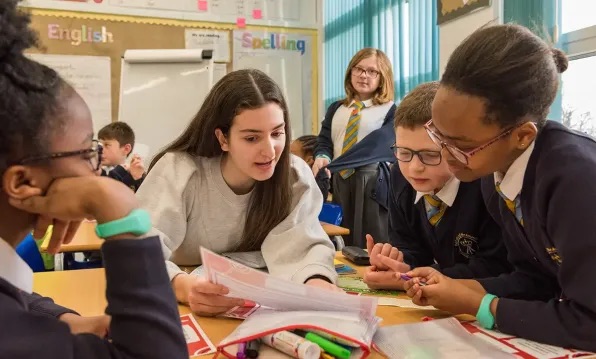
Each Social Studies Essentials lesson begins with a guiding question, engaging students from the start. Knowledge is then built through vocabulary, primary source analysis, and immersive multimedia. Students are asked to think and reflect, then explore further with discussion and activities.
After the guiding question, Olowere often employs turn-and-talks with students. “They have a lot to share!” she said.
Second grade teacher Symore Croxton also sees engagement through these conversations. “They ask questions, they share opinions, they listen to what their other classmates think and explain why they think something,” she said. “Sometimes they’ll even respectfully disagree with each other, which opens doors for some really good conversations.”
If students need additional practice, teachers can employ printable graphic organizers and related scaffolds.
Each lesson ends with questions aligned to the lesson goal. A mix of formats, including multiple choice, drag‑and‑drop, drawing, and audio responses keep assessments accessible and meaningful for all learners. Each unit concludes with a culminating assessment or project that ties together learning across lessons.
Social Studies That Fits the Day
Unfortunately, social studies education often gets pushed in favor of other subjects. Social Studies Essentials was designed to be flexible and easy for teachers to incorporate into their day, with literacy skills woven into each lesson.
“As an elementary teacher, time is always one of the biggest challenges because there’s so much that we have to fit into one day,” Croxton said. She uses Social Studies Essentials during her designated social studies block, but “we can also bring it into reading and writing, and even math, as well as our classroom discussions, or conversations about being a good citizen in our classroom and school,” she said.

Making Social Studies Feel Real
Croxton remembers that before using Social Studies Essentials, the subject felt like something that needed to be checked off the list.
“I think the biggest difference is that social studies feels a lot more real for my students now,” said Croxton. “Before, it could sometimes feel like we’re just learning information because it was something that we needed to know or needed to teach.
Now, she sees her students making connections, which she believes is incredibly important for elementary-aged children. “With second graders, if they can connect something to their own life, they’re actually going to remember it.” In her classroom, social studies has become “more of an experience and a conversation instead of just a subject we have to cover.” Her favorite moment is when a student links something from class to something they’ve seen at home, at school, or in the community. “That’s when I can tell they’re not just remembering an answer for an assignment,” she says. “They’re actually thinking about what they’ve learned and applying it to the world around them.”

Olowere saw a similar pattern with her students, sharing that she had typically found social studies “a bit challenging for students to show interest in.” With Social Studies Essentials, her third graders are thinking more critically, asking questions, and engaging more deeply. “The questions in the lessons are thought-provoking, so when I ask students to share, they’re more-outside-the-box,” she said.
Whether it’s a third grader wondering just how great the Great Wall really is, or a second grader linking a lesson to their own community, the pattern is the same: big questions lead to real connections. For Croxton and Olowere, Social Studies Essentials has helped turn social studies from a subject to cover into a conversation students want to join.
Three Takeaways About Social Studies Essentials
- It starts with inquiry. Every lesson opens with a guiding question aligned to the C3 Framework, then builds knowledge through vocabulary, multimedia, and reading before moving into discussion, reflection, and activities. Those big questions are what hook students.
- It fits into the real school day. Social studies often gets pushed aside, but the program is flexible and weaves in literacy skills. Croxton can use it in her social studies block and also bring it into reading, writing, math, and classroom conversations, so it doesn’t feel like one more thing to squeeze in.
- It makes social studies feel real to students. Both teachers describe more engagement, deeper thinking, and students connecting lessons to their own lives and communities. Social studies shifts from a subject to cover into an experience and a conversation.