EdTech Guide
Technology is now a regular part of everyday life, and classrooms are no exception. Teachers use digital tools to present lessons, students collaborate online, and learning resources are available at the click of a button. All of this falls under one important concept, educational technology.
If you have ever wondered, ‘What is educational technology?’ and how it impacts schools, you are not alone. The term is often used in conversations about modern learning, but many educators and parents want a clearer understanding of what it actually means.
This guide examines what educational technology is, why it matters, and how it is used in real classrooms. You will also see examples of educational technology that are helping students learn in ways that were not possible just a few years ago.
- Key Takeaways
- Educational technology helps teachers and students improve learning through digital tools, platforms, and resources.
- The importance of educational technology lies in its capacity to individualize learning, increase engagement, and expand access to knowledge.
- From learning platforms to hands-on simulations, educational technology assists up-to-date classrooms in valuable and practical ways.
Top Reasons to Prioritize Ease of Use for EdTech
Prioritize seamless and effective solutions to support students and staff.
What is Educational Technology?
Educational technology is the use of digital tools, platforms, and technological resources that support instruction.
Educational technology helps educators deliver instruction more effectively, and it helps students access information in interactive ways. EdTech isn’t simply about devices like laptops or tablets. It also includes the systems, software, and strategies that help teachers organize content, track progress, and support student understanding.
Key components of educational technology typically include:
- digital education platforms that organize lessons and resources
- videos, simulations, and virtual labs
- assessment tools that give immediate feedback
- collaboration tools that allow students to work together online
- data tools that help teachers track student progress
The goal of educational technology is never to replace teachers. The goal is to assist teachers by providing additional ways to explain concepts, practice skills, and monitor learning.
For example, programs such as Discovery Education’s K-12 online learning platform provide teachers with ready-to-use instructional resources, multimedia lessons, and tools that make it easier to integrate digital educational tools into everyday instruction.
Understanding ‘what is educational technology,’ helps educators see how these tools can improve teaching while still keeping strong instructional practices at the center of learning.
What are the Benefits of Educational Technology?
The importance of educational technology in education continues to grow as classrooms become increasingly connected and learning expectations grow.
Educational technology can support both teachers and students in several ways.
Digital content can bring lessons to life. Videos, hands-on simulations, and visual explanations help students understand complicated topics in ways that traditional instruction sometimes cannot.
When students interact with the material, they are more likely to stay engaged and retain what they learn.
Personalized Learning Opportunities
Educational technology allows students to move at their own pace. Some tools change difficulty levels based on student responses, while others provide extra practice for learners who need it.
This type of flexibility helps ensure that students gain the support they need without slowing down the entire class.
Improved Access to Resources
One of the major benefits of educational technology is access to a broad range of learning materials.
Students can explore:
- interactive lessons
- digital textbooks
- educational videos
- virtual experiments, and
- collaborative learning activities.
These resources help expand learning beyond the classroom walls.
Feedback and Assessment
Many educational technology tools provide instant feedback on assignments and quizzes. Teachers can quickly see which concepts students understand and which ones need more attention.
This data allows teachers to modify instruction while also supporting students more effectively.
Preparation for the Future
Another reason the importance of educational technology in education continues to grow is that digital literacy remains an essential skill.
Students who regularly use educational technology develop skills such as:
- problem solving
- online collaboration
- online research, and
- technology fluency
Examples of Educational Technology
Educational technology appears in many different forms across classrooms today. Some tools focus on delivering content, while others help students practice skills or collaborate with peers.
There are several widely used forms of educational technology in schools.
Learning management systems allow teachers to organize lessons, assignments, and assessments in one place. Students can access materials, submit their work easily, and stay updated with their progress in a single platform. This makes it easy not only for our students but also for our teachers.
Many teachers love how these systems streamline communication for everyone and keep learning organized.
Interactive Learning Platforms
Interactive learning platforms deliver multimedia resources such as videos, hands-on lessons, and virtual experiences.
Platforms such as Discovery Education serve as powerful educational resources for teachers who want to integrate educational technology into their instruction while maintaining strong academic standards.
Digital Collaboration Tools
Collaboration tools allow students to work together on projects even when they are not in the same room. Shared documents, discussion boards, and digital whiteboards help students communicate and build ideas together.
These tools encourage collaborative work and support deeper learning.
Educational Apps
Educational apps allow students to practice skills through games, quizzes, and interactive challenges. Many apps are created to strengthen specific subjects such as math, reading, or science.
Because they are easy to access on tablets or laptops, these tools can support both classroom instruction and independent practice.
Some classrooms are beginning to use virtual and augmented reality tools that allow students to study historical locations, perform virtual science experiments, or visualize complex concepts.
These engaging activities show how educational technology can transform the way students interact with content.
Final Reflections on EdTech
Educational technology continues to develop as new tools and innovations emerge. Understanding ‘what is educational technology’ and appreciating the importance of educational technology in education helps educators make thoughtful decisions about how to use these tools effectively.
Educational technology does not replace great teaching. It strengthens it by giving teachers more ways to explain ideas, support students, and bring learning to life.
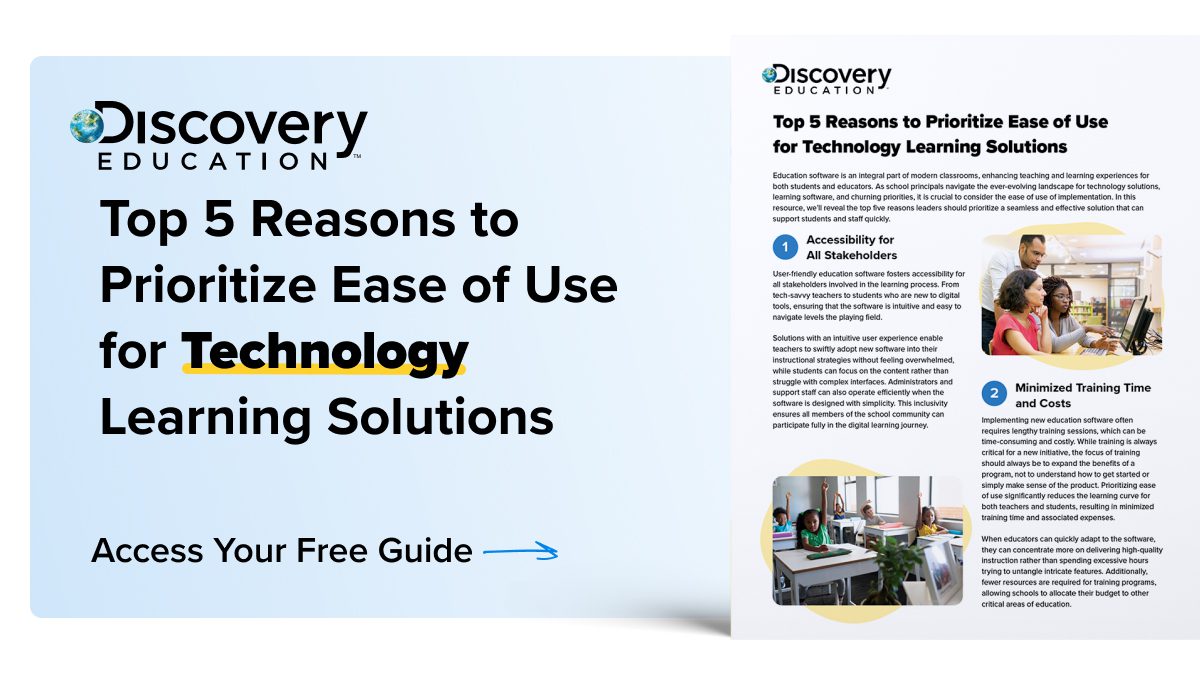
Top 5 Reasons to Prioritize Ease of Use for EdTech
Prioritize the Ease of Use for EdTech Solutions
Education software plays an integral role in today’s classrooms, enhancing teaching and learning experiences for both students and educators. As school principals search for technology solutions that work best for their staff and students, it is critical to consider the ease of use of technology solutions.
Download this free resource to learn the top five reasons education leaders should prioritize a seamless and effective solution that can support students and staff quickly.
Educational Technology Resources
Success in the modern classroom requires more than just good content; it requires a tech strategy that works. By pairing rigorous, research-based curricula with flexible EdTech tools, districts can drive engagement at every grade level. Explore our guide to learn how to select, scaffold, and implement the strategies that make student mastery inevitable.
EdTech Blogs
How to Integrate EdTech into Curriculum
How to Implement EdTech in Schools Successfully
5 EdTech Implementation Challenges Leaders Should Anticipate
How to Train Teachers to Use Virtual Classroom Software Successfully
Flipped Classroom
Blended Classroom Learning
What Is a Learning Management System (LMS)?
Technology in the Classroom: How to Integrate It Effectively
EdTech Resources
Top 5 Reasons to Prioritize Ease of Use for EdTech
Let’s Chat about a Partnership with Discovery Education
Learn how partnering with us can bring solutions to your school or district.