Ask Kayla Boykin how to spark students’ interest in science, and she may respond with one simple word: weather.
Actually, make that three words: blizzards, tornadoes, and hurricanes. Boykin, now the K-8 Science Teaching and Learning Specialist for Johnston County Public Schools in North Carolina, recalls the first time she ever taught her classroom students about severe weather. “I was like, ‘oh my gosh, you have so many questions!’” she recalled.
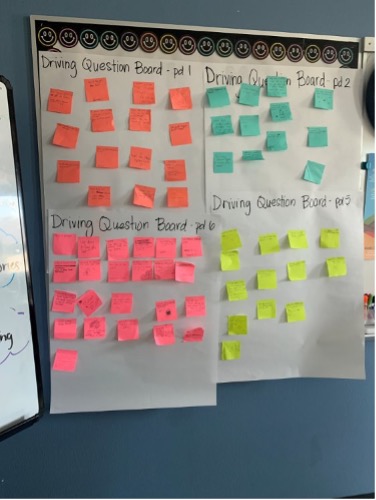
Too many questions, in fact, for the allotted time. So, Boykin had students write anything unanswered on sticky notes and added to a “burning question” board. Whenever a student finished a task early, they could visit the burning question board, pick one, look up the answer, and share with the class.
“So, you’re really feeding the curiosity…not squashing it,” said Boykin.
That curiosity is the first step in deeper learning. By pairing Discovery Education Science Techbook with these intentional instructional decisions, students shift from simply receiving answers into chasing them.
Start With a Mystery, Not an Answer
Boykin, as well as Jeremy Blinn, Secondary Science Curriculum Specialist for Volusia County in Florida, agree that curiosity starts even before students ask their first question. In both districts, it begins with a phenomenon that every student can see and wonder about. This might be watching a bat hit a ball or observing the night sky. “Phenomena-based learning is huge right now, especially with making those connections to the real world,” said Boykin.
Blinn says that after teachers expose students to a phenomenon, they should pause and let students wonder. “Resist the temptation to give the students answers too quickly,” he said.

Phenomena–based learning flips science from memorizing answers to solving mysteries, and the learning sticks with students.
From Sticky Notes to Student-Driven Learning
Curiosity is the starting point; next comes the process of putting those student questions at the center of learning. “We don’t want students leaving a science classroom simply remembering what a teacher explained. We want them leaving with an explanation that they came up with, and they constructed,” said Blinn.
A great way to do that is with driving question boards. After witnessing the phenomenon, students write down their authentic questions on sticky notes and post. And if there are questions that are not answered, teachers can use Boykin’s “burning question board” illustrated above.
Reading and Writing with a Reason
Science education in K-8 is also a great driver of literacy, which it accomplishes by increasing vocabulary, building real-world context, and strengthening reading comprehension.
“When I say ‘science is literacy,’ I mean that reading, writing, speaking, and listening are essential for students to make sense of science,” said Boykin. “Students read to gather information, talk to consider different explanations, and write or create models to communicate their understanding.”
Blinn agrees. “Students shouldn’t simply read science to answer questions at the end of a passage; they should read because they have questions of their own that need answering. Science provides one of the most authentic reasons to read and write,” he said.
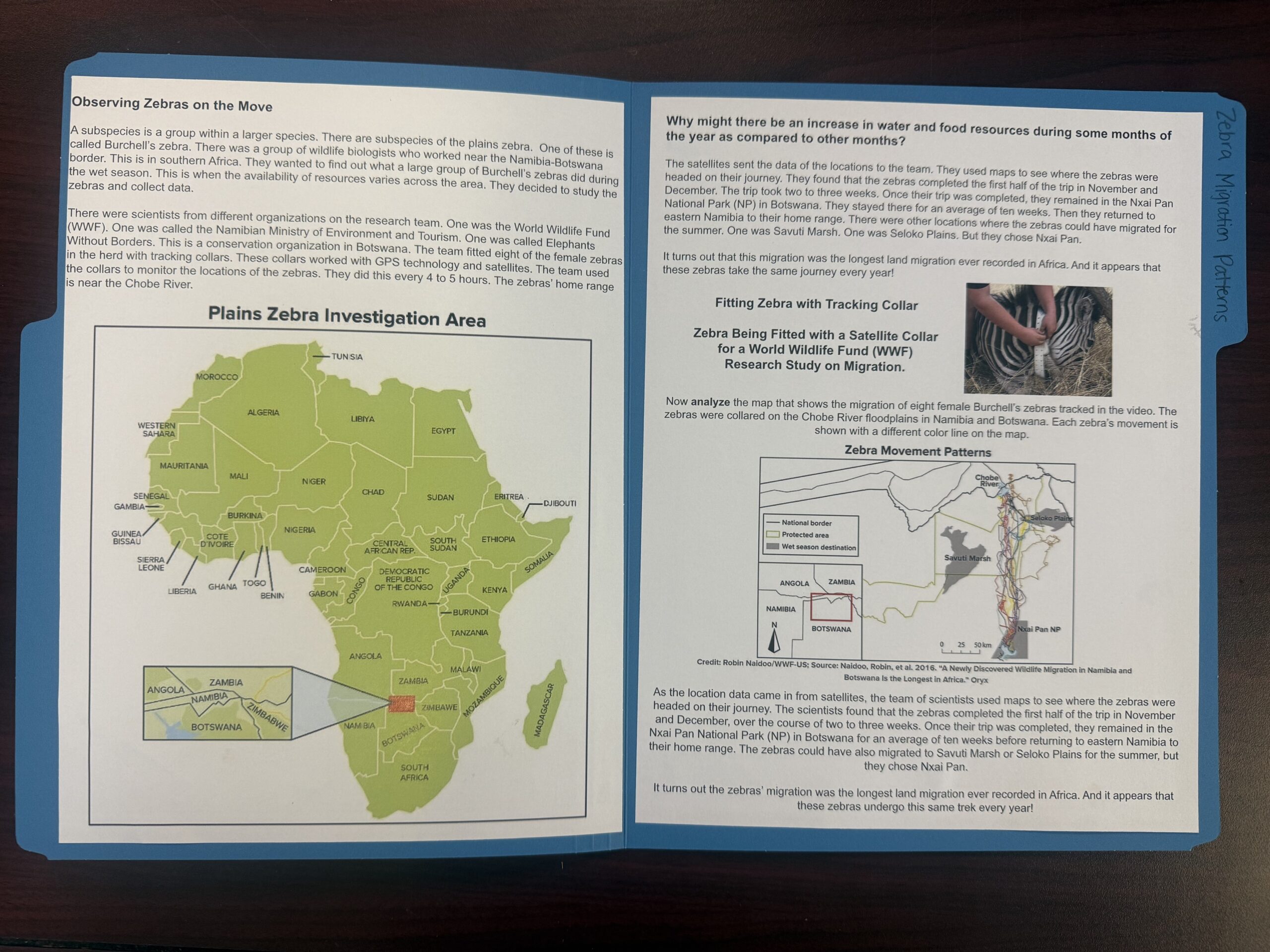
Boykin’s district employs a strategy in which they take readings from Discovery Education’s Science Techbook and create “case files” from them. “The idea behind the case files is to give students a purpose for reading,” said Boykin. “Rather than simply reading a passage and answering questions, students approach the text as investigators looking for evidence to explain a phenomenon or solve a problem.”
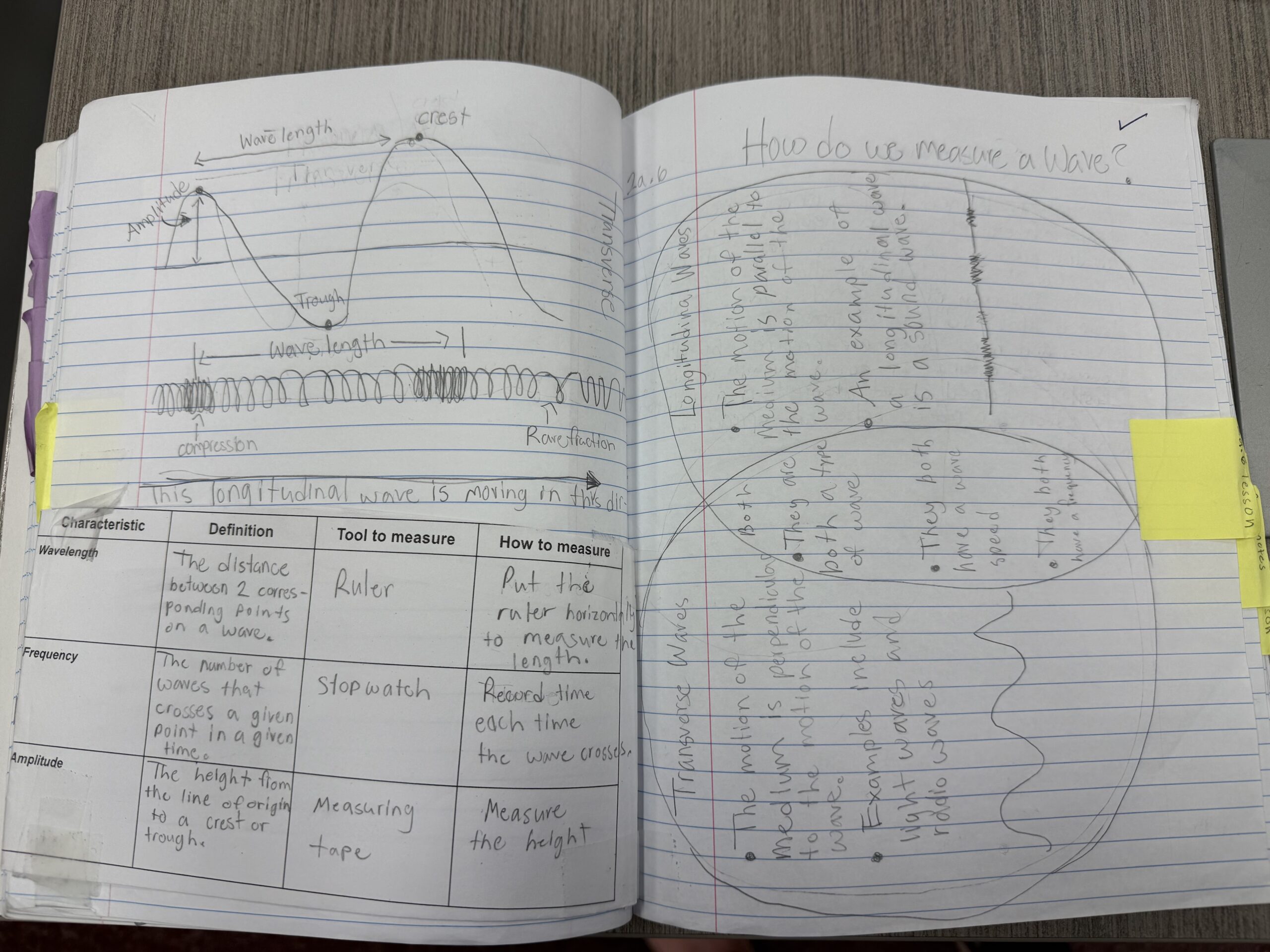
Another strategy Boykin’s district uses is science notebooking, in which students can record both their processing and learning. “Science notebooks provide a space for that processing, where students connect ideas, gather evidence, and develop explanations,” she said. “Pairing Science Techbook and science notebooks help students make sense of what they are learning and make their thinking visible as their understanding grows.”
Turning Wondering Into Understanding
All these instructional practices are ultimately leading to sensemaking. This looks different depending on the grade level and concept. Students might construct models to explain their thinking or analyze graphs and data to uncover patterns that help explain the phenomenon.
Teachers should support students, so they remain curious but don’t experience extreme frustration.
Boykin stresses that the greatest value for students comes from pairing Science Techbook’s resources with intentional instructional decisions like the ones mentioned above. In addition, these skills also connect directly to what students will encounter on her state’s science end-of-grade assessments.
“North Carolina recently revised our test with the incorporation of science and engineering practices. Now, students need to interpret graphs, charts, and models and use evidence to determine their answers,” she said.
“When students regularly engage in this work during instruction, assessment preparation becomes a natural extension of meaningful science learning.”
Whether it’s a blizzard, a tornado, or a bat hitting a ball, the spark of a good phenomenon is only the beginning. With the right resources and intentional teaching, science becomes something students do rather than something they’re told. And that’s the kind of learning that lasts well beyond the test.
Three Key Takeaways About Using Science Techbook
- Start with a phenomenon, then let students wonder. Curiosity begins with phenomena that can be observed. Teachers should resist handing over answers too quickly, because the productive struggle of working toward an explanation is what makes learning stick.
- Put student questions at the center. Tools like driving question boards and “burning question” boards capture students’ authentic questions and keep curiosity alive. The goal is for students to leave with an explanation they constructed themselves, not one they simply remember from the teacher.
- Science is literacy, and it all leads to sensemaking. Reading, writing, speaking, and listening help students make sense of phenomena, whether through “case files” that give reading a purpose, science notebooks, or models and data analysis. Pairing Science Techbook with these intentional teaching choices also prepares students for assessments that now ask them to use evidence from graphs, charts, and models.