As an elementary STEM teacher, I can confidently say that planning for a substitute sometimes feels more complicated than planning the lesson itself. In a classroom built on hands-on exploration, collaboration, and problem-solving, being out for a day requires more than leaving a worksheet and hoping for the best.
And while my specialty is STEM in an elementary setting, every educator—regardless of grade level or content area—faces the same challenge: how do we ensure learning continues smoothly when we’re not there?
Effective substitute planning is about clarity, structure, and providing meaningful learning experiences that can stand on their own. When teachers have access to ready-to-use, standards-aligned, engaging resources, planning for an absence becomes less stressful—and far more sustainable.
Discovery Education Experience makes that possible.
Why Substitute Planning Feels So Complicated
Substitute plans carry unique challenges:
- Lessons must be clear enough for someone unfamiliar with your routines.
- Activities must engage students independently.
- Instructions must anticipate questions before they happen.
- Learning must continue—even when you’re not in the room.
The goal isn’t simply to “keep students busy.” It’s to keep them learning.
Having consistent, reliable digital resources helps transform substitute days from survival mode into structured, purposeful instruction.
Tip 1: Use Consistent Tools to Build Substitute Confidence
Students thrive on routine. When substitutes can use tools students already know—like Discovery Education Experience—the classroom feels familiar and organized.
Instead of navigating unfamiliar materials, substitutes can:
- Launch ready-made activities
- Assign interactive resources
- Facilitate structured discussions using built-in prompts
- Guide students through self-paced learning experiences
Because students are comfortable with the platform, they can focus on content rather than confusion.

Tip 2: Choose Plug-and-Play Resources by Grade Band
Discovery Education Experience offers flexible resources that work seamlessly in substitute plans across grade levels and subject areas.
Elementary: Structured Exploration
For younger learners, clarity and visual engagement are key.
- Virtual Field Trips allow students to explore new topics while completing guided reflection prompts.
- Spotlight on Strategies (SOS) activities such as Three Facts and a Fib or Circle of Viewpoints provide structured thinking routines that substitutes can easily facilitate.
- Studio Boards organize directions, videos, and student tasks into one clear space.
💡 Tip: Create a pre-built Studio Board titled “Sub Day Learning.” Include a welcome message, clear instructions, a video segment, and a short reflection prompt. Everything the substitute needs is in one link.
Middle School: Guided Inquiry and Choice
Older students benefit from structured independence.
- Ready-to-Use Activities aligned to standards keep instruction moving forward.
- Instructional slides and video segments allow substitutes to pause for discussion.
- Collaborative prompts encourage accountable talk without requiring deep content expertise from the substitute.
Example prompts a substitute can use:
- What is one new idea you learned today?
- How does this connect to something we previously studied?
- Why might this information matter beyond the classroom?
These types of questions keep thinking visible and discussions purposeful.
High School: Self-Directed Learning with Accountability
At the secondary level, substitute plans can incorporate:
- Career Connect resources for real-world relevance
- Civics Connected or STEM Channels for subject-specific exploration
- Short video analysis paired with written reflection to maintain rigor
💡 Tip: Pair a video segment with a structured response strategy such as a digital Venn diagram or a Claim-Evidence-Reasoning paragraph using Studio. This ensures meaningful output rather than passive viewing.
Tip 3: Build a Digital “Sub Folder” for Emergencies
Instead of starting from scratch each time you’re out, consider building a reusable digital substitute folder inside Discovery Education.
Include:
- Two or three emergency ready-to-assign activities per subject
- A favorite Virtual Field Trip
- An SOS strategy students already know
- A simple discussion protocol
- Clear login and classroom management directions
When everything lives within one consistent ecosystem, substitute planning becomes streamlined and far less stressful.
Tip 4: Empower Students to Own Their Learning
One unexpected benefit of using Discovery Education for substitute plans is the growth in student independence.
Because resources are interactive and structured:
- Students navigate learning confidently.
- Directions are embedded and easy to follow.
- Engagement increases through multimedia and inquiry-based tasks.
Rather than pausing progress, a day with a substitute can reinforce digital literacy, collaboration, and self-management skills.

Tip 5: Sustain Instruction With High-Quality, Ready-to-Use Content
In my STEM classroom, I want students to continue questioning, designing, and thinking critically—even if I’m not physically there. The same is true for every classroom. Whether students are analyzing primary sources, solving equations, exploring scientific phenomena, or engaging in civic discussion, learning should not lose momentum.
Substitute planning doesn’t have to feel like an interruption. With the right tools, it becomes an extension of your classroom environment.
Discovery Education Experience supports continuity by offering:
- Standards-aligned, ready-to-use content
- Interactive strategies that promote active learning
- Flexible tools like Studio for organized delivery
- Grade-appropriate resources across subject areas
With thoughtful systems in place and trusted tools like Discovery Education Experience, substitute days can still be purposeful, engaging, and aligned to your goals. Students continue exploring, questioning, analyzing, and creating. Substitutes step into a structured environment with confidence. And teachers gain peace of mind knowing their classroom culture and momentum remain intact. Great classrooms don’t skip a beat—they simply adjust, adapt, and keep learning right on schedule.
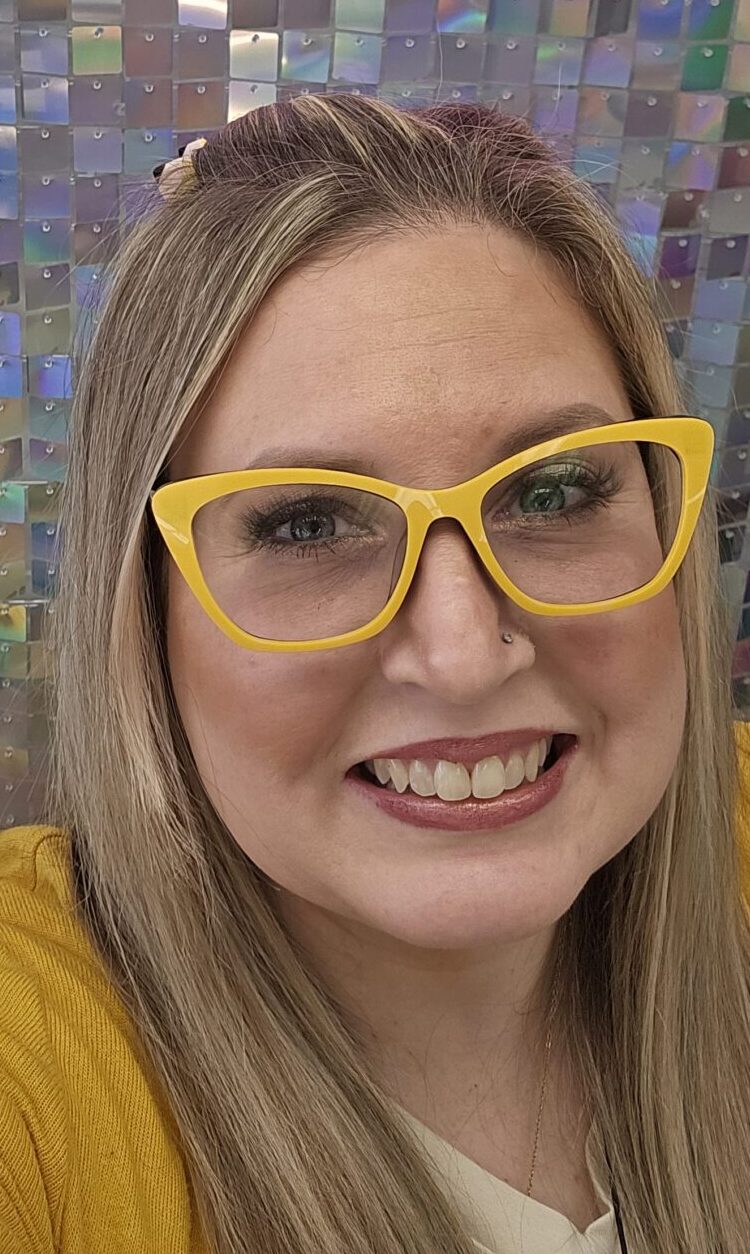
Leia DePalo
Leia DePalo is a K-4 Elementary STEM and Future Forward Teacher in the Northport-East Northport UFSD who loves helping students explore, design, and think like engineers while supporting teachers in using technology with purpose.