Key takeaways
-
Career clusters help students explore future career paths by organizing jobs and industries into broad, easier-to-understand categories.
-
The 16 career clusters give students a starting point for connecting their interests, strengths, coursework, and goals to real-world opportunities.
-
Choosing a career cluster should not lock students into one path. It should help them ask better questions, explore options, and make more informed decisions.

“What do you want to be when you grow up?” It’s a question we ask kids all the time, but for many students, it is not an easy one to answer. Most students know what they enjoy, such as science, technology, helping others, building things, or being creative, but they may not know how those interests connect to real careers.
That is where career clusters can help.
As a superintendent, I often think about how schools can make learning feel more connected to life beyond graduation. This connects to the Portrait of a Graduate work that many districts are already doing. At its core, that work asks a simple question: what should students know and be able to do by the time they leave us? For most schools, the answer includes communication, critical thinking, problem-solving, collaboration, adaptability, and career readiness.
Career clusters and career exploration should feel like a starting point for students. Most adults do not follow one straight career path. People change jobs, switch careers, and rethink their goals over time. With that in mind, the goal is not to lock students into one path. It is to help them learn more about themselves, understand the options available to them, and build skills they can use wherever they go next.
What Are Career Clusters?
Career clusters group similar careers based on the skills, knowledge, and types of work they share. They give students, families, and educators a clearer way to sort through a wide range of career options.
The benefit of career clusters is that they provide students with a starting point. A student does not need to know right away whether they want to be a nurse, a physical therapist, a lab technician, or a physician. They can begin with the Health Science cluster and then learn more about the specific pathways within it.
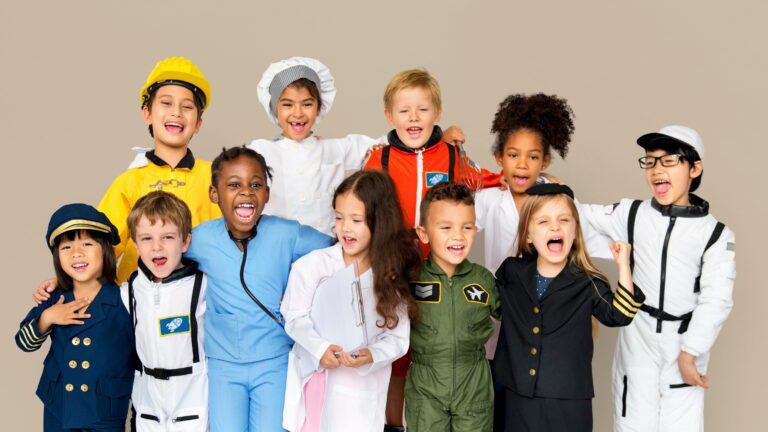
Giving students a place to start career exploration matters because many of them only know about the careers they have seen directly. Career clusters help them move from the familiar to the possible. They may already know about teachers, doctors, police officers, or business owners, but they may not know as much about logistics, cybersecurity, agricultural technology, advanced manufacturing, environmental science, public administration, or digital media.
It also helps us, as schools, have better conversations with students about the classes they choose, the electives they take, and the career and technical education programs or work-based learning opportunities they may want to explore. When students can see how what they are learning connects to future opportunities, school feels more meaningful.
It is also important to point out that career clusters do not replace strong academic programs. Students still need to build skills in reading, writing, math, science, communication, and problem-solving. Those skills matter no matter what career path a student eventually chooses. Career clusters simply help students see how those skills can be used in different settings.
What Are The 16 Career Clusters?
The 16 career clusters provide a framework for helping students explore different fields of work. Each cluster includes many careers, pathways, and levels of education or training. Some careers require a four-year college degree or a graduate degree. Others may require an associate degree, technical training, an apprenticeship, industry certification, military training, or on-the-job experience.
That is an important point for students to understand. There is more than one way to build a successful future. College is the right path for many students, but it is not the only path. Career readiness should help students see the full range of options available to them and understand what each path may require.
Here is a closer look at the 16 career clusters and how students might begin thinking about each one.
Agriculture, Food & Natural Resources
The Agriculture, Food & Natural Resources cluster includes careers connected to farming, food production, animal science, natural resources, environmental systems, and sustainability. Students who enjoy science, the outdoors, animals, plants, conservation, or food systems may find this cluster interesting. It can include careers in agricultural business, veterinary science, forestry, environmental protection, food science, soil science, and renewable natural resources.
Architecture & Construction
Architecture & Construction focuses on the design, planning, construction, and maintenance of structures. It includes careers in architecture, construction management, carpentry, electrical, plumbing, HVAC, and engineering-related fields. For students who like hands-on work, design, problem-solving, or seeing a project move from an idea to a finished product, this cluster can be very interesting.
Arts, Audio/Video Technology & Communications
The Arts, Audio/Video Technology & Communications cluster includes careers in visual arts, design, journalism, broadcasting, video production, performing arts, digital media, and communication. Students who enjoy creating, designing, performing, writing, or producing may be drawn to this cluster. These careers often require creativity, technical skills, collaboration, planning, and communication.
Business, Management & Administration
Business, Management & Administration includes careers related to running organizations, managing people, planning projects, and helping businesses function effectively. Students interested in business, entrepreneurship, organization, or problem-solving may want to explore this cluster. Business-related skills apply to many industries, including health care, finance, construction, technology, nonprofits, and government.
Education & Training
The Education & Training cluster includes careers focused on teaching, training, and helping people develop knowledge and skills. This includes classroom teachers, teaching assistants, school counselors, administrators, and early childhood educators. As a superintendent, I can attest to just how important this cluster is. Schools depend on talented educators and support professionals who care about students and understand how to help them learn and grow.
Finance
Finance includes careers in banking, accounting, insurance, investing, financial planning, and business finance. Students who enjoy numbers, analysis, planning, organization, or helping people make informed decisions may be interested in this area. Financial literacy is also important for every student, even those who do not plan to pursue a career in finance.
Government & Public Administration
The Government & Public Administration cluster includes careers in public service, policy, local government, planning, and public administration. Students who are interested in leadership, community issues, government, law, public policy, or civic responsibility may want to explore this cluster. It helps students understand that communities need people who are willing to serve, organize, plan, and make decisions that affect others.
Health Science
Health Sciences includes careers focused on helping people maintain or improve their health. This includes doctors, nurses, physical therapists, dental hygienists, pharmacists, medical laboratory technicians, emergency medical technicians, and many other health-related roles. Some health science careers require advanced degrees, while others may begin with certification, an associate degree, or technical training. That helps students understand that there are many different ways to enter the health science field.
Hospitality & Tourism
The Hospitality & Tourism cluster includes careers in restaurants, lodging, travel, recreation, event planning, tourism, and customer service. Students who enjoy working with people, planning experiences, organizing events, cooking, or traveling may find this cluster appealing. It also helps students see the importance of communication, professionalism, teamwork, and customer service.
Human Services
Human Services focuses on helping individuals and families meet personal, emotional, and social needs. It includes careers in counseling, social services, family support, community services, and mental health support. Students who are empathetic, patient, good listeners, and interested in helping others may be drawn to this cluster. It also helps students understand the value of compassion, confidentiality, communication, and trust.
Information Technology
The Information Technology cluster includes careers related to computers, AI, networks, software, cybersecurity, data, technical support, and digital systems. Students who enjoy technology, coding, troubleshooting, or systems thinking may want to explore this cluster. It is also an important area for students to understand because technology is now part of almost every field of work.
Law, Public Safety, Corrections & Security
The Law, Public Safety, Corrections & Security cluster includes careers focused on protecting people, enforcing laws, responding to emergencies, and supporting public safety. Students who are interested in law, helping others, emergency response, investigation, safety, or community protection may be interested in this cluster. It is a good fit for students who can handle responsibility, communicate clearly, make sound decisions, and remain calm under stress.
Manufacturing
Manufacturing includes careers in automation, quality control, production, robotics, machining, and advanced manufacturing. Students who enjoy hands-on work, technology, mechanics, or problem-solving may be interested in this cluster. Today’s manufacturing is highly technical and often involves robotics, computer-controlled systems, and emerging technologies such as AI.
Marketing, Sales & Service
The Marketing, Sales & Service cluster includes careers focused on promoting products, understanding customers, building brands, selling goods or services, and supporting customer relationships. Students who enjoy communication, creativity, social media, business, design, or working with people may be interested in this cluster. It can help students see how communication, creativity, business skills, and data work together in many different careers.
Science, Technology, Engineering & Mathematics
The Science, Technology, Engineering & Mathematics (STEM) cluster includes careers that often require scientific research, engineering, math, design, testing, and innovation. These careers often involve creating new solutions, improving existing systems, and using evidence to solve real-world problems. Students who enjoy asking questions, solving complex problems, experimenting, building, analyzing data, or understanding how things work may be interested in this cluster.
Transportation, Distribution & Logistics
Transportation, Distribution & Logistics includes careers related to moving people, products, and materials safely and efficiently. This includes aviation, automotive technology, trucking, shipping, storage, supply chain management, logistics planning, and maintenance. Students who enjoy vehicles, systems, planning, mechanics, operations, or problem-solving may be interested in this cluster.
5 Tips for Choosing a Career Cluster
Choosing a career cluster should be an intentional process, but it should not feel like a final decision. It is important to remember that students are still learning about themselves. Their interests can, and often will, change as they are introduced to new classes, experiences, and opportunities. The goal is simply to help students begin exploring their options with more purpose.
1. Use Interests as a Starting Point, Then Look Deeper
Interests are a good place to start when students explore career clusters. They can help students start to recognize patterns in what they enjoy, what they are curious about, and what types of work may be worth exploring further.
Schools can support this by using career interest inventories. A career interest inventory can help students identify potential career clusters based on their interests and strengths.
As they explore potential career clusters, students should also consider their skills, values, work habits, and the kinds of environments where they may be most successful. This helps students move beyond what sounds interesting and begin thinking more clearly about what may be a potential long-term fit.
2. Connect School Subjects to Career Possibilities
Students sometimes separate school from the “real world.” Career clusters can help close that gap.
A student who likes math may want to explore Finance, Information Technology, Architecture & Construction, Manufacturing, or STEM. A student who enjoys writing may want to explore Arts, Audio/Video Technology & Communications, Marketing, Education, Government, or Law. A student who enjoys science may connect with Health Science, Agriculture, STEM, or Manufacturing.
This does not mean students need to love every subject. It means they should start noticing where their strengths show up. Sometimes a class gives students a clue about a future pathway they had not considered before.
3. Explore Several Career Clusters
Students do not need to just choose one career cluster. In fact, exploring more than one can be helpful.
Many careers overlap across clusters. A student interested in sports may explore Health Science, Marketing, Education, Hospitality, or Business. A student interested in technology may explore Information Technology, STEM, Manufacturing, or Finance. A student interested in helping people may explore Human Services, Health Science, Education, Law and Public Safety, or Government.
Exploring more than one cluster helps students compare different possibilities and keeps them from narrowing their options too soon.
4. Learn from People Doing the Work
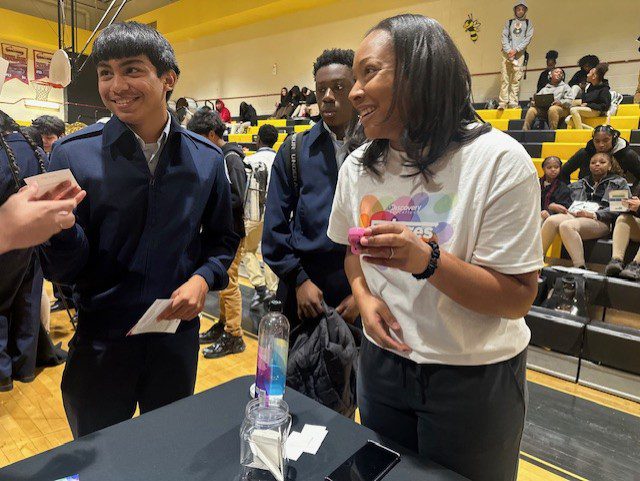
Career exploration is more meaningful when students hear from people who actually work in a field. Guest speakers, career days, job shadowing, internships, and virtual connections can all help students understand what different careers are really like.
Students should leave these experiences with a clearer picture of what different careers actually involve. They should understand what a typical day looks like, which skills are most important, what training may be required, which parts of the work can be challenging, and what people often find rewarding. They should also begin to understand what steps can help them get started.
This is one of the places where schools can have the biggest impact. When educators connect students with real professionals and real workplace examples, career exploration becomes easier to understand. Students can begin to see what different careers actually look like and imagine where they might fit.
5. Focus on the Next Step, Not the Whole Future
Students do not need to map out their entire future before they take the next step.
Choosing a career cluster does not lock students into one path. It gives them a place to begin.
The next step may be choosing an elective, joining a club, taking a CTE course, attending a career fair, researching a career, talking with a counselor, visiting a workplace, or learning about certification programs. For older students, it may also mean comparing college programs, military options, or workforce training opportunities.
The question should not always be, “What do you want to do for the rest of your life?” For many students, that can feel too big. A better question to ask is, “What would you like to learn more about next?”
That shift matters. It helps students continue exploring without making the process feel overwhelming.
Career Clusters Help Students Connect School to Their Future
Career clusters help students see more possibilities for themselves and understand that the skills they are building in school have value beyond the classroom. Reading, writing, problem-solving, collaboration, creativity, professionalism, and perseverance all matter in the workplace. Students need to hear that message often and see what it looks like in real careers.
These clusters also help schools have better conversations with students and families. Instead of treating career planning as something that happens only near graduation, schools can introduce career exploration earlier and build on it over time. Younger students can learn about broad areas of work, middle school students can explore interests and strengths, and high school students can connect those interests to courses, pathways, credentials, college programs, and ultimately, career goals.
The 16 career clusters are helpful because they give students a way to organize their options. They do not make the decision for the student or determine the path they must follow. Instead, they help students better understand the range of possibilities available to them. For many students, that added clarity can make a real difference.
Career readiness is not about pushing students toward a specific job. It is about helping them understand their options, build useful skills, and prepare for these opportunities. Career clusters give schools, families, and students a way to start that process.
In today’s world, students need more than academic knowledge to succeed after graduation—they need real-world skills, confidence, and the ability to adapt to an ever-changing workforce.
Students don’t become career-ready just because they complete the traditional requirements for graduation. They develop these skills when schools provide purposeful learning, real experiences, and connections to the world beyond the classroom.
Understanding what career readiness is, why it matters, and how to build it into the school experience is essential for helping students succeed in college, careers, and life.