Key takeaways
-
College- and career-readiness standards help students build skills, explore options, and plan for life after high school.
-
These standards give schools a clearer focus for what students should know and be able to do before graduation.
-
Schools strengthen college and career readiness when classroom instruction, guidance, career exploration, and real-world learning work together.
Every school wants students to be ready for life after high school. That sounds simple, but it can mean different things for different students. One student may plan to attend a four-year college, while another may choose a community college, technical program, apprenticeship, military service, full-time work, or a career pathway that includes more than one of those options over time.
That is why readiness has to mean more than earning a diploma.
Students need academic skills, but they also need to know how to communicate, solve problems, manage responsibilities, use information, work with others, and make decisions about their future. They need to understand that what they learn in school connects to the choices they will make after graduation.
This is where college- and career-readiness standards become important. They give schools a way to think more clearly about what students need before they leave high school. They also help educators move beyond the idea that preparation is only about completing courses or passing exams.
Standards only matter if they show up in the regular work of schools. They should influence what students read, write, discuss, create, research, and solve. They should also connect to counseling, career exploration, and the way students learn about future opportunities.
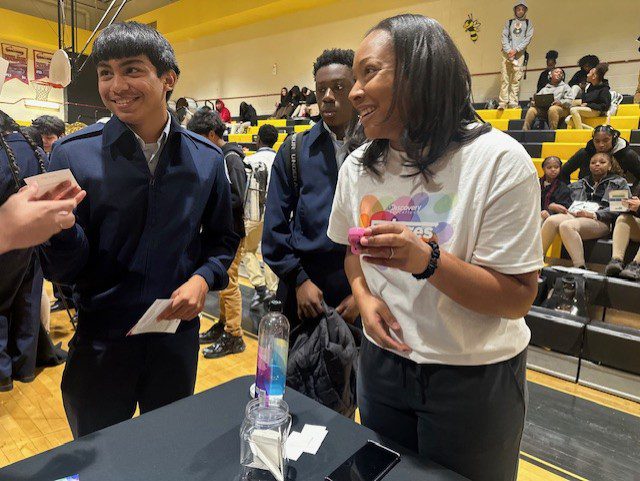
That connection is especially important when students are working with real examples, current issues, and career-connected experiences. A career-readiness program can help students see how classroom skills connect to real careers and future opportunities.
What Are College- and Career-Readiness Standards?
College- and career-readiness standards describe the knowledge and skills students need to be prepared for learning, work, and life after high school. These skills help schools identify what students should be able to do across grade levels and subject areas.
That may include reading complex texts, writing clearly, using evidence, solving problems, applying math, understanding scientific ideas, analyzing information, communicating effectively, and using technology appropriately. It also includes skills that matter beyond the classroom, such as organization, collaboration, persistence, and the ability to think through a challenge.
The phrase can sound formal, but the idea is straightforward: students should graduate with the skills to continue learning and take the next step.
A student who is ready for college should be able to handle more independent work, manage deadlines, read and write at a higher level, ask for help when needed, and think critically about information. A student who is ready for a career should be able to communicate, follow through, solve problems, learn new tools, work with others, and understand expectations in a professional setting.
Those two areas overlap more than people sometimes realize. A student preparing for engineering, nursing, teaching, manufacturing, business, cybersecurity, construction management, or public service will need both academic skills and workplace skills.
That is why these standards can be helpful. They give schools a clearer focus and remind everyone that preparing students for life after high school does not happen all at once.
They also push schools to ask the right questions. Are students writing and speaking enough? Are they using evidence? Are they working through problems that take more than one step? Are they seeing how academic skills connect to real careers and real decisions?
How to Align Curriculum with College- and Career-Readiness Standards
Aligning curriculum with college- and career-readiness standards is not about adding more material just to say more was taught. It is about looking closely at what students are learning and whether that work is helping them prepare for what comes next.
That begins with being clear and intentional about the skills students need to learn. Teachers and school administrators should know what students are expected to learn and practice at each grade level and in each subject. That may include things like reading for understanding, supporting writing with evidence, discussing ideas, applying math concepts, analyzing and using data, and explaining their thinking clearly.
Once schools are clear on the skills students need, they can take a closer look at the curriculum. The question is not only, “Did we teach the topic?” The better question is, “How did students have to engage with the topic being introduced?”
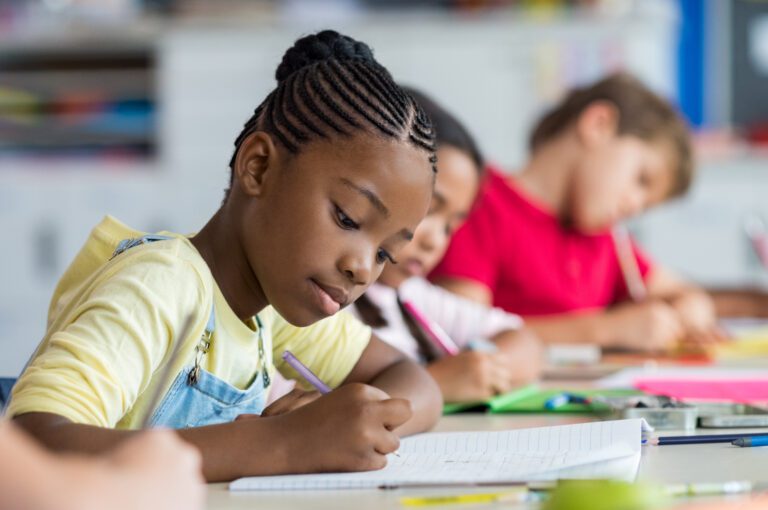
There is a difference between hearing about a concept and using it. Students may learn a formula, but can they apply it to a problem that is not set up exactly like the example? They may read an article, but can they explain the main idea, question the source, and use evidence from the text?
Curriculum alignment should help students move from knowing information to using information.
That also means schools should pay attention to the kinds of tasks students are given. If most assignments only ask students to recall information, they may not be getting enough practice with the skills they will need later. Students need opportunities to analyze, create, explain, revise, collaborate, and solve problems.
Assessment matters too. Students should have opportunities to demonstrate their understanding through writing, presentations, projects, performance tasks, labs, research, and other forms of applied learning. That does not mean every assignment has to include all of these or be a major project. A short written response, a discussion, a quick data analysis, or a comparison of two sources can also provide teachers with useful information.
Alignment also depends on people working together. Grade-level teams, departments, counselors, career and technical education teachers, special education teachers, and administrators all see different parts of a student’s experience. When they work together, they can help students build skills across courses rather than treating each class as separate.
Career connections should also be part of that work. Students benefit when they can see how reading, writing, math, science, technology, and communication appear across different fields. A career-readiness program can help teachers and students make those connections in more concrete ways.
The goal is not to force a career connection into every lesson. The goal is to help students understand that the skills they are building have value beyond the assignment in front of them.
How Are Schools Adapting for Modern-Day College- and Career-Readiness?
Schools are continually adapting because students are entering a world that is constantly changing. The core skills still matter; Students need to read, write, think, communicate, and solve problems. What is changing is where and how they are expected to use those skills.
Students now need to sort through large amounts of information, use digital tools, understand data, communicate in different formats, and adjust to new technologies.
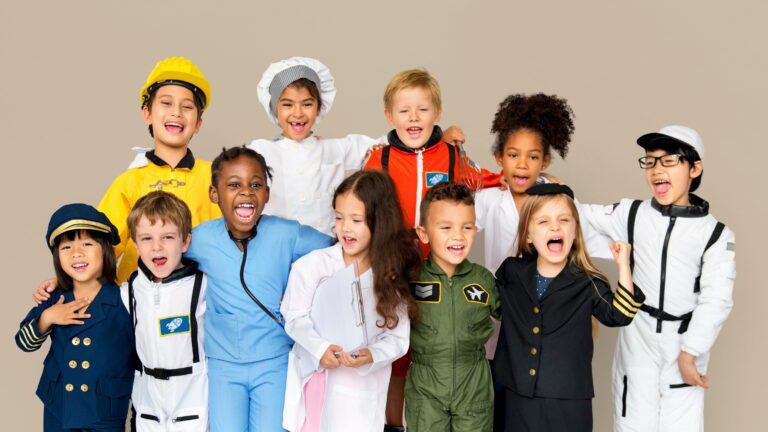
One way schools are adapting is by building more career exploration into earlier grades. Students should not first hear about career pathways when they are close to graduation. They need time to learn about different career fields, ask questions, understand requirements, and connect their interests to possible futures.
This does not mean asking young students to choose a career too early. It means exposing them to fields they may not have considered before.
Schools are also expanding hands-on and project-based learning. Students need chances to apply what they know. A well-designed project can help students research, plan, create, test, present, and revise. Those are the kinds of skills that are important in both college and career settings.
College and career readiness today also includes digital, information, and workplace skills. Students need to know how to find information, evaluate the quality of different sources, use technology responsibly, and communicate clearly in a variety of different settings. Just as important, they need to build skills they can take with them after graduation, including problem-solving, collaboration, responsibility, adaptability, and the ability to keep learning.
Building Readiness That Students Can Use
The most important work around college- and career-readiness standards helps students connect school to what comes next. That work should help teachers plan better lessons, give students clearer guidance, and make learning feel more connected to life after graduation.
Readiness should be evident in what we ask students to do. Are they reading carefully? Are they writing clearly? Are they using evidence? Are they solving problems? Are they learning how to work with others?
Those questions are important because students do not all take the same path after high school. Some will go to college, some will enter a technical program, some will go directly to work, and some will change direction more than once. Schools cannot map out every step for every student, but they can help students build the skills, confidence, and direction they need to move forward.
That is the real value of this work. It gives students more than a checklist of requirements. It gives them a better understanding of what they can do, what they may want to pursue, and what they need to keep learning.
Students deserve clear expectations, useful guidance, and real opportunities to think about life after graduation. College- and career-readiness standards can help schools stay focused on that work.