Key takeaways
-
When considering a technology-based career readiness program, ensure it earns its place in the classroom.
-
A program must develop students’ durable skills, such as critical thinking, problem-solving, and collaboration.
-
Daily instruction that includes real-world relevance and makes connections to a variety of careers over time helps motivate and inspire students.
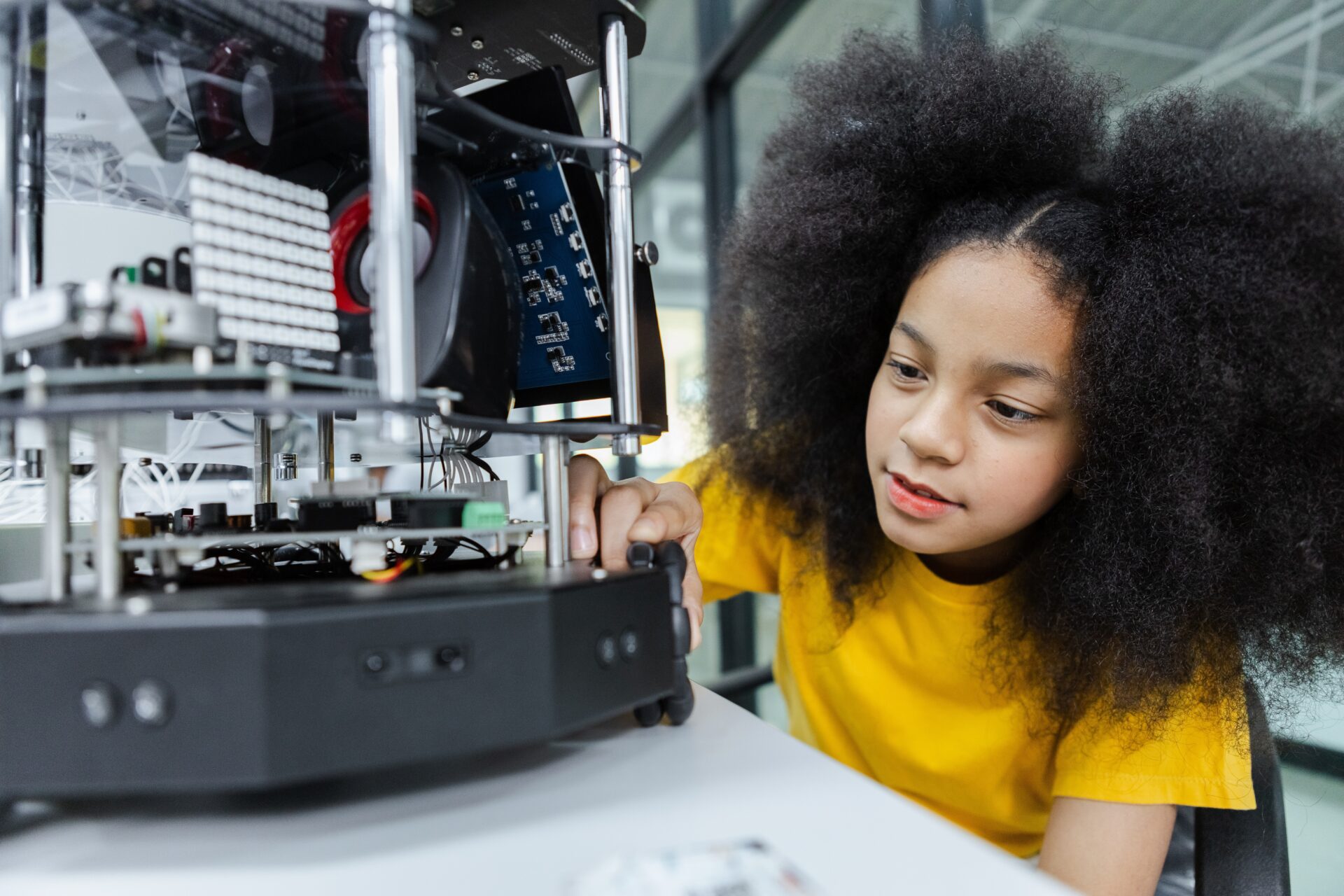
As recent technological developments and related industry responses change what K–12 career readiness means now, education leaders across the U.S. may want to take a closer look at their school or district’s approach to it. One significant change is in the types of skills students need to be successful in the workplace: durable, transferable skills like collaboration, communication, and problem-solving. And it’s become evident that it’s never too early to begin career-connected learning, especially if you want to build and sustain interest in STEM professions.
While there’s no single solution that will fit every school’s needs, adopting a new program that counts career-connected learning as part of its foundation may be a good option. In this article, we’ll walk through how to evaluate a career readiness program, so you can give your team the right resources to support effective instruction.
Does a Career Readiness Program Need Technology?
A career readiness program will likely incorporate technology in a variety of ways to give educators resources and tools that support engaging career-connected learning. You can start by looking for key education technology characteristics in general:
- Evidence of effectiveness
- Relevant, hands-on learning
- Real-world and career connections
- Teacher support and professional learning
Inspired by the idea that every technology should earn its place in the classroom, Discovery Education has created a resource that education leaders may want to keep handy: Learning by Design: A District Framework for Evaluating Classroom Technology. This framework establishes six dimensions for evaluating whether a technology was built to enable learning through distinct, technology-based instructional practices not easily replicated with print materials or offline activities.
Discovery Education Experience
With our instructional companion program Experience, you can see key education technology characteristics and distinct practices that support career readiness:
- Arizona study shows Experience impacts student achievement
- Hands-on activities
- Lessons with real-world relevance
- Career connections via immersive virtual reality
- A curated library of instructional strategies and variety of professional learning choices
What Should a Career Readiness Program Give Educators?
Career readiness programs should give educators the resources to accomplish three specific goals through instruction:
- Developing durable skills
- Demonstrating real-world applications of academic learning
- Highlighting career connections in daily instruction
Look for a program that brings coherence to these instructional elements to strengthen the results.
1. Developing Durable Skills
With the rise of AI and automation affecting many industries, it’s essential that a career readiness program build those durable skills that are in demand more than ever, such as:
- Critical thinking
- Problem-solving
- Adaptability
- Communication
- Collaboration
- Goal setting
Students who begin developing these skills as early as elementary grades will be better positioned to succeed in their chosen career path, whether that involves college, certifications, apprenticeships, or other pathways. Don’t overlook the importance of working goal setting into instruction, as long-term goals based on preparing for a profession can motivate students and shape coursework plans.
2. Demonstrating Real-World Applications of Academic Learning
When students can see how classroom learning applies directly to their lives, they show deeper learning than when they are not given real-world context. They also express greater interest in what they’re studying, which can spark career-related exploration as they decide what they might like to do as a profession.
Look for programs that connect unit topics and lessons directly to the real world through authentic problems and challenges that students will find relevant to their experiences. Technology could play a role in a career-readiness program as a vehicle for immersive learning, increasing engagement and strengthening understanding.
3. Highlighting Career Connections in Daily Instruction
Finding ways to bring professionals with a variety of backgrounds and job experience into the classroom, in person or virtually, can inform and inspire students regarding future possibilities. Perhaps a speaker is working in an industry that’s in demand or they took an unusual path to get where they are now. Rather than expecting educators to arrange all of this on their own, you could look for a program that has built-in connections to professionals and different workplaces.
Career Readiness with Cross-Curricular Experience
Experience helps educators meet all three goals with a diverse set of resources and tools that make it easy to embed career-connected learning into daily instruction and meaningfully engage students in career exploration. Here are some examples:
- Future-Ready Skills: Students have a structured, self-directed way to build communication, critical-thinking, and problem-solving skills. It supports districts with future-ready and college-and-career-readiness mandates without requiring a separate tool.
- Career Quest: By stepping into a real-world role and completing an authentic challenge, students build both career awareness and the critical-thinking, problem-solving, and communication skills they’ll need beyond school without a separate program or extra teacher prep.
- Careers Hub: By organizing career-connected resources by grade band and cluster, this hub enables educators to embed real-world relevance into any lesson or subject. Supports district Portrait of a Graduate and future-ready learning initiatives at scale.
- Career Connect: Bring the real world directly into the classroom through live connections with industry professionals, making learning tangible and memorable. Our network of Fortune 1000 partners gives students access to a unique set of voices and perspectives.
Conclusion
Today’s career readiness for K–12 students looks quite different from what it looked like just ten or 12 years ago. While you may not need to completely overhaul your systems and resources, adding a program that supports critical aspects of career-connected learning could make a significant impact. We hope this article provides some clarity about what program capabilities will best serve you, your team, and your students in the face of ongoing workplace change.
See how Discovery Education Experience strengthens career readiness with a demo.