
Key takeaways
-
Chronic absenteeism doesn't exist in isolation. High absenteeism rates, low academic achievement, and social disengagement are so intertwined that addressing one without the others is rarely enough.
-
Improving school attendance is most effective when schools start with a deliberate focus on personal engagement, strengthening each student's sense of belonging, purpose, and connection to their school community.
-
When all school staff, families, and community partners work together around the needs of individual students, schools are better equipped to make real, lasting progress.
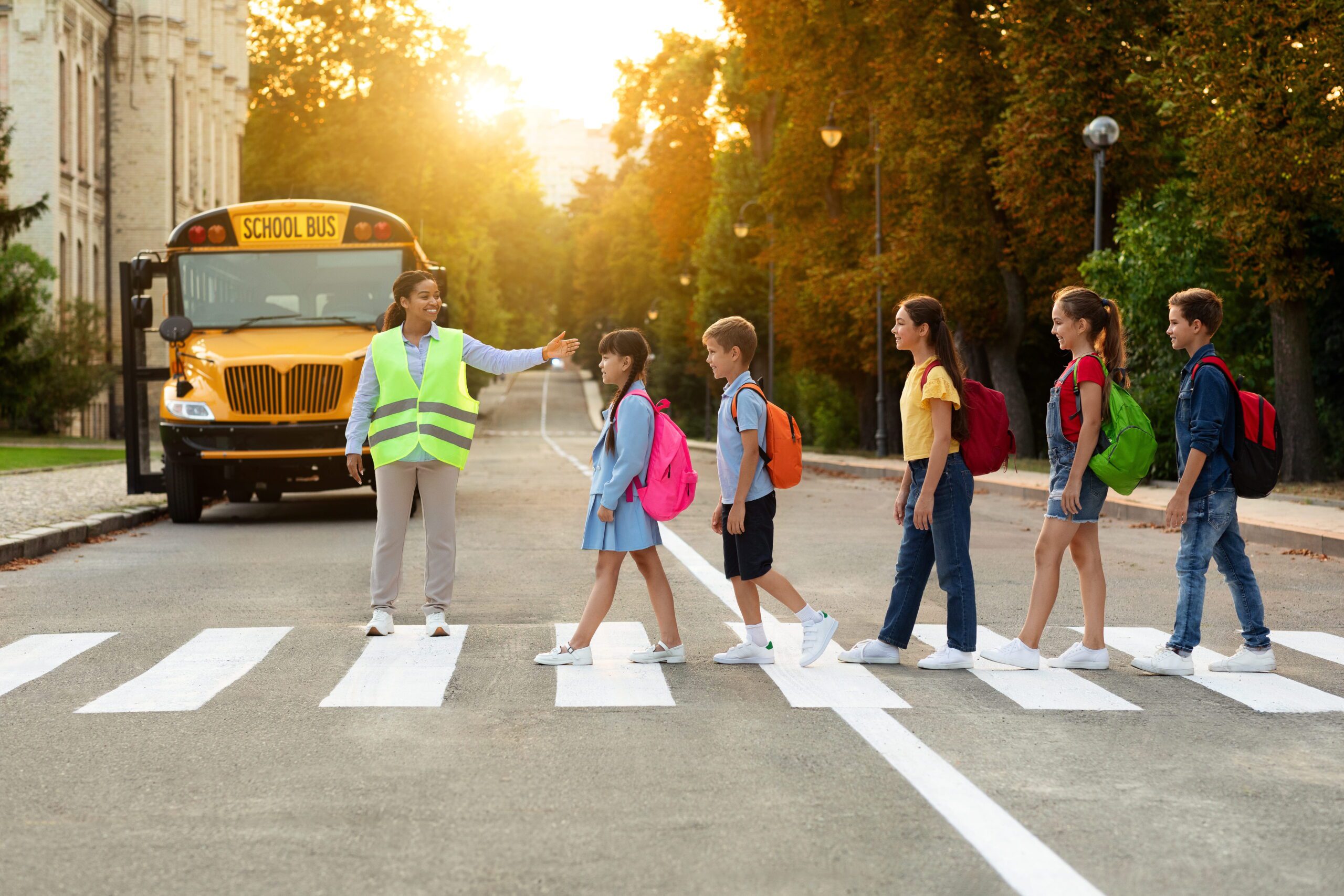
While the US Department of Education reports that chronic absenteeism rates are slowly improving following a post-pandemic surge, schools continue to face significant challenges with poor attendance. High absenteeism rates, low academic achievement, social disengagement, and high dropout rates are often so intertwined that it can be difficult to determine which is actually the root cause, leaving school leaders searching for strategies to improve school attendance.
Knowing where to start is a challenge in itself. Improving academic achievement depends on consistent attendance, while social-emotional interventions can take years to show results. Research and resources from K-12 online learning platforms confirm that student engagement is central to student success. Studies show that strategies focused on personal engagement — such as mentoring and building strong home-school connections — have immediate positive effects on student outcomes. For this reason, efforts to reduce chronic absenteeism may work best when schools start with a deliberate focus on strengthening students’ sense of belonging, purpose, and connection.
Explore K-12 Educational Leadership Resources
See how Discovery Education can support educational leaders.
5 Strategies for Improving School Attendance
1. Get the Right People in the Room
The first strategy is one of the simplest, yet most overlooked: get the right people in the room. Rather than limiting these conversations to teachers and administrators, invite bus drivers, cafeteria workers, instructional assistants, counselors, and coaches, as these adults often know students in ways the classroom never reveals. Together, your team should build a complete picture of each at-risk student: what they’re good at, what they care about, and who they trust. That knowledge isn’t just background information; it’s the raw material for interventions rooted in personal engagement and genuine connection.
2. Build School-Wide Routines that Create a Culture of Attendance
The second strategy is to build school-wide routines that create a culture of attendance before problems take hold. Schools that wait for absenteeism to surface are already behind. Small, consistent habits built into the school day can shift the culture early.
For students in preschool through second grade, teachers should greet each student by name and check in using visual feelings charts or soft start routines. At this age, feeling seen each morning can be the difference between a child who looks forward to school and one who doesn’t. For older students, morning meetings, advisory periods, and peer-connected recognition programs are natural opportunities to build attendance-focused routines – acknowledging improvement, not just perfection. Across all grade bands, celebrating attendance milestones through announcements or classroom recognition sends a clear message: showing up matters.
3. The Right People in the Building Taking Deliberate Action
The third strategy is perhaps the most personal: the adults in your building taking deliberate action to re-engage students who are losing their connection to school. What often makes the real difference is a single trusted adult who consistently shows up for a student.
Teachers can start small with a check-in at the door, a flexible seating option, or a low-pressure catch-up routine that lets a returning student ease back in without embarrassment. Counselors can offer support and work directly with families to find out what’s getting in the way. The school nurse can address chronic health concerns and facilitate a doctor referral when needed, removing a barrier that no attendance plan ever touched.
Support staff can play a critical role, too. A phone call that feels like a conversation rather than a consequence, or a connection to a local food pantry or family success center, can shift a family’s entire relationship with the school.
At every level, it comes down to the same thing: personal engagement. Not paperwork, not policy — people.
4. Deploy Supports for Chronic Absenteeism
The fourth strategy is for students whose absences have become severely chronic and who need a whole-school response that pulls every available resource around that child and their family.
Administrators should arrange a home visit or virtual meeting as a gesture that communicates urgency without blame. Teachers can modify expectations so reentry feels manageable rather than overwhelming. A simple reentry meeting with a staff member and parent present gives the student a supported way back in. Every severely chronically absent student should have an assigned mentor adult in the building, and a peer buddy on reentry days can make the transition feel less daunting.
When individual efforts fall short, the team must come together formally. A multidisciplinary team should develop a wraparound support plan, and the I&RS team should lead a formal review for long-term supports. When circumstances exceed what the school can handle, such as housing instability, safety concerns, or family crises, referrals to DCP&P, community housing support, or crisis response teams may be necessary. Throughout it all, keep the student included in class or school recognition. It’s a small thing that signals they still belong here.
5. Celebrate Presence
The fifth strategy shifts attention from responding to absence to celebrating presence. Morning announcements, hallway displays, or classroom streak charts tell students that showing up is noticed. Sticker charts and small rewards work well for younger students. For older students, a genuine shout-out from a coach or a note home often lands harder than any certificate.
Celebrate progress, not just perfection. A student who went from missing three days a week to missing one has done something worth acknowledging — and saying so out loud matters.
Figuring out how to improve school attendance isn’t a problem any single strategy, person, or program can solve. But when schools treat attendance as everybody’s business – every adult, every family, every student – things start to change. These five strategies won’t look identical in every building, but the goal behind each one is the same: create a place where students want to show up, feel noticed when they do, and are genuinely missed when they don’t.