Key takeaways
-
College and career readiness starts before high school and should be part of the full student experience.College and career readiness starts before high school and should be part of the full student experience.
-
Students need strong instruction, clear guidance, career exposure, and opportunities to apply what they are learning.
-
Schools support readiness best when classroom learning, advising, families, and future planning are connected.

For many years, schools treated college and career readiness as two separate paths. Some students were prepared for college, while others were prepared for work. That approach no longer reflects what students need after high school.
Students need preparation that reflects the different paths they may take after high school, whether they go to a four-year college, attend a community college or technical program, enter the military or workforce, or move through more than one of those options over time.
That is why college and career readiness has to mean more than just helping students meet graduation requirements. Students still need to know how to read, write, think, communicate, use information, solve problems, and make decisions about their future, but they also need time to understand what different options actually require. How to support college and career readiness starts with helping students connect those skills to real choices and next steps.
Schools play an important role in that work. They cannot choose a student’s future, but they can help students see more possibilities, build useful skills, and understand the steps in front of them.
What Is College and Career Readiness?
College and career readiness means the students leave high school with the knowledge, skills, and direction they need to take the next step. That next step may look different for each student, but the need for preparation is the same.
College and career readiness is not really about choosing one set of skills over another. Students who plan to attend college need to manage time, handle more independent work, read carefully, write clearly, study, ask for help, and work through complex information. Students who plan to enter the workforce need many of those same skills, along with the ability to communicate, solve problems, work with others, learn new systems and tools, and understand workplace expectations.
The point is that these skills are interconnected; students need academic and workplace skills, as well as the confidence to use both after graduation.
That is why readiness should not be limited to a single department, course, or meeting during senior year. It should be part of how students learn, how they are advised, and how they connect school to life after graduation.
An effective career readiness program can help students make those connections by giving them exposure to real careers, real skills, and real workplace expectations.
1. Start Career Awareness Earlier
Students should not first hear about career pathways when they are close to graduation. By then, some students have already made college choices, ruled out options, or formed ideas about what they can and cannot do.
Career awareness should begin earlier and build over time.
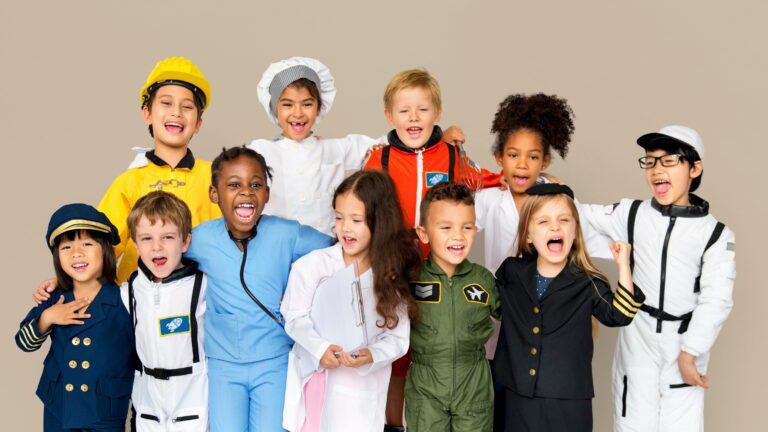
In elementary and middle school, this does not mean asking students to pick a career. It means helping them learn about different kinds of work, understand that people take different paths, and see how their interests can connect to future opportunities.
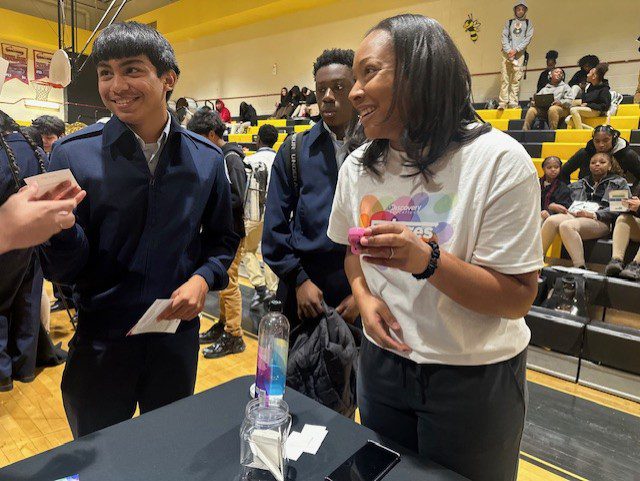
Schools can take simple steps to provide students with opportunities to explore. That might include classroom discussions, career-connected videos, guest speakers, projects, field trips, or short activities that demonstrate how skills are used across different careers.
The goal is not to force students into one path or another too early; it’s to expose them to more options and understand what each requires.
2. Connect Learning to Real-World Uses
Students better understand the value of school when they can see how those skills are used beyond the classroom. Reading, writing, math, science, technology, and communication are not just things students need to do in school; they are used every day in the real world and in the workplace.
That does not mean every lesson has to turn into a career activity. It means teachers should look for natural ways to connect learning to the world students are preparing to enter.
A math lesson might connect to budgeting, measuring, comparing costs, or understanding data. A science lesson might connect to health, energy, food, weather, or local environmental issues. A writing assignment might connect to emails or other forms of communication students may use outside of school.
These kinds of connections help students see that the work they are being asked to do has value; it also helps them practice using these skills in more meaningful ways.
Schools can support this by giving teachers access to strong examples, updated resources, and time to plan. A career readiness resource can also provide teachers with examples and materials to connect classroom instruction to careers and real-world learning.
When students see how skills are used, they are more likely to understand why those skills matter.
3. Make Advising Clear and Consistent
Advising is one of the most important parts of the college and career readiness process, but it cannot be limited to just scheduling courses for the next school year. Students need help understanding options, requirements, timelines, costs, and next steps.
That includes discussing important information, including graduation requirements, college admissions, financial aid, technical programs, military pathways, industry credentials, and career options with students and their families.
When meeting with their school counselor, many students do not know what questions to ask. They may not understand the difference between a certificate program and an associate degree, how financial aid works, or which career fields require specific high school courses, certifications, exams, or training.
Schools can help by making advising more consistent and easier to understand. Students should receive guidance well before important decisions are made, not after opportunities have passed.
This work also needs to be repeated. A single meeting is not enough. Students need opportunities to revisit their plans, ask new questions, and adjust as they learn more about themselves and their options.
Advising should help students understand where they are, where they may want to go, and what steps can help them get there.
4. Help Students Use What They Learn
Students need chances to apply what they are learning in school; that is one of the most effective ways schools can support career and college readiness.
Applied learning can take many forms, including projects, research, presentations, design challenges, internships, and service learning. What matters is that students are doing more than just completing an assignment; they are thinking, creating, explaining, solving problems, and communicating effectively.
While this type of learning helps students practice skills they will need later, it also gives teachers a better understanding of what students can actually do with what they know.
A student may understand a concept on a worksheet but struggle to apply it to a new situation. Another student may demonstrate understanding more clearly through a presentation, a project, or a hands-on task. Applied learning creates more ways for students to demonstrate growth.
Schools need to be very clear about how this work is designed. Applied learning should not be busywork or a project added on at the end of a unit. It should be designed to intentionally connect to the learning goals and still include clear instruction, structure, feedback, and expectations.
When done well, applied learning helps students move beyond completing assignments and start actively using the skills they are building.
5. Make CTE Part of College and Career Readiness
Career and technical education should not be viewed as separate from college preparation. For many students, CTE can be an important part of both college and career planning.
A strong CTE experience can help students explore a career field, build technical skills, earn credentials, and better understand what a career pathway may require. It can also strengthen academic skills.
The value of CTE is not only about whether a student takes a job in that field right after high school. Some students will, but others may go to college, change direction, or use what they learned in a different setting.
CTE helps students learn more about themselves. It gives them a better understanding of what they enjoy, what they are good at, and what they may want to pursue next.
Schools can support college and career readiness by making CTE part of the broader conversation about student pathways, rather than a separate option only for certain students.
6. Prepare Students With Skills That Last
College and career readiness is not only about knowing which career sounds interesting or which college a student may attend. Students also need to be exposed to skills that help them handle challenges, manage responsibilities, and keep learning.
That includes communication, organization, collaboration, problem-solving, adaptability, and follow-through. It also includes digital skills, such as evaluating sources, using technology responsibly, and communicating clearly in a variety of different settings.
These skills are built through regular school experiences while students work in groups, revise work after receiving feedback, explain their thinking, manage a project, solve a problem, or ask for help.
Schools can reinforce this connection by highlighting these skills when they appear, providing students with regular chances to practice them, and helping students see how these skills relate to life after graduation.
Students should understand that readiness is not just about their grades on a final transcript. It is also about how they approach work, respond to challenges, and make decisions.
How Has College and Career Readiness Changed Over the Last 5 Years?
The idea of college and career readiness has changed because the world students are entering has changed.
Five years ago, many conversations focused on whether students were prepared for college, had taken the right courses, or had a general career plan. Those questions still matter, but they are no longer enough.
Students now need to understand all available pathways. They need to think about college, technical training, military service, work-based learning, and careers that may continue to evolve.
The school’s role in college and career readiness has also changed. Schools are being asked to help students connect academic learning to future planning in more direct ways. Families want clear, accurate information, employers want students who can communicate, solve problems, and learn, and students want to know why the work matters.
That is why college and career readiness can no longer supplement the school experience. It needs to be actively connected to instruction, advising, career exploration, CTE, student support, and family communication.
Supporting Readiness in a Way Students Can Use
How to support college and career readiness comes down to making the work clear, connected, and ongoing.
Students still need strong classroom instruction. They also need guidance from adults who understand different pathways, opportunities to explore careers and apply what they are learning, clear information for families, and time to build the skills and confidence to make decisions about their future.
College and career readiness is not about having all the answers before graduation. It is about ensuring students leave school with a stronger understanding of their options, the skills to continue learning, and the confidence to move forward.
That is where schools can make a real difference.