Key takeaways
-
Classroom community building activities are a great tool for helping students get to know one another better throughout the school year.
-
Integrating classroom community building activities can increase a sense of safety in the classroom.
-
Incorporate one or two classroom community-building activities, and build slowly from there based on your students’ needs.
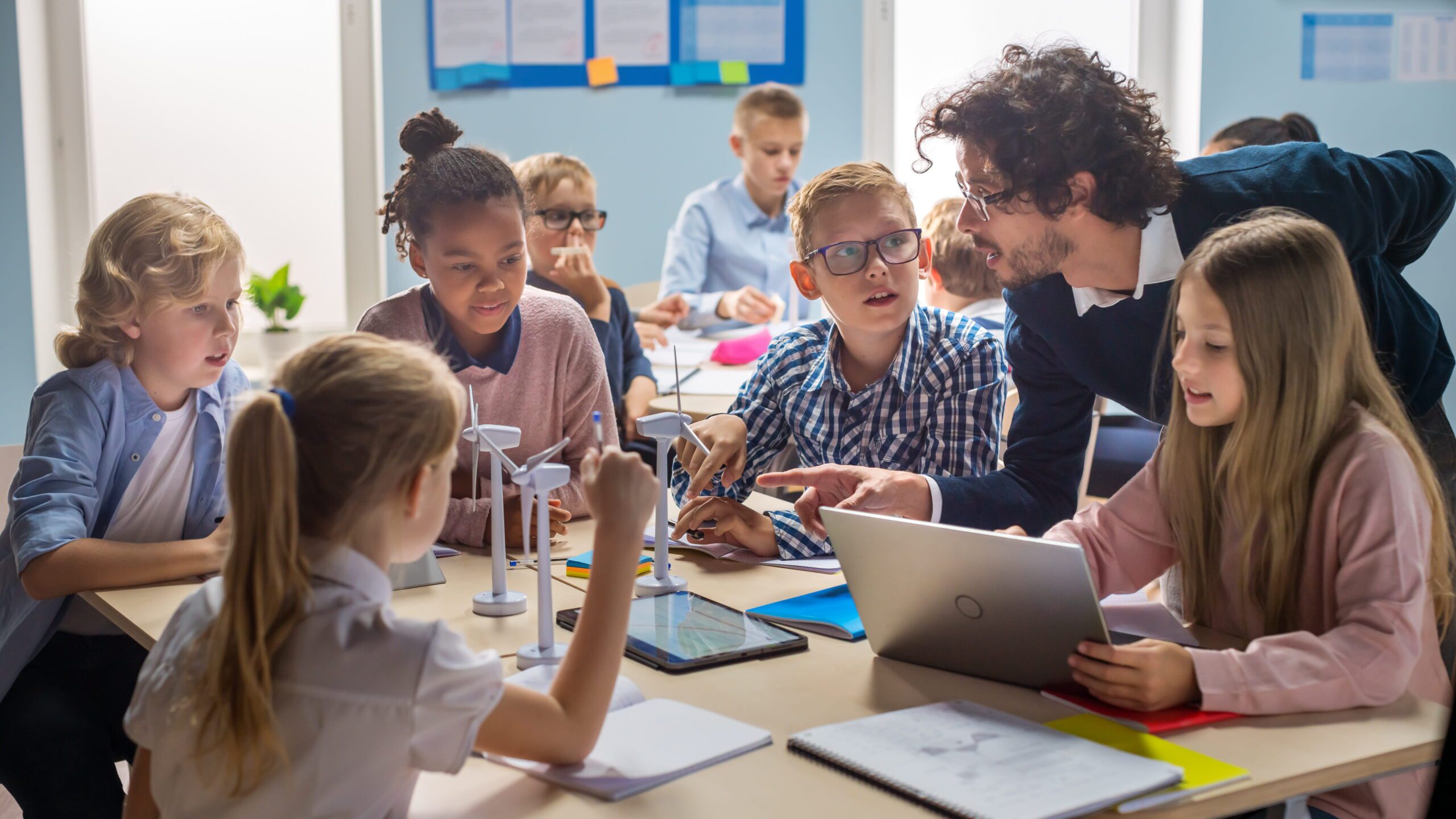
Most teachers look forward to the fresh start of a new school year – a tidy and carefully curated classroom, sharpened pencils, and the excitement of getting to know yet another classroom full of students. We have high hopes for making this the best school year yet and look forward to building a sense of community or family in our classroom. We want our students to respect one another, be engaged, and play a critical role in building a collaborative classroom.
Classroom community-building activities are the perfect way to achieve these goals. These simple, daily activities not only help students get to know their teacher and peers better throughout the year, but also increase student engagement, build a sense of belonging in the classroom and school, and promote felt safety in students.
What Are Classroom Community Building Activities?
Classroom community-building activities are simple ways you can help students get to know you and their peers. They can take the form of a short exercise, game, or activity that is easy to implement, takes only a few minutes, and should be integrated into your daily routine to build community among students.
Why is Classroom Community Building Important?
There are many benefits to implementing classroom community-building activities, but one of the most important, particularly at the beginning of the school year, is fostering a collaborative learning environment in which students encourage and support one another. This really sets the tone for the classroom environment for the school year.
Additionally, classroom community-building activities foster a sense of felt safety among students, which can help build trust between students and teachers. This can result in fewer behavior referrals, higher levels of student engagement, and improved academic achievement. Classroom community-building activities have also been shown to improve students’ sharing, listening, and teamwork skills across all ages.
Explore K-12 Classroom Management Resources
See how Discovery Education can support educators.
10 Classroom Community Building Activities
Create a Community Agreement
Most teachers begin the first few days of school going over the classroom rules. Over the past decade or so, this practice has gone through various iterations – classroom norms and expectations, a classroom compact, etc. Let’s break away from the tradition of telling students what NOT to do in the classroom and instead focus on the behaviors we DO expect of them. Bring students together to create a Community Agreement, a document or poster of the behaviors, words, and actions they should expect from you and each other in order to thrive in the classroom this school year.
Icebreakers
It’s the activity we all dread at every professional development workshop – the icebreaker. Why? Because it forces us out of our comfort zone and encourages us to talk to and learn about new people. As silly as it sometimes feels to participate in an icebreaker activity, it really does work. Students have to start learning about and talking to one another at some point, so you might as well lean into an icebreaker activity on the first day of school. Icebreakers suit all age levels and take many forms.
Morning Greetings
The few minutes before school or class starts can often feel like a race to finish the last tasks on our to-do list before students arrive. Sometimes that means we are huddled over our laptop or the copier until the bell rings, and when we look up, our classroom is full of students. While this may seem like an efficient use of your time, it’s not the best way to build community in your classroom. Trade those last-minute tasks for standing at your classroom door at the beginning of the school day or during passing periods. Use this time to greet students by name as they enter your classroom, ask about their weekend, or follow up on tidbits they’ve shared with you on previous days. This is what relationship building looks like, and your students WILL notice the difference.
Morning Meeting
A great classroom community-building activity is holding a daily morning meeting. A morning meeting should take about 10-20 minutes and focus solely on building community in your classroom. During a morning meeting, students may share about themselves, answer a question of the day, listen to a read-aloud, discuss a specific social-emotional learning skill, participate in a debate, or role-play a particular situation. With practice over time, you can gradually transfer some responsibility for the morning meeting to students.
Weekly VIP
Each week, assign a different student as the classroom’s Very Important Person. Give the VIP opportunities each day to share about themselves, teach the class a new skill, or share some of their favorite things. Assigning a weekly VIP is not only a great way for students to get to know one another better, but also an opportunity for students to practice skills such as verbal communication and risk-taking, and to build a sense of ownership and belonging in the classroom.
Peer Celebrations
Encourage students in your class to celebrate one another’s accomplishments. Build this skill by openly celebrating students’ small wins, whether academic, behavioral, or social-emotional. Make a big deal of these accomplishments and encourage other students to get involved in celebrating successes. Once this practice becomes a fundamental part of your classroom culture, create a system for students to celebrate their peers. This could take the form of a shout-out bulletin board, individual success journals, or a weekly practice of writing congratulatory notes to one another.
Classroom Jobs
Setting up classroom jobs is a great way to build classroom community for students of all ages. Expecting students to care for the classroom, materials, and one another builds ownership and a sense of responsibility and accountability. Consider having students “apply” for jobs they are interested in by writing a few sentences (or even a persuasive letter) detailing why they are well-suited for those jobs. Keep it fresh by letting students change jobs regularly.
Random Acts of Kindness
Encourage your students to do random acts of kindness throughout the classroom and the entire school building. Start this practice at the beginning of the year by planning a random act of kindness for a teacher, student, or classroom at the school, and involve your entire class. Treat it like a secret mission, and younger students will be hooked. Give students the opportunity to brainstorm random acts of kindness they can do individually or as a class, and set a goal for how many they hope to complete each week, month, or quarter. Encourage students to branch out and do random acts of kindness on their own around the school, at home, or in their communities.
3 Stars and a Wish
Teach students the 3 Stars and a Wish method of providing feedback to others. The three stars represent things that the other person did well, and the wish represents one piece of constructive feedback. This classroom community-building activity can be used with students of all ages and in a variety of situations. For example, students could share a piece of narrative writing aloud and receive 3 Stars and a Wish from a couple of classmates. This activity not only gets students thinking critically about their own work and others’ work, but also gives them the opportunity to practice giving and receiving feedback in a constructive and kind manner.
Alternatively, you can use this classroom community-building activity to help students reflect on their day. In this case, the stars represent things that went well during the day, and the wish represents something they wish had been different to make the day even better.
They’re the Expert
Students love to share the talents and skills that make them unique. Consider adopting a weekly practice in which a student (possibly the Weekly VIP) serves as the expert and teaches the class about something they know well. Have a student who is really into meteorology? Ask them to bring their weather lab set to class and teach the other students about each component. What about the student who’s been really into making friendship bracelets lately? Ask them to teach the class a simple friendship bracelet-making technique. Through this classroom community building activity, students gain confidence in public speaking, share something genuinely interesting to them, learn new skills, and potentially find others with similar interests.
By embracing our students’ diverse interests, talents, skills, and personalities and incorporating a variety of classroom community-building activities, we create a classroom community that is welcoming, supportive, and thriving. Start small by choosing one or two classroom community-building activities to integrate into your classroom. If those go well, consider adding another that feels right for your students. Every class is different, and you know your students’ needs better than anyone. Consider what is best for your students and build from there. You can find a variety of educational resources to support classroom community building and more here.