Key takeaways
-
In five years of the Cooperative Minds partnership, over 1 million students have learned about agricultural co-ops and the business model behind their success.
-
An agricultural co-op consists of farmers and agriculture professionals who pool their resources to ensure farms and ranches flourish.
-
Educators can use a variety of free, standards-aligned resources such as a Virtual Field Trip, a gamified learning experience, and videos of real agriculture professionals explaining their work.
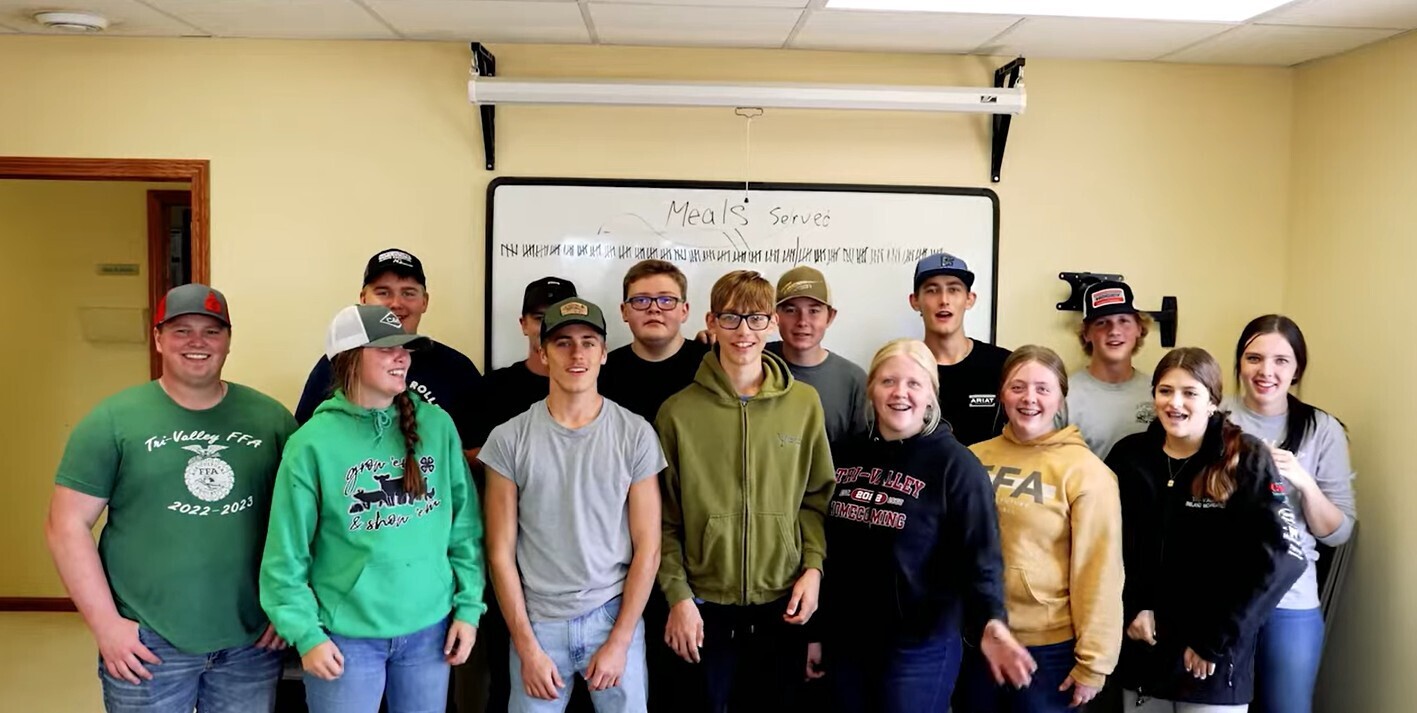
October is National Co-op Month, and we’re excited that it marks five years of Cooperative Minds, a partnership between the CHS Foundation and Discovery Education! Over the course of those five years, over 1 million students have learned about agricultural co-ops and explored the business model behind their success. They’ve worked on skills they need to collaborate with others who share the same interests. And they’ve taken Virtual Field Trips that bring different aspects of agriculture and agricultural co-ops to life in engaging ways.
It seems especially appropriate to celebrate this anniversary when fall harvest season is in full swing across the U.S. Depending on the region, fruits and vegetables being harvested right now include pumpkins and gourds, cabbage, sweet potatoes, pears, apples, tomatoes, sweet corn, grapes, and melons. While students may understand the seasonal nature of food availability, they may not understand the role that agricultural co-ops play in growing crops and getting them from farms to the marketplace.
What Is an Agricultural Cooperative (Co-op)?
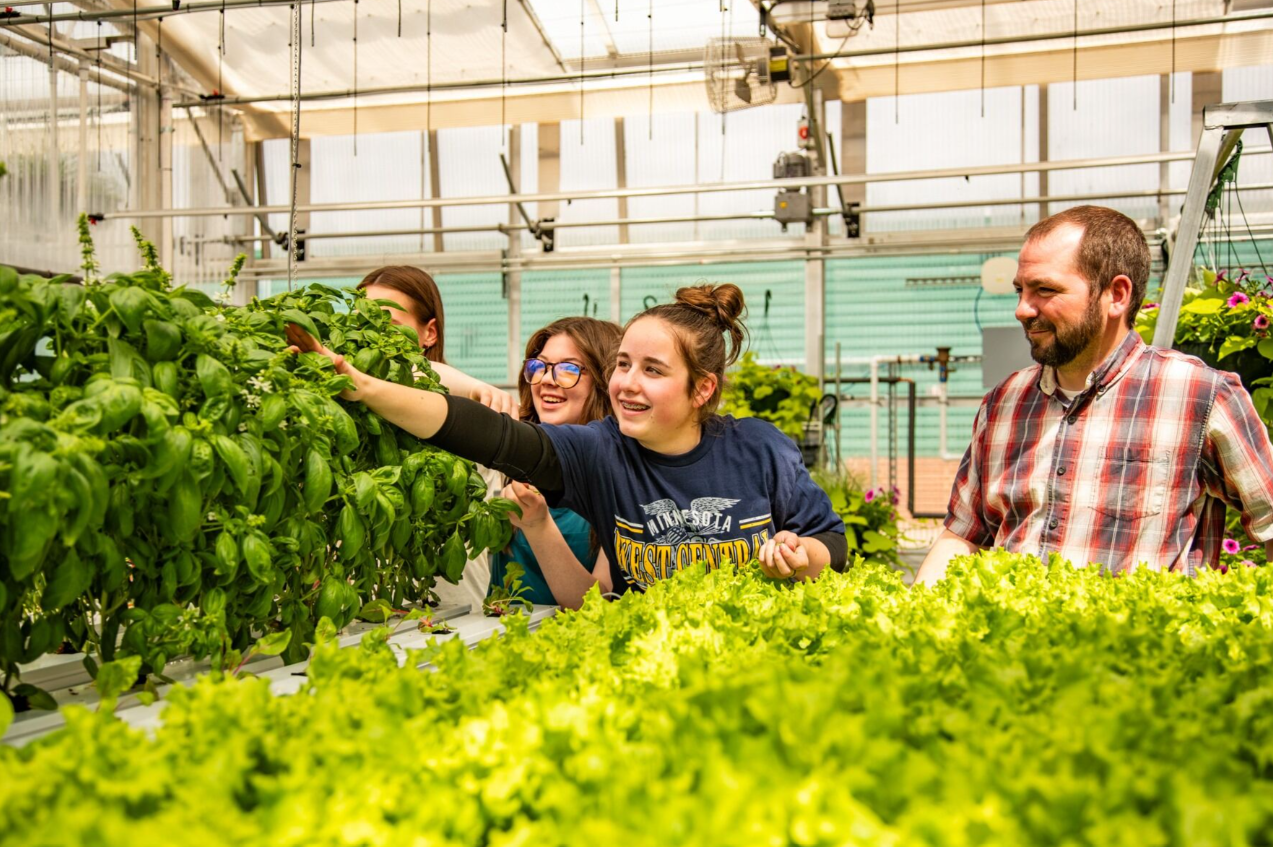
Educators, do you already know what an agricultural co-op is? If you don’t live near farmland in the U.S., this may be something you’ve not seen or learned about yet. A cooperative (co-op) is any business organization owned and governed by its members who use its products or services to work toward a common goal. An agricultural co-op consists of farmers and agriculture professionals who pool their resources to ensure farms and ranches flourish without exhausting those resources. They follow seven cooperative principles:
- Voluntary and open membership
- Democratic owner control
- Member economic participation
- Autonomy and independence
- Education, training, and information
- Cooperation among cooperatives
- Concern for community
How Can You Teach Students About Agriculture Co-ops?
Since the CHS Foundation is focused on developing agriculture leaders, we partnered with them to create a variety of free resources that educators can easily incorporate into career-connected classroom instruction.
Virtual Field Trips
The Cooperative Minds Virtual Field Trip gives students a chance to learn about the power of agriculture co-ops, covering topics like agronomy, technology and precision agriculture, energy, grain, and processing. We provide a companion Educator Guide that includes student activities, a lesson plan, and more.
Gamified Learning Experiences
In the browser-based HARVEST: From Seed to Success experience, students take on the role of farmer. They get to consult agriculture professionals for soil sample analysis, choose a crop and fertilizer, decide when to harvest, and drive the combine to harvest the crop! Our Educator Guide explains the fundamentals of the game and offers engaging related activities.

Real-World Professionals and Careers
Professionals in a variety of agriculture-related fields give an inside look at working for and with co-ops in a series of videos and accompanying information. Professions to explore include grain trader, logistics superintendent, animal nutritional consultant, strategic sourcing specialist, and senior business analyst, IT. Ready-to-use activities let students investigate careers further.
Cooperative Minds makes it easy to bring agriculture co-op career-connected learning into your classroom. Get your no-cost, standards-aligned resources today!