
Key takeaways
-
Technology didn't just change the classroom- it changed the role of the teacher.
-
Having devices at school doesn't matter much if students have nothing to work with at home.
-
The schools doing this best aren't the ones with the most technology, but the ones using it with purpose.
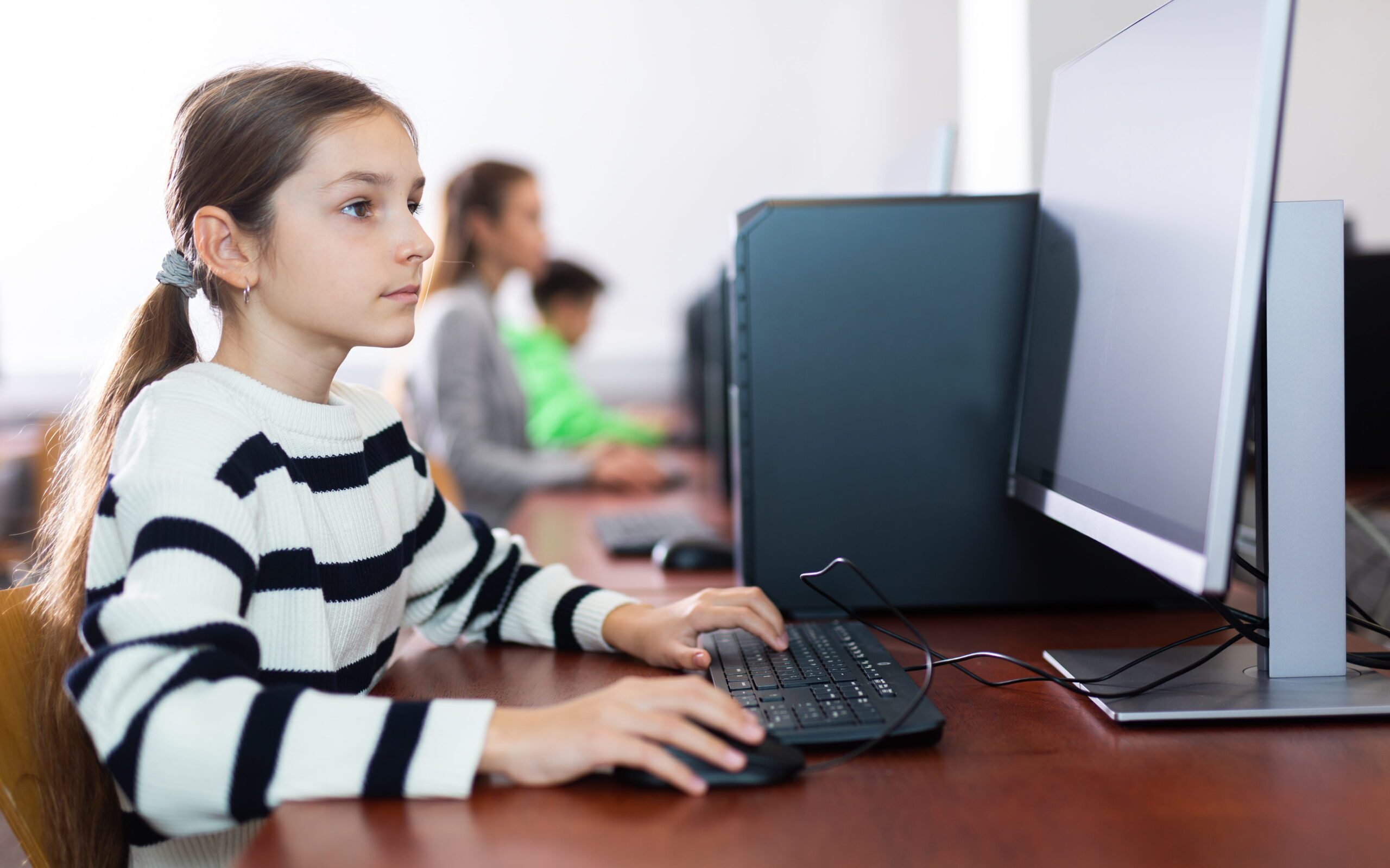
A picture of a classroom taken years ago, before digital technology existed, would have looked quite different from one taken today. You would have seen a teacher lecturing to students who were passive listeners. Today, most students have a device in front of them, the teacher is showing websites and videos on a screen, and a variety of apps and tools are being used to engage students. But it is not the technology itself that represents the real change – it is the actual experience of teaching and learning that has shifted with the help of technological tools.
How has technology changed education over the years?
Learning no longer has to happen at a specific time, in a specific location. A student who missed something in class or needs to hear an explanation more than once can go back and rewatch it on their own schedule. On days when students are homesick or absent, school doesn’t have to stop. Technology makes it possible for students to keep up without falling behind. For students who need more time to process what they’ve learned, finish their work, or are ready to move faster, there are asynchronous learning options that allow them to work at their own pace. And when it comes to content, students have access to more information and resources than any previous generation. This flexibility is something that traditional classrooms simply didn’t have.
The lecture model made sense for its time because there was no easy way for students to find information on their own. But now, any student with a phone can search for an answer in seconds. The challenge today is not getting the information- it’s knowing what to do with it. In a world where there’s more content produced daily than anyone can read, the real work involves helping students think critically about what they find.
How has technology improved education?
Data
Technology has changed how teachers assess student learning. Digital tools can give much more than just a score. They can show which specific skills a student has mastered or is struggling with, helping teachers better focus their instruction. For example, teachers can use data generated from online programs to pull small groups during class and provide targeted interventions to close skill gaps. Technology allows school districts to easily view and use disaggregated student data to strengthen instruction and monitor student outcomes.
Student Engagement
One of the clearest benefits of technology in the classroom is its effect on student engagement. Traditional teaching methods can struggle to hold students’ attention, but digital tools and multimedia resources give teachers new ways to bring lessons to life. Videos, animations, and interactive games can turn mundane topics into something students actually want to explore. When students are more invested in what they are learning, they tend to retain it better and develop a deeper understanding of the material.
Production
Technology has given students new ways to create products to showcase their learning. You might see a second-grader recording a podcast, a middle-schooler editing a video, or a high-schooler building a website or writing a basic program. When students create this way, they learn how to communicate clearly, solve problems, try something, fix it, and try again. The best tech-friendly classrooms give students real work to do and let them figure out how to do it. Learn more about project-based learning and how it works in practice.
Abundance of Resources
The internet offers a wealth of information and resources that were not easily available in the past. Years ago, students had to look up information in encyclopedias (IYKYK!) or visit the library to access specific materials. Today, students have immediate access to virtually any type of resource or content. Using a k-12 online learning platform gives students access to educational websites, digital textbooks, and online libraries and repositories that enrich their learning experience.
Communication
Technology has also changed how schools and families stay connected. Parents no longer have to wait for a report card or a phone call to know how their child is doing. They can instantly check grades, attendance, and messages from teachers in real time from their phone. Being able to get a school update in your home language, or quickly check on your child’s progress during a lunch break, provides parents with a level of access that wasn’t always available. Communication and collaboration among students and teachers also improve with the use of digital tools. Online workspaces make it easy for students to collaborate on projects, share resources, and submit assignments, while providing teachers with a space to give immediate feedback.
Explore Educational Technology Resources
See how Discovery Education can support your school or district.
What are some potential downsides to technology in education?
Interpreting Data
While technology in education has the potential to positively impact learning, it also introduces challenges that schools are not always prepared to meet. Having access to data does not automatically equate to better instruction. It requires educators who are trained to interpret it and schools that prioritize using it to support learning rather than sorting students. This new reliance on data demands targeted professional development so that educators can understand what the data is telling them and use it to drive instruction. For example, districts that use online benchmark or diagnostic tools such as NWEA or Renaissance Star receive an overwhelming volume of data for each student. Teachers need guidance on identifying foundational gaps, forming small groups, and engaging students in their own learning.
Digital Citizenship
Schools must also prioritize digital citizenship by teaching students to use technology as a tool that supports their thinking rather than replaces it, reducing overdependence and protecting academic integrity. Students need ongoing guidance on how to critically evaluate online sources, respect others in digital spaces, cite sources appropriately, and safeguard their personal information. In an effort to support this, teachers should incorporate lessons that promote digital citizenship and foster a positive online environment.
Access
While most schools now have computers, tablets, and internet connections available during the school day, those resources often disappear when students go home. A student without reliable internet at home cannot complete online assignments, watch instructional videos, or use the digital tools their teacher assigned. A student without a personal device may have to share a phone with the rest of the family or skip the work entirely. This digital divide often becomes a persistent inequity.
The classrooms of today look nothing like the ones most adults grew up in, and the classrooms of the next decade will likely look different again. The schools doing this most effectively are not the ones with the most devices or the fastest internet. They are the ones where teachers are supported, students are engaged, and the technology serves the learning rather than the other way around.