Every educator knows the feeling of a great field trip. Students step off the bus, look around, and suddenly the thing you have been teaching for weeks is real. The trouble is that buses, budgets, and geography only stretch so far. Some of the most powerful places and people we want our students to meet are a plane ride, an ocean, or a career away.
That is where virtual field trips (VFTs) come in. A VFT does not replace the bus. It removes the limits of the bus. In the time it takes to run a single class period, students can stand in a place they have never seen, hear from people they would never otherwise meet, and begin to picture a future they did not know was an option.
As we reflect on this fall’s Virtual Field Trips, one experience captures that promise especially well: a trip to Ghana with the Peace Corps.
Spotlight: A Virtual Field Trip to Ghana with the Peace Corps
Future Ready Skills In Action: A Virtual Field Trip to Ghana premiered on September 16, 2026, and is now available on demand at no cost. Created by the Peace Corps and Discovery Education as part of the Global Learners program, it is designed for grades 9–12 and runs about 20 minutes, which makes it an easy fit for a single class period.
The setting matters. Ghana welcomed the very first group of Peace Corps Volunteers in 1961, and this VFT brings students into Ghanaian communities to see what service looks like today. Students follow Volunteers as they work side by side with community partners, and they see skills we talk about all the time in action:
- Communication across languages and cultures
- Collaboration with local partners who lead the work
- Problem solving when the first plan does not work
- Resilience when the work is hard and unfamiliar
Along the way, students connect those skills to real career pathways in education, health, agriculture, and public service. The message is clear without ever being preachy: the skills that make someone a good neighbor are the same skills that make someone future ready.


What Only a Virtual Field Trip Can Do
The Ghana experience is a strong reminder of why VFTs hold a unique place in our classrooms. They connect students to four things that are hard to reach any other way.
1. People
Students do not read about Peace Corps Volunteers. They meet them, along with the Ghanaian partners they work beside. Hearing a real person explain a real challenge builds a kind of trust and curiosity that a textbook paragraph cannot.
2. Places
For many students, Ghana is a name on a map. A VFT turns it into classrooms, farms, clinics, and communities. Ghana stops being abstract and becomes somewhere people live, work, and solve problems.
3. Cultures
Students see daily life from the inside, through relationships rather than stereotypes. They watch Volunteers arrive as learners first, which models the kind of respect and cultural understanding we hope our students carry into their own communities.
4. Opportunities
Perhaps most importantly, students see a path. A student who has never left their home state can watch someone not much older than they are building a career through service, and think, “I could do that.” You cannot aspire to something you have never seen.
Bringing It Into Your Classroom: Before, During, and After
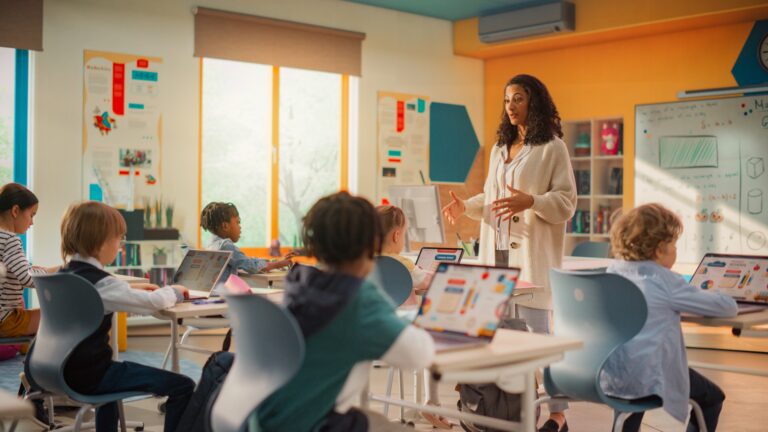
A VFT is most powerful when students do more than watch. Here are three simple strategies to turn 20 minutes of video into lasting learning.
Before: "What Do We Think We Know?"
- The Strategy: Give students two minutes to jot down everything they associate with Ghana, the Peace Corps, and the word “service.” Collect responses on chart paper and set it aside.
- The Value: Students surface their assumptions before the trip, which gives them something concrete to test against what they see.
During: "Skill Spotters"
- The Strategy: Assign each small group one future-ready skill: communication, collaboration, problem solving, or resilience. As they watch, groups record every moment they see their skill in action and who was using it.
- The Value: Students watch with a purpose, and the skills move from a poster on the wall to something they can point to and name.
After: "From Ghana to Our Community"
- The Strategy: Return to the chart paper. Ask students: What surprised you? What would you change on our list? Then pose one more question: What is a need in our own community, and which of these skills would it take to help?
- The Value: Students connect a global experience to local action, and begin to see service as something they can start now rather than someday.
Don't forget the educator guide.
Like other Discovery Education Virtual Field Trips, this one comes with a companion educator guide of standards-aligned, hands-on activities. Global Learners also offers free lessons that give students a look at everyday life in more than 60 countries, so the learning can continue long after the video ends.
Why This Works
Virtual field trips work because they answer a question every student is quietly asking: “What else is out there, and is there a place in it for me?” When students meet real people doing meaningful work in a place they have never been, the world gets bigger and more reachable at the same time.
Bringing It All Together: No Permission Slips Required
Not every student will board a plane to Ghana. But every student deserves the chance to see it, to hear from the people who live and serve there, and to imagine where their own skills might take them.
- Start with one class period.
- Start with one question.
- Start with one trip.
Because sometimes the door to a student’s future opens on a screen at the front of your classroom.

Ready to start? Watch Future Ready Skills In Action: A Virtual Field Trip to Ghana on demand, explore more free resources from Global Learners, and find your next destination in the full library of Discovery Education Virtual Field Trips.