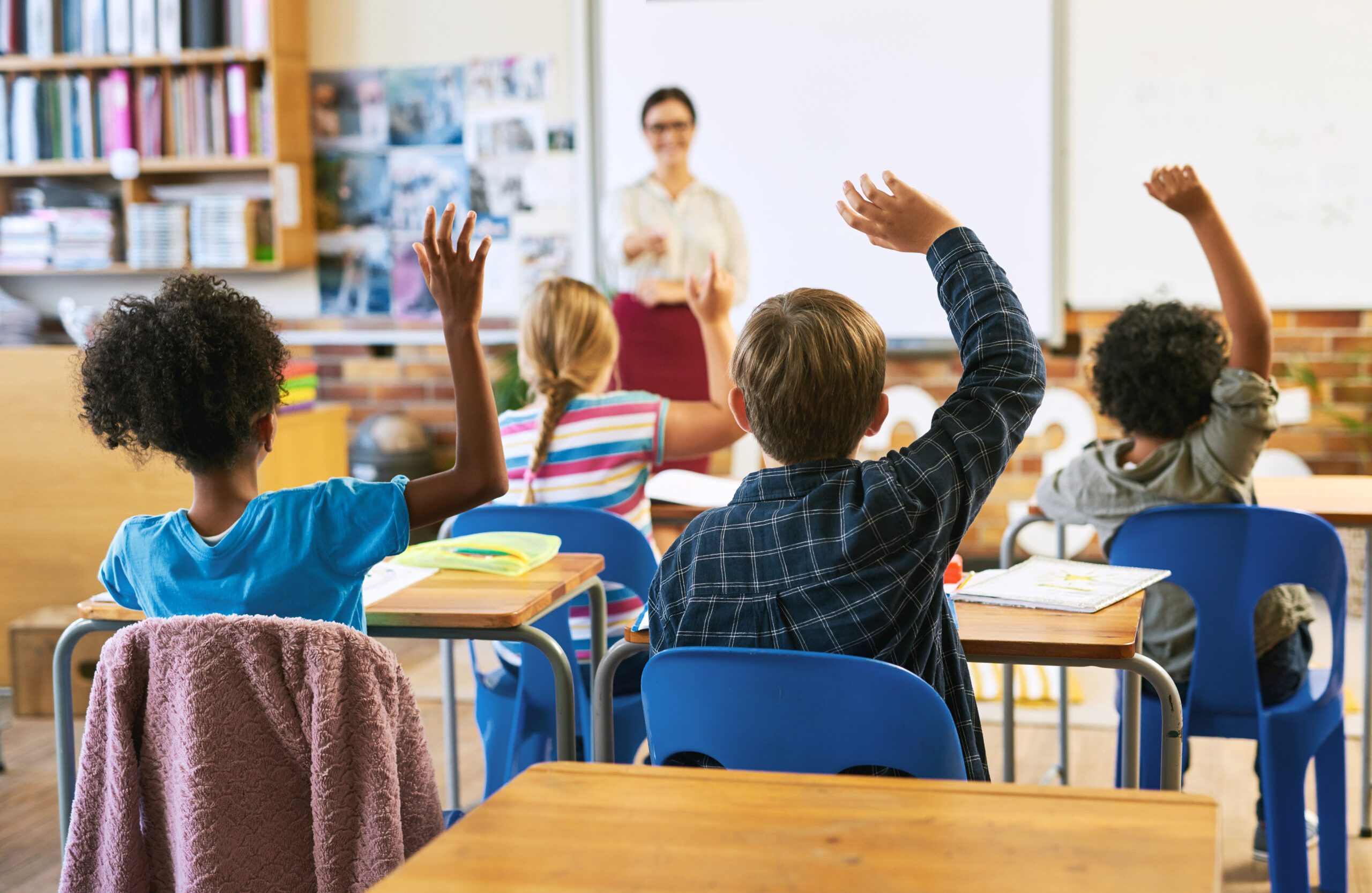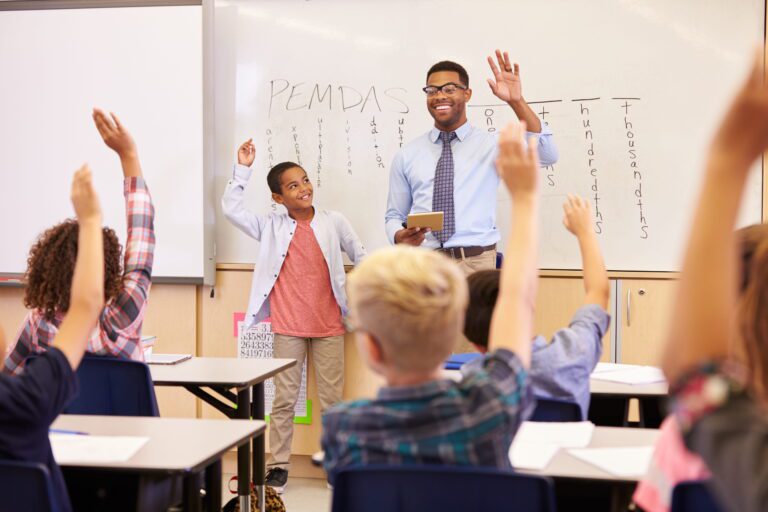
I still remember the moment a lesson stopped being a lesson. I taught computer science, and I had a class working through what was, on paper, a fairly ordinary unit on logic and loops but comprehension was not happening. So, I paused, and reframed the opening question. Instead of “What is a conditional statement?” I asked, “How would you build something that actually solves a problem your friends have?” The room changed. Hands went up. Kids who normally waited out a lesson were suddenly arguing with each other about the best approach. That’s the moment I go back to every time someone asks me why real-world learning matters: it’s not a teaching technique, it’s a switch that gets flipped in a student’s head. It is what I call the light bulb moment and it is amazing.
When students ask questions, investigate ideas, and solve authentic problems, learning becomes more than memorization. It becomes an experience. And in my years in the classroom, the lessons that stuck, the ones students still mentioned years later, were never the ones I lectured through. They were the ones where students had to think like someone else: a scientist, an engineer, a financial planner, an analyst.
Today’s students are preparing for a world that demands critical thinkers, creative problem-solvers, and collaborative innovators. By connecting classroom instruction to real-world challenges, educators can transform everyday lessons into meaningful opportunities that inspire curiosity and deepen understanding. It creates a culture in your classroom that provides you, as the educator, the opportunity to facilitate and watch the authentic learning experiences help students see that what they’re learning today has real value tomorrow.
Dig Into STEM with Real-World Problem Solving
One of the best ways to engage students is by presenting them with the same kinds of challenges professionals solve every day. I used to tell my students: nobody in the real world gets handed a worksheet, they get handed a mess, and they have to figure out what questions to even ask.
Imagine beginning a science lesson by asking students, “How can we responsibly access the natural resources needed to power our everyday lives while protecting the environment?” Instead of simply reading about mining, students investigate the science behind Earth’s resources, evaluate multiple perspectives, and design potential solutions.
Freeport’s Dig Into Mining classroom activities provide hands-on STEM investigations that connect earth science, engineering, environmental stewardship, and critical thinking through authentic industry examples. Students become problem-solvers while exploring how science and innovation work together to address complex global challenges.
Build Financial Confidence Through Real-Life Decision Making
Financial literacy is a life skill every student deserves, and it’s one I wish I’d had more tools for earlier in my career. Students make financial decisions every day, from saving money to understanding needs versus wants and those decisions become increasingly important as they grow. By incorporating financial literacy into everyday instruction, educators help students develop responsible decision-making skills that extend far beyond the classroom.
A simple classroom activity might ask students to create a budget for a school event, compare the costs of different materials, or determine how to save toward a personal goal. I found these were often the lessons where the quietest students spoke up first because suddenly the math had stakes they actually cared about. These authentic scenarios strengthen mathematical reasoning while helping students understand the value of planning, budgeting, and informed decision-making.
Discover’s Pathway in Schools resources make financial literacy engaging through classroom activities that connect mathematics, economics, and real-life financial choices in meaningful ways.
Help Students Discover the Power of Data
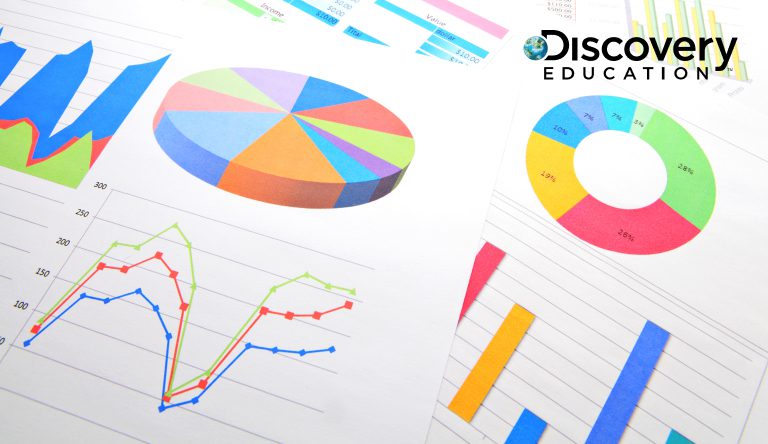
Students encounter data every day (although they do not always know it) , from sports
statistics and weather forecasts to social media trends and public health
information. Learning how to interpret and question data prepares them to
become informed citizens and confident decision-makers, and it’s a skill I’ve
watched grow only more urgent as students’ information comes at them faster
every year.
One engaging lesson might have students survey their classmates about favorite
books, school lunches, or after-school activities. After organizing the results
into graphs, students analyze patterns, ask questions, and discuss what
conclusions they can and cannot draw from the data. That last part matters as
much as the graphing itself; teaching students to notice what data doesn’t tell
them is one of the more underrated skills we can build.
The Nielsen Foundation’s Discover Data resources introduce students to data literacy through engaging investigations that strengthen analytical thinking, mathematical reasoning, and
evidence-based decision-making.
Inspire Environmental Innovation
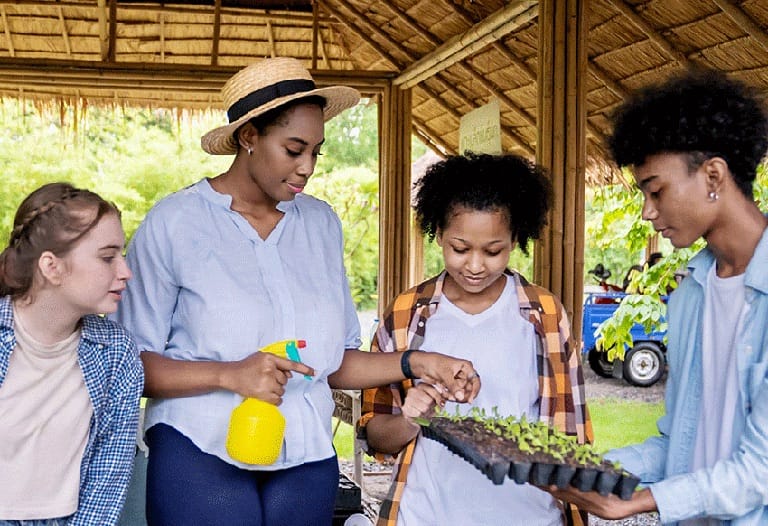
Today’s students are tomorrow’s environmental leaders. Helping learners investigate
renewable energy, climate solutions, and sustainable practices encourages them
to think critically about the role they can play in creating healthier
communities.
The Environmental Education Initiative’s Generation Innovation resources immerse students in
authentic environmental investigations that connect science, engineering, and
community impact. Through inquiry-based learning, students develop solutions to
real-world environmental challenges while strengthening STEM knowledge and
collaboration skills.
Design Solutions for a Sustainable Future
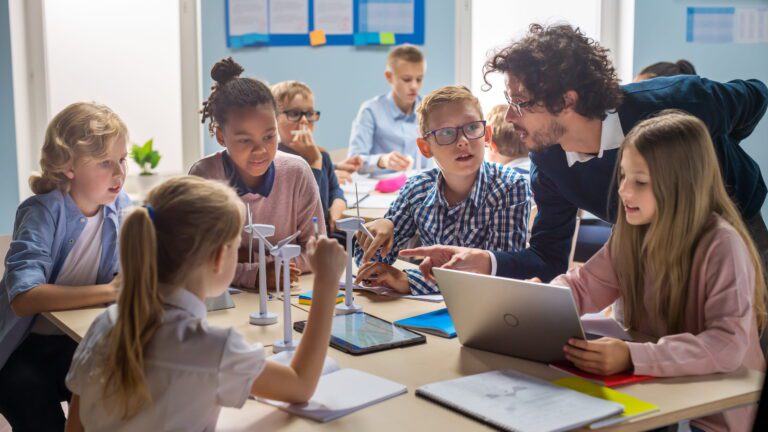
Engineering begins with curiosity. A simple design challenge such as creating a structure
that keeps water cool, designing an energy-efficient classroom, or improving
airflow in a model home encourages students to think like engineers while
applying concepts from science and mathematics.
Trane’s Sustainable Futures teacher-led activities help students explore sustainability, energy efficiency, and engineering design through engaging, hands-on investigations that
demonstrate how STEM learning improves the world around us.
Authentic Learning Creates Lasting Learning
Students remember experiences more than worksheets. I can still tell you what my students built, argued about, and got wrong before they got it right. I couldn’t tell you what was on most of the quizzes I gave. When students investigate authentic questions, collaborate to solve meaningful problems, and connect learning to the world around them, they build deeper understanding and stronger academic confidence.
Real-world learning doesn’t require a complete curriculum redesign. It starts with asking meaningful questions, encouraging curiosity, and giving students opportunities to think like scientists, engineers, mathematicians, financial planners, and innovators.
This school year, help students move beyond learning about the world and empower them to learn through it. Because the most powerful learning happens when students discover that they have the knowledge and skills to make a difference.