Instructional Excellence Playbook
Building a strong foundation for student success begins with high-quality Tier 1 instruction. By focusing on evidence-based practices and standards-aligned content, educators can ensure that all students receive the grade-level instruction they need to make progress. To achieve better outcomes, districts must prioritize coherent implementation and systematic supports that meet students where they are. In the following sections, we explore the five “must-haves” for effective Tier 1 instruction and how to use a systems approach to empower every learner.
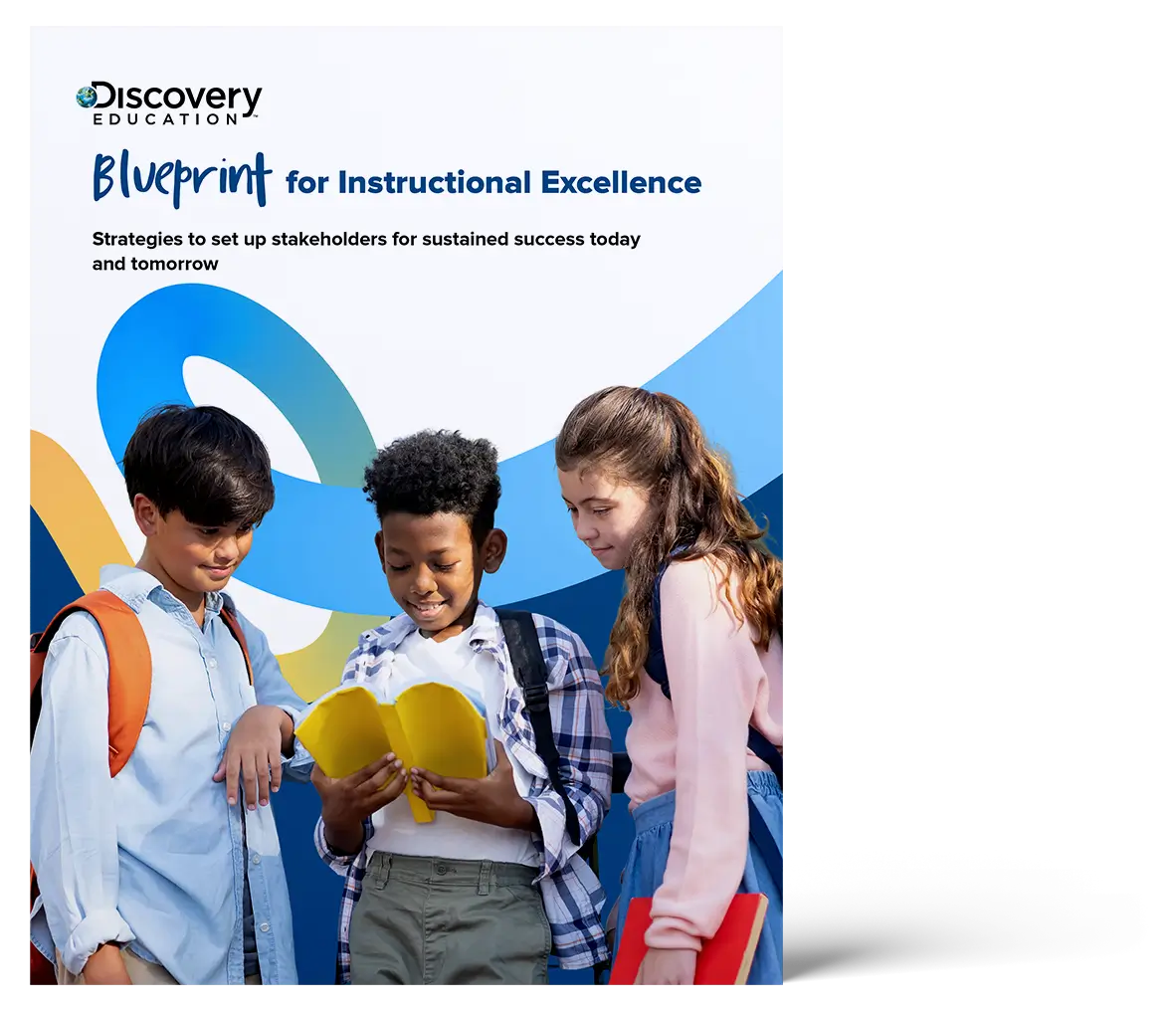
Get the Blueprint for Instructional Excellence
Download our latest guide to explore strategies and action steps you can use to strengthen instruction and sustain progress, today and tomorrow.
Explore Solutions for Your School or District
Five “Must-Haves” for Strong Tier 1 Instruction
1. High-Quality Instructional Materials with Coherent Implementation
Although there is no single definition for “high-quality instructional materials (HQIM),” many districts consider the following elements to be essential:
- Alignment to academic standards
- Evidence-based instructional practices
- Rich content
- Cross-cultural relevance and unbiased language
- Extensive teacher and student materials
Studies show that the cumulative effect of using HQIM is significant for student mastery of grade-level standards. However, adopting HQIM without coherent implementation may lead to ineffective or inconsistent use. Avoid this by anticipating possible barriers, using a systems approach, aligning teacher supports and PD, and preparing intentionally.
2. Evidence-Based Instructional Practices
Students achieve better outcomes when teachers are able to incorporate evidence-based practices into systematic, explicit, and differentiated instruction. Make sure that your core and supplemental curricula and resources are built around evidence-based practices, and that the staff participates in professional learning to stay up to date with the latest research.
3. Universal Screening and Progress Monitoring
Identify students who will need extra support early with universal screening and track Tier 1 student progress with regular formative assessment to evaluate instructional efficacy and make adjustments when necessary.
4. Differentiation
Since no two students will have identical academic skills, interests, and developmental paths, differentiation is key to ensuring that all students receive what they need to make progress. This is also important for keeping students who might otherwise require intensive intervention in a Tier 1 environment. Types of differentiation include content, process, projects, and learning environment.
5. UDL-based Access and Engagement
By embracing Universal Design for Learning (UDL) principles, educators can set clear goals, anticipate challenges, and create meaningful options that empower students to learn according to their unique strengths. Research shows that UDL improves student outcomes in literacy, content area learning, and engagement.
Examples of Research-Backed Strategies for High-Impact Teaching
Implementation of research-backed teaching strategies forms a strong foundation for high-impact teaching. Your team can choose from a wide variety of strategies that are proven effective, such as:
- Explicit instruction using a gradual release approach (“I do, we do, you do”)
- Formative assessment with feedback loops
- Scaffolded instruction
- Metacognitive strategies (plan – monitor – reflect)
- Blended and flipped learning
- Inquiry-based teaching
Discovery Education Program Support for Tier 1 Instruction
Every Discovery Education program gives educators multiple ways to improve Tier 1 instruction in classrooms throughout a district.
K–12 Math, Reading, Science, Social Studies, Careers
Discovery Education Experience provides standards-aligned content curated specifically for classrooms across the U.S. along with supporting instructional strategies to keep students engaged for meaningful learning. Because it’s an all-in-one program with curriculum-aligned resources and content that’s fully vetted, it simplifies instructional planning and delivery. Teachers can identify individual needs using built-in assessments or by creating custom standards- or concept-based assessments, and they can personalize learning with videos, activities, and other Experience content. What’s more, educators can expand their own knowledge and understanding using embedded instructional guides and McREL and Marzano professional learning.
K–8
DreamBox Math is an adaptive, engaging program that personalizes learning to meet students where they are. It’s aligned to state standards and leading core math curricula, removing implementation obstacles. Educators can use it to build confidence, deepen understanding, and drive progress with scaffolded lessons, embedded formative assessments, and smart technology that all complement core curriculum. For example, DreamBox Math uses automatic differentiation and continuous formative assessment to generate real-time data insights that save educators time and inform instruction. Its hands-on, game-like lessons and virtual manipulatives help learners build a stronger mathematical understanding.
K–12
Science Techbook supports three-dimensional learning aligned to the Next Generation Science Standards as part of instruction that’s engaging, relevant, and developmentally appropriate. It offers phenomena-driven storylines that involve hands-on learning activities for students. Educators can extend access to Tier 1 science instruction to all students by taking advantage of included differentiation tools, scaffolds, and formative assessments. They can also use Science Techbook to develop math and literacy skills, especially for struggling students, because lessons naturally incorporate math/ELA standards. Plus, an intuitive interface and slideshow lesson format minimize planning and prep time, and clear time estimates, lesson sequencing, and built-in scaffolds support meeting instructional goals.
K–5
Social Studies Essentials integrates literacy and historical thinking to build stronger readers and critical thinkers, preparing them for academic success and real-world challenges. Students gain skills by engaging with content built around the College, Career, and Civic Life (C3) Framework for Social Studies State Standards and ELA standards, which helps them make connections across disciplines. Inquiry-based units give educators ready-to-teach lessons that balance on- and offline interactivity so that classroom experiences are dynamic and immersive. Social Studies Essentials also saves planning time with a variety of teacher-friendly supports.
Featured Resource
District leadership, principals, curriculum directors, teachers ,and instructional staff will find this guide useful to drive student success and improve instruction. You’ll discover:
- Role-based perspectives for district leaders, principals/site leaders, curriculum directors, and teachers
- 20+ Practical tips to help teams prioritize what matters most, without adding complexity
- 4 Quick wins you can implement now, plus ideas to support long-term sustainability
- Guidance for navigating common challenges like communication, capacity, implementation readiness, and engagement
- Ways Discovery Education can help support this challenging work
K-12 Instruction & Pedagogy Resources
Effective pedagogy thrives at the intersection of intentional classroom culture and high-impact instructional design. By balancing clear expectations with multimodal, interactive learning, educators create environments where students feel safe to take risks and engage deeply with complex content. Explore our guide to master the scaffolding and instructional strategies that turn passive observers into invested learners.
K-12 Instruction & Pedagogy Blogs
Multimodal Learning
Interactive Learning
Scaffolding in Education
Instructional Strategies
6 Strategies and Supports for the Inquiry-Based Classroom
8 Ways to Gamify Your Classroom Instruction
Gamification in the Classroom: Learning through Play
4 Effective Math Intervention Strategies
8 Research-Based Instructional Recommendations for Students with Signs of Dyslexia
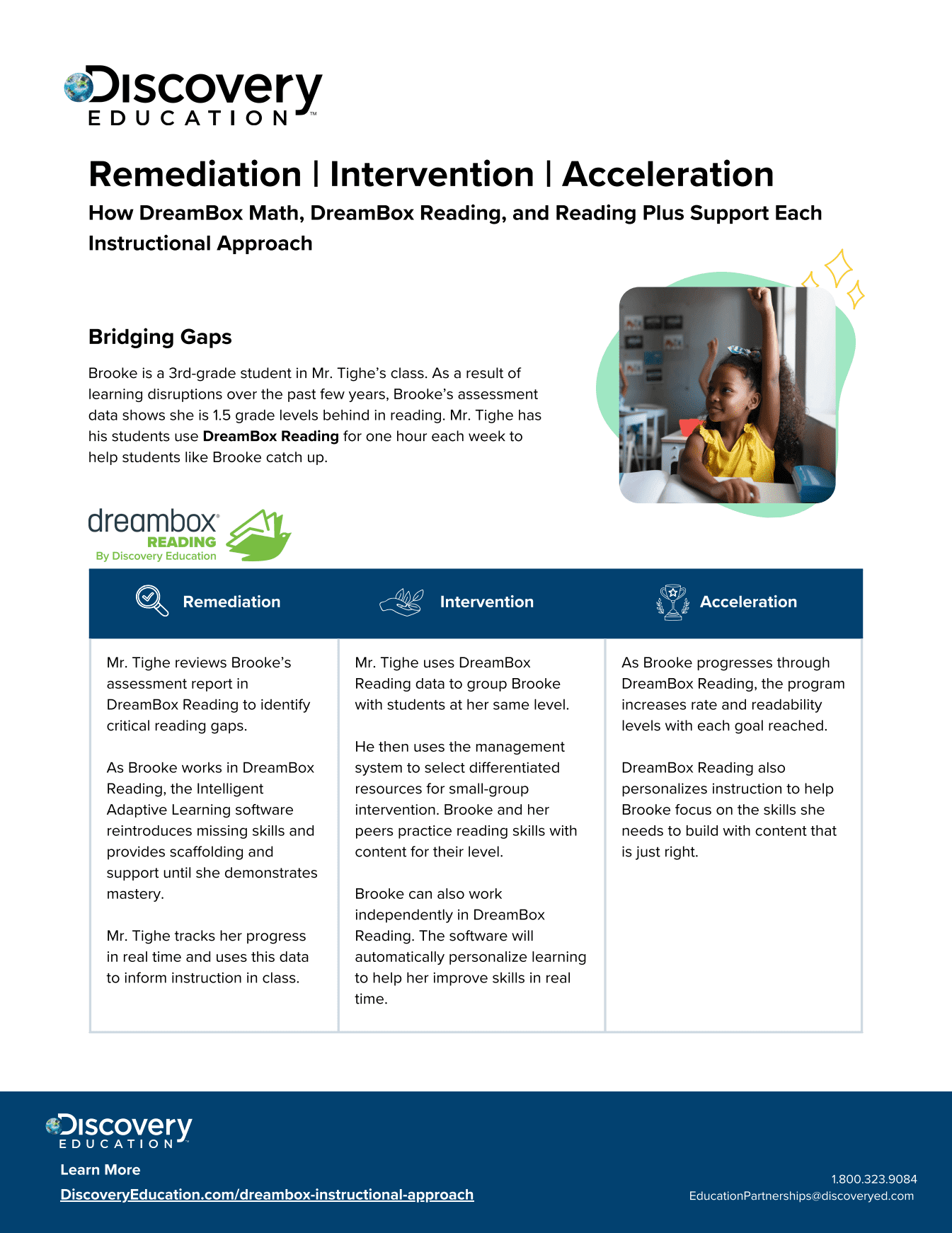
Remediation, Intervention, and Acceleration
K-12 Instruction & Pedagogy Downloadable Resources
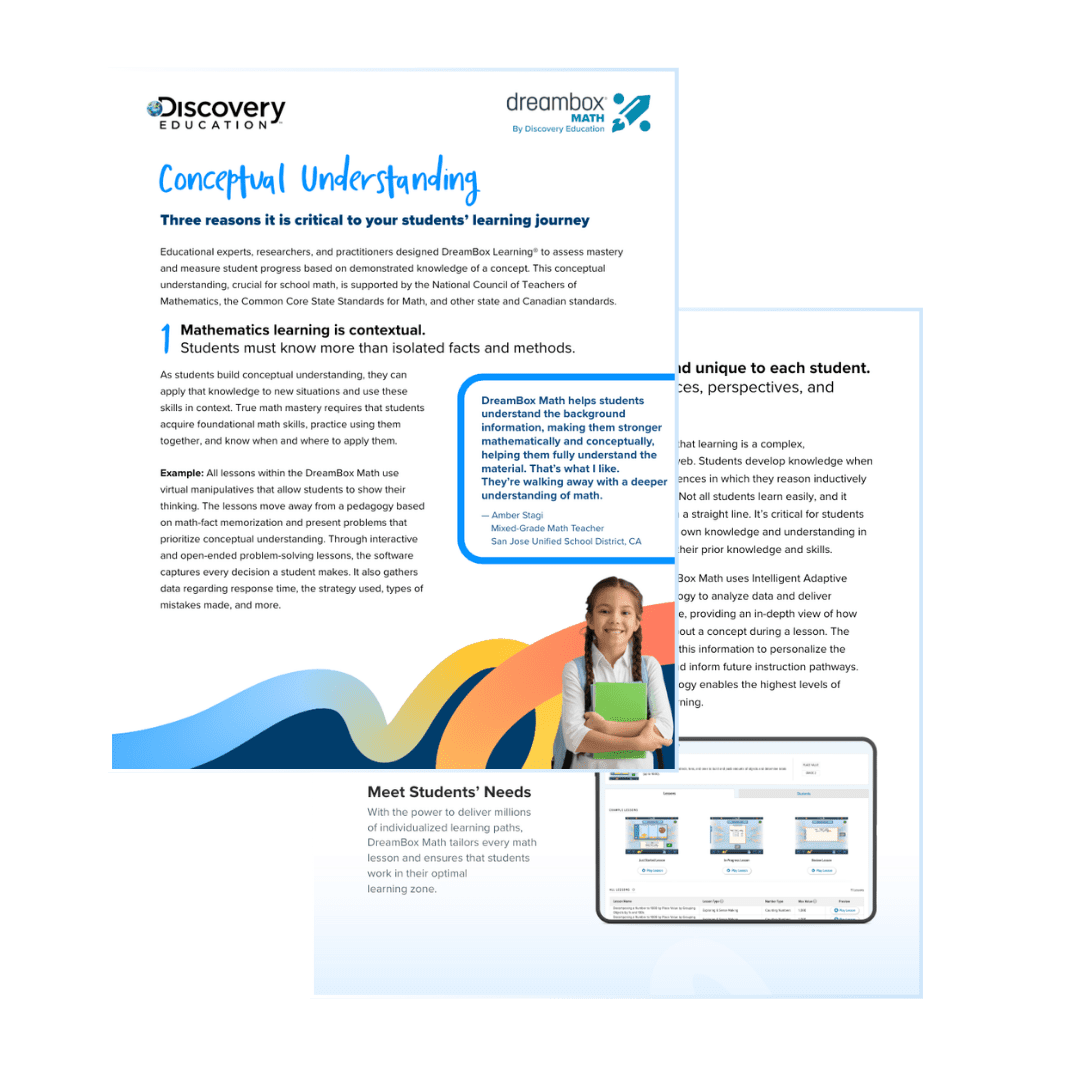
3 Reasons Conceptual Understanding Matters in Math
Blueprint for Instructional Excellence
2025-2026 Education Insights
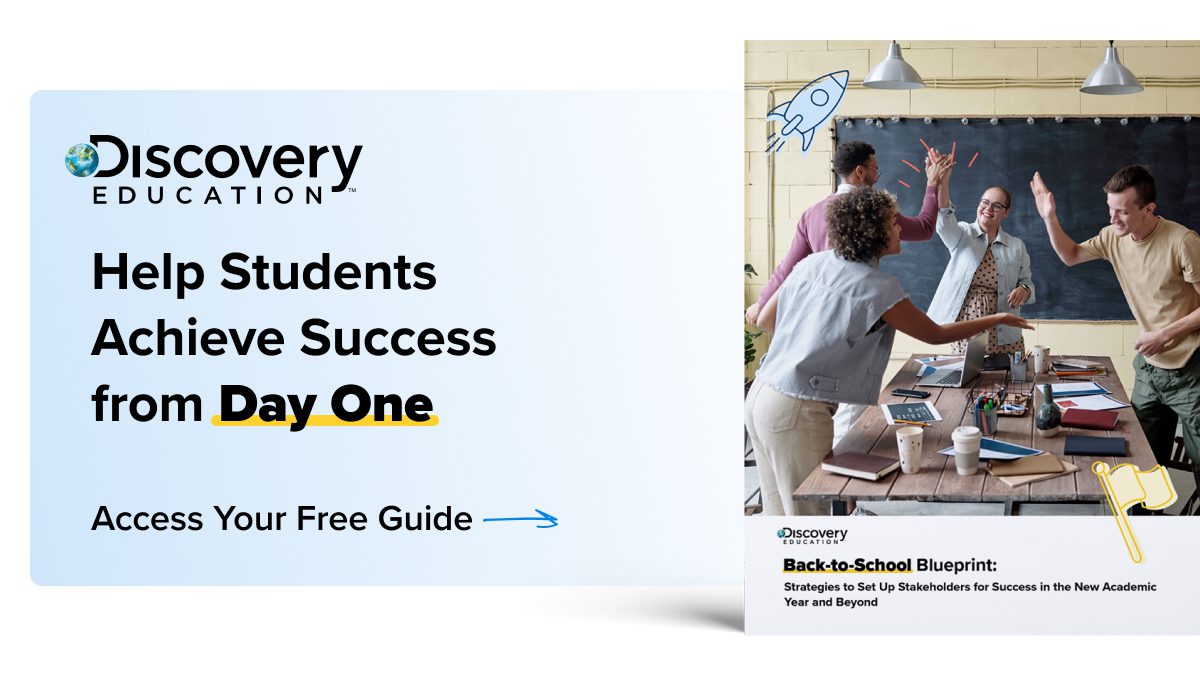
Back-to-School Blueprint
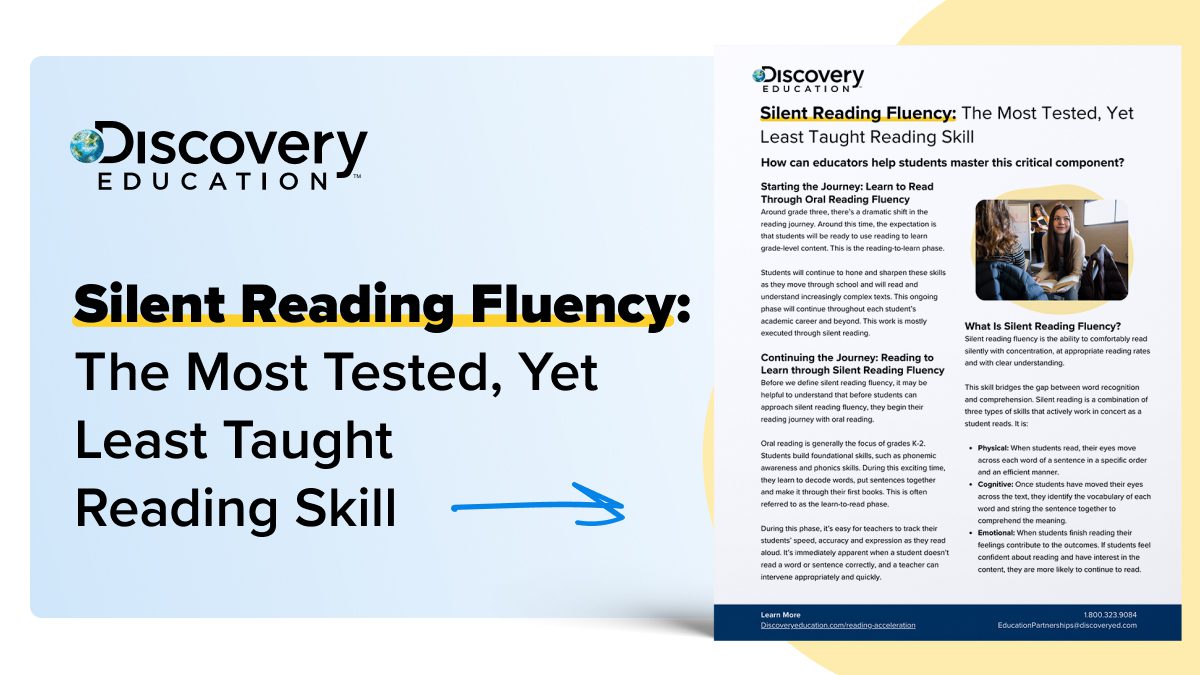
Silent Reading Fluency Guide
Remediation, Intervention, and Acceleration Crosswalk
A Guide to Maximizing Instructional Hours
A Practical Guide for Cultivating Student Curiosity
Summer Success Blueprint
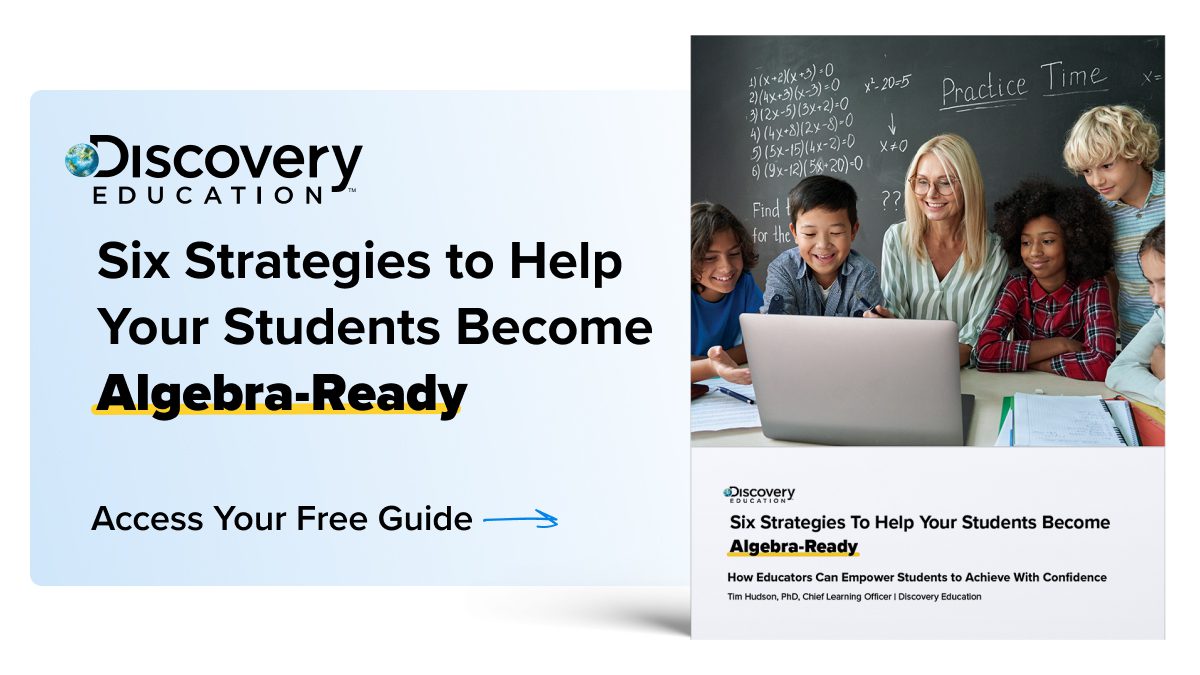
6 Strategies to Help Your Students Become Algebra-Ready
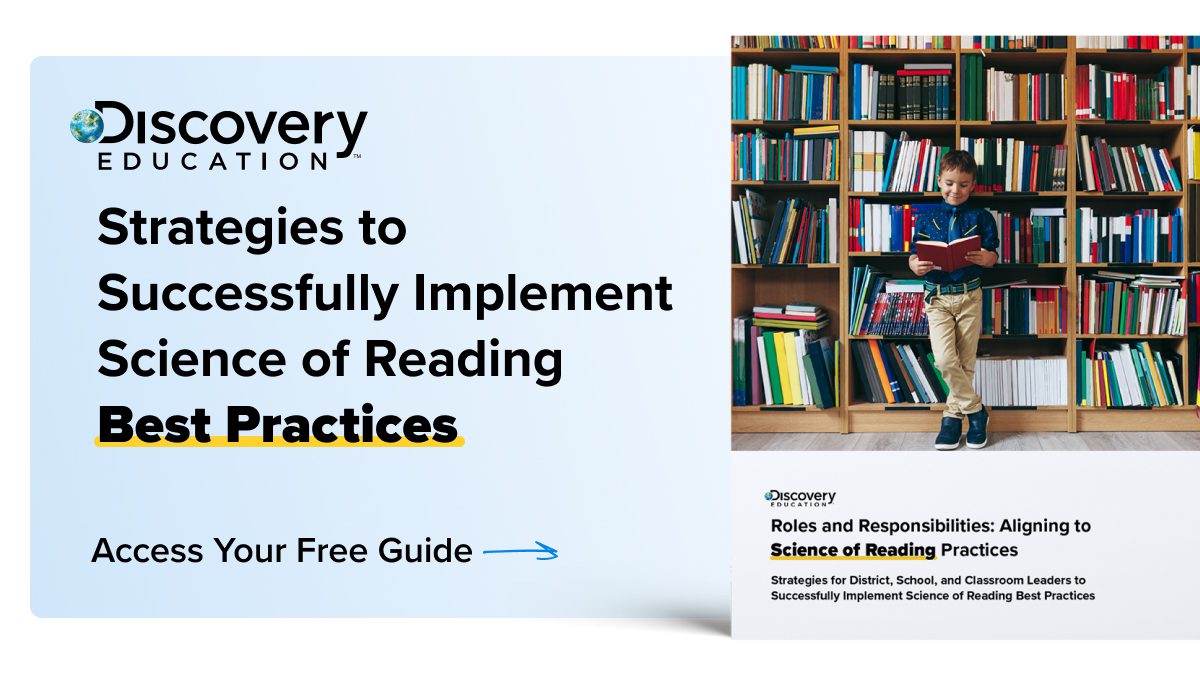
Roles and Responsibilities: Aligning to Science of Reading Practices
Let’s Chat about a Partnership with Discovery Education
Learn how partnering with us can bring solutions to your school or district.