Key takeaways
-
Career exploration for students should begin before high school and continue as students learn more about themselves and their options.
-
Career exploration is not about asking students to choose one career too early. It is about helping them understand what is possible.
-
Schools can support career exploration by connecting classroom learning to interests, skills, future pathways, and real-world experiences.

As educators, we often ask our students what they want to be when they grow up long before they have enough information to fully answer the question.
Some students may have a clear idea early on. Others may change their minds many times. Many students are only familiar with the careers they have seen in their own family or in their everyday life. That does not mean they lack ambition or drive; rather, more often it means they have not yet had enough career exposure to understand the range of options available to them.
That is why career exploration is so important for students.
Schools do not need to push students into one path too soon. They do need to help students learn about different kinds of work, the skills those careers require, and how school connects to life after graduation. This work becomes more important as students move through grade levels and start making decisions about courses, programs, internships, college, technical training, military service, and employment.
Career exploration should not feel separate from the rest of school. The goal should be to help students see the connection between what they are learning now and what they may want to do later on.
A strong career readiness program can support that type of work by helping students explore careers, understand essential workplace skills, and connect classroom learning to future possibilities.
What Is Career Exploration for Students?
Career exploration for students is the process of helping students learn about careers, understand their own interests and strengths, and begin making meaningful connections between school and future opportunities.
It is not the same as choosing a career.
That distinction is important. Career exploration should not lock students into one decision. A fifth grader does not need to know exactly what job they want when they are 25. A middle school student does not need to have a full career plan. Even high school students may still be figuring out what they enjoy, what they are good at, and what they plan to pursue in their future.
Career exploration gives students information and experiences so they can make better decisions over time.
For younger students, that may mean learning about different jobs in their community, talking about how people use reading, math, science, technology, and teamwork in their work, or hearing from adults with different careers.
For middle school students, career exploration often includes interest inventories, career-themed projects, field trips, and conversations about high school courses and career pathways.
For high school students, career exploration may become more specific. Students may look at career clusters, CTE options, internships, job shadowing, dual enrollment, certification programs, college majors, or military pathways.
Students should begin to understand that the choices they make in school can open doors. They should also understand that there is not only one way to build a successful future. Students may go directly to college, enroll in a trade school, work, join the military, attend, or move through more than one of those options over time.
Career exploration helps students see all of those options more clearly.
Why Is Career Exploration Important?
Career exploration is important because students cannot prepare for opportunities they do not know exist.
In many schools, students have different levels of exposure to careers. Some students have family members who talk with them about college, jobs, training, and professional options. Others may not have that same opportunity. Schools can address this by making career exploration part of the student experience.
When students are only exposed to a narrow set of careers, they may limit what they believe is possible. Students may not know about fields that match their interests, what different careers require, or how technology is changing the skills needed for future work.
Career exploration gives students more information before they have to make bigger decisions.
It also helps students understand why school matters. A student may not always see the value of a writing assignment, science project, or presentation until they understand how those same skills are used in specific careers they find interesting.
That does not mean every lesson needs to become a career lesson. It means students should have regular opportunities to see how the skills they are learning can be used beyond the classroom.
Career exploration also supports motivation. Students are more likely to invest in school when they can connect learning to something that matters to them. That connection may be a specific career. It may also be a broader goal, such as helping people, solving problems, creating something, working outdoors, using technology, or building independence.
Career exploration gives students time to think, ask questions, and adjust.
When Should Career Exploration Begin?
Career exploration should begin earlier than many schools have traditionally started it.
That does not mean elementary students should be asked to choose their future career. It means schools should begin building career awareness early. Young students are naturally curious. They ask questions about what people do, how things work, and why certain jobs exist. Schools can build on that curiosity in simple ways.
In elementary school, career exploration can be age-appropriate and fun. Students can learn about local businesses, science careers, creative careers, public service roles, and the different kinds of work adults do. Teachers can help students see how skills taught in the classroom are used beyond school. Students can read about people in different fields, watch short career videos, or talk about how different jobs help the community they live in.
In middle school, career exploration should become more intentional. This is the perfect time for students to learn more about their interests, strengths, and preferred learning styles. They can also begin exploring high school course options, CTE programs, and the skills needed in different fields.
In high school, career exploration should become more focused on helping students plan for life after graduation. Students need help understanding what different paths require, which courses matter most, what programs are available, what employers may expect, and how college, technical training, and work-based learning can fit together.
This type of work should happen over their high school career. If career exploration only happens during senior year, students may have already missed opportunities. They may not have taken the right courses, explored available programs, or understood what a certain pathway requires. Starting earlier gives students more time to learn and make better decisions.
How Can K-12 Schools Play a Part in Career Exploration?
K-12 schools play an important role because they see students over many years. That gives schools the chance to build career exploration gradually instead of treating it as a one-time event.
Career exploration is most effective when it is a regular part of a student’s school experience, not an activity or assembly that happens once a year. Career days and guest speakers are useful and important, but they are not enough. Students need consistent exposure to a wide range of careers, skills, and pathways.
Schools can start by helping teachers make natural connections between classroom learning and real-world use. Reading, writing, math, science, technology, communication, and problem-solving are not just skills used in school; they are used every day in the workplace. When teachers point that out, students begin to see learning differently.
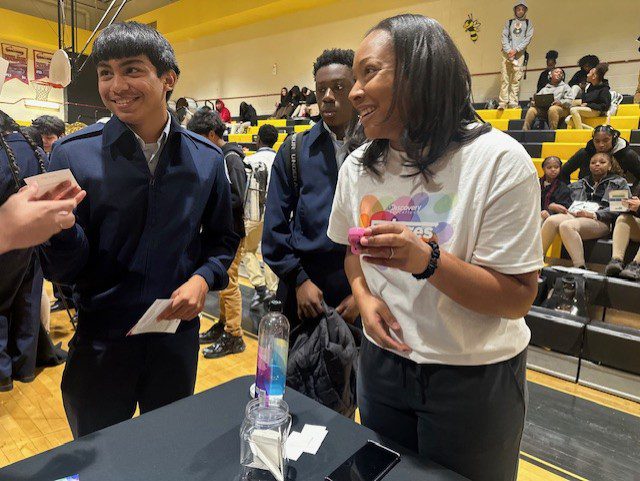
Schools can also create more opportunities for students to hear from people in different fields. That may include guest speakers, virtual career talks, local employers, alumni, family members, or community partners. Students benefit when they hear how people found their path, what skills they use, and what they wish they had known earlier.
Career exploration should also include hands-on learning. Projects, simulations, field trips, job shadowing, internships, and service learning can help students understand work in a more concrete way. These experiences do not need to be complicated to be useful. Even a short classroom project connected to a real-world problem can help students think differently about a career field.
Schools should also remind students that it is okay if their plans change as they learn more about themselves and their options. Career exploration is not about making one final decision; it is about helping students learn enough to take the next step with more confidence.
That is especially important now as the world of work continues to change. New careers are emerging. Technology is changing existing jobs. Students need academic skills, but they also need adaptability, communication, problem-solving, and the ability to keep learning.
K-12 schools can help students build those skills while also helping them understand where those skills may lead.
Helping Students See What Is Possible
Career exploration should give students a wider view of their future. It should help them see that school is not just about completing assignments or earning grades, but also about building the knowledge, habits, skills, and confidence they will need after graduation.
The best career exploration is not about telling students what to become; it is about helping them see more options, ask better questions, and understand the steps they may need to take.
Students should leave school with a stronger sense of what is possible and a better understanding of how their learning connects to future opportunities. They may not have every answer, and that is okay; but they should have enough information, support, and experience to keep moving forward.
That is the real value of career exploration for students. It helps them connect who they are now with who they may become next.