Key takeaways
-
Seventh-grade social studies helps students explore world history, geography, government, economics, and cultural interactions through the medieval period and beyond
-
Primary sources, project-based learning, discussions, and hands-on activities help students connect historical events to the modern world
-
Lessons align with 7th-grade social studies standards and strengthen literacy, communication, collaboration, and analytical thinking skills
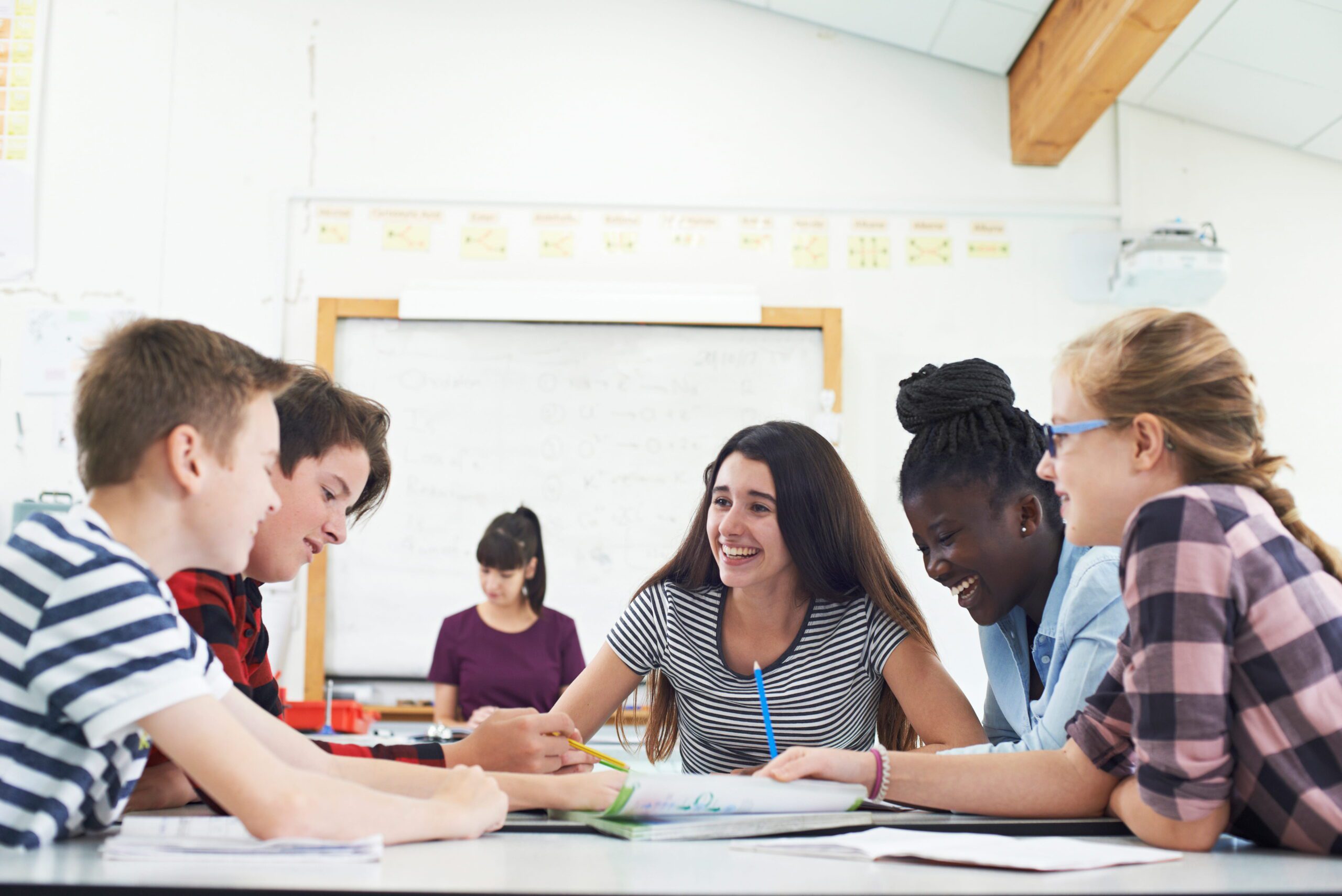
Why do we study the past? How can the rise and fall of empires such as the Byzantine Empire and the Ming Dynasty teach students about the world today? Seventh-grade social studies invites students to explore these questions and more, diving deep into world history, geography, economics, government, and cultural exchange.
Learning about social studies helps us understand the world. Through these lessons, students learn about the roles they play in society and develop the skills to be active, informed citizens. As students learn about the valuable contributions men and women have made throughout history, they begin to see progression and continuity between the past and the present.
What are the 7th-Grade Social Studies Standards?
Seventh-grade social studies standards outline the knowledge and skills students are expected to develop throughout the academic year. While standards vary by state and district, they typically focus on world history and geography, economics, government and civic participation, and cultural interactions across civilizations.
Students may explore topics such as the Middle Ages, the Islamic Golden Age, African kingdoms, Asian civilizations, European exploration, and the early Renaissance. Standards guide instruction so that students build a strong foundation of world history knowledge before moving into high school.
Inquiry and analytical thinking are important components of the 7th-grade social studies standards. Students interpret maps, timelines, primary sources, and data to draw conclusions about historical events and patterns. These skills develop the critical thinking needed to evaluate information and form evidence-based arguments.
Literacy and communication skills are strengthened throughout the 7th-grade social studies journey as students read informational texts, analyze documents, write arguments, and present their ideas. These transferable skills support success across all subject areas.
The standards are used to guide instruction. The 7th-grade social studies standards framework provides a structure for students to build knowledge progressively, with each unit connecting to and expanding on what came before.
How to Teach 7th-Grade Social Studies
Teaching 7th-grade social studies should include the investigation of historical events, cultures, governments, and global interactions in ways that feel relevant and engaging to students.
Inquiry-based learning encourages students to ask meaningful questions. These questions will guide an exploration of historical events and civilizations that develops critical thinking and deepens understanding.
Maps, timelines, political cartoons, photographs, infographics, and historical artifacts are visual ways to capture students attention and build context. Visual tools help students process complex information, understand geographic relationships, and see how events unfolded over time.
Primary sources are another way to engage students with the content. Reviewing historical speeches, religious writings, trade records, and artwork gives students direct access to history. Using primary sources alongside modern technology helps students develop the analytical skills to evaluate evidence and understand multiple perspectives.
Hands-on activities will help bring social studies concepts to life. Students might use modeling clay to create medieval castle models, draw maps of trade routes, or build timelines of key historical events. These tactile experiences reinforce learning and make abstract concepts more memorable.
Connecting social studies to current events will also help students see how history and geography are relevant to the modern world. Drawing parallels between historical conflicts and contemporary issues helps students develop civic awareness and a sense of their own role in shaping the future.
Project-based learning encourages students to apply research skills, creativity, collaboration, and historical knowledge in meaningful ways. Examples of project-based learning in 7th-grade social studies include:
- Researching the Silk Road and its trade routes to create travel brochures
- Designing medieval newspapers to report on key events such as the Crusades or the Black Death
- Researching Mansa Musa, Joan of Arc, or other historic figures and presenting how their leadership contributions shaped society
- Creating museum exhibits using artifacts and information from ancient civilizations
- Writing and recording podcasts about important historical conflicts, discoveries, or cultural changes
- Creating digital timelines using online resources to depict key turning points in world history
- Participating in mock trials or debates related to historical decisions and leadership
- Creating maps that trace exploration routes, trade networks, or the spread of religions and ideas
No social studies curriculum would be complete without the use of technology and multimedia resources. Interactive maps, virtual field trips, and digital primary source collections bring history to life in ways that textbooks alone cannot. A comprehensive social studies curriculum provides teachers with the tools and resources needed to deliver engaging, standards-aligned instruction every day.
Explore K-12 Social Studies Resources
See how Discovery Education can support social studies.
10 7th-Grade Social Studies Questions (with Answers)
These sample 7th-grade social studies questions will help students review concepts in world history, government, geography, leadership, and culture. Use them for class discussion, formative assessment, or exam preparation.
1. Why was the Silk Road so important?
Answer: The Silk Road provided a connected route for people from Asia, Europe, and Africa to trade goods and ideas. As a result, religions, languages, technologies, and cultural practices spread across civilizations, shaping the ancient world in lasting ways.
2. What was feudalism?
Answer: Feudalism structured society around land ownership. It was a social system in which monarchs or lords granted land to individuals in exchange for military service and loyalty. Feudalism shaped the political and economic structure of medieval Europe.
3. How did geography influence civilizations?
Answer: Geography affected where people chose to settle, as well as trade routes, farming opportunities, and protection from other groups. Rivers, mountains, and coastlines shaped the rise and fall of civilizations around the world.
4. Why was the Islamic Golden Age important?
Answer: The Islamic Golden Age led to many advancements in math, science, medicine, astronomy, literature, and architecture. Scholars preserved and expanded ancient knowledge, influencing later developments in Europe and beyond.
5. Why were religious beliefs important in medieval societies?
Answer: Religious beliefs influenced laws, education, leadership, traditions, architecture, and daily life in many medieval societies. Religion provided a shared framework for understanding the world and organizing communities.
6. Why did trade help civilizations grow?
Answer: Trade allowed civilizations to exchange goods, ideas, technologies, and cultural practices. This strengthened economies and built connections between distant peoples, helping civilizations grow more prosperous and diverse.
7. Why is cultural understanding important?
Answer: Cultural understanding promotes respect, cooperation, and appreciation for people who have different perspectives and traditions. It helps students become more informed and empathetic global citizens.
8. How did cultural exchange change civilizations?
Answer: Cultural exchange allowed civilizations to share ideas, technologies, religions, languages, and inventions. Societies influenced by contact with others often developed new practices, beliefs, and innovations that shaped their growth.
9. How did emperors and kings keep control during the Middle Ages?
Answer: Emperors and kings kept control during the Middle Ages using alliances, laws, religion, economic power, and military strength. Many rulers also relied on feudal loyalty and the support of the church to maintain authority.
10. Why were castles important during the Middle Ages?
Answer: Castles protected communities from invasions and attacks. They also served as homes for kings, nobles, and military leaders. Castles were symbols of power and authority that helped rulers control the surrounding land and people.
Teaching 7th-grade social studies gives students many opportunities to explore world history. Lessons on geography, economics, government, and culture help students develop a well-rounded understanding of how societies have developed over time and how those developments shape the world we live in today.
When students engage with meaningful, inquiry-based social studies instruction, they build the analytical thinking, communication, and civic skills they need to succeed as informed and engaged members of their communities.
Discovery Education offers inquiry-based, standards-aligned social studies programs to build deep conceptual understanding, critical thinking, and literacy. Their programs include Social Studies Essentials for ready-to-teach K–5 lessons that support consistent Tier 1 routines and include content aligned to the C3 Framework, Social Studies Techbook for grades 6–8 project-based learning that includes primary source analysis, and Discovery Education Experience for supplemental K–12 instructional resources that support high-quality Tier 1 social studies teaching and career readiness.
Find other grades
Whether you’re planning your year, mapping out units, or looking for grade-specific social studies resources, we’ve got you covered.
Select your grade level below to access targeted social studies guides, core objectives, and teaching tools.